Six ways AI and machine learning are redefining HR
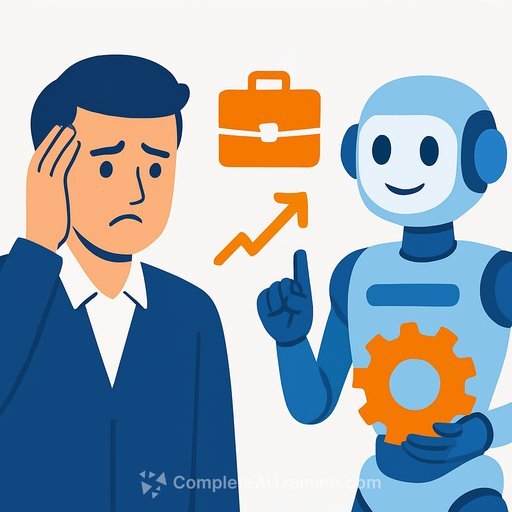
HR has always been about people. The difference now is scale. AI and machine learning help teams move faster, reduce errors, and make choices with data rather than gut feel.
Below are six practical shifts you can put to work across talent, payroll, analytics, and employee experience-along with a short plan to get started.
1) AI takes HR beyond admin
AI-driven tools now support the full HR cycle-from sourcing to performance management-so your team can focus on strategy instead of busywork.
- AI chatbots answer HR questions on leave, policies, and payroll basics.
- Recruiting models screen resumes for skills and likely fit, cutting time-to-shortlist.
- Predictive dashboards surface attrition risks, skill gaps, and training demand.
The outcome: faster hiring, fewer repetitive tickets, and more time for coaching managers and improving culture.
2) Machine learning in payroll
Payroll carries risk-tax changes, time data, and benefits can misalign. ML models learn from historical runs to spot issues before they hit pay slips.
- Flags duplicate payments, missed overtime, and out-of-range deductions.
- Alerts you to compliance drift and unusual variance by location or cost center.
- Improves with each cycle, reducing manual audits and rework.
Think of it as a second set of eyes that never gets tired.
3) Smarter decision-making with HR analytics
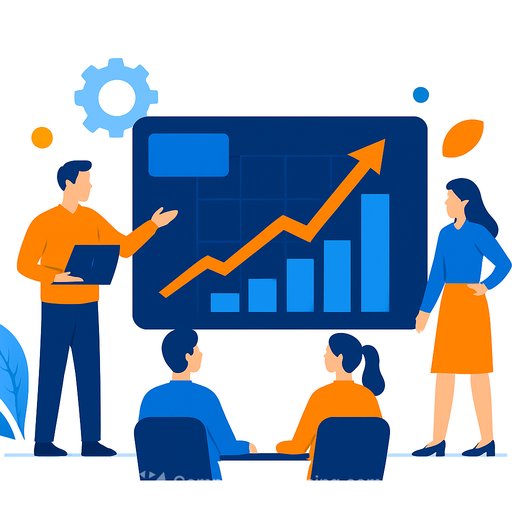
AI turns HR data into timely insights you can act on-not next quarter, but this week.
- Track productivity and engagement signals in near real-time.
- Analyze absenteeism and turnover trends by team, role, or site.
- Forecast hiring needs, labor costs, and internal mobility opportunities.
- Pinpoint skills to build versus roles to fill.
With ML, analytics moves from "what happened" to "what is likely next," so you can plan before a problem shows up.
4) Enhancing the employee experience
Employees expect work tools that feel as intuitive as consumer apps. AI helps you deliver that without adding headcount.
- Self-service chatbots for payslips, leave balances, and policy FAQs.
- Personalized learning paths that match career goals and project demands.
- Sentiment analysis to spot issues early and route them to the right owner.
The goal isn't more technology; it's fewer friction points and better conversations.
5) AI as a business partner
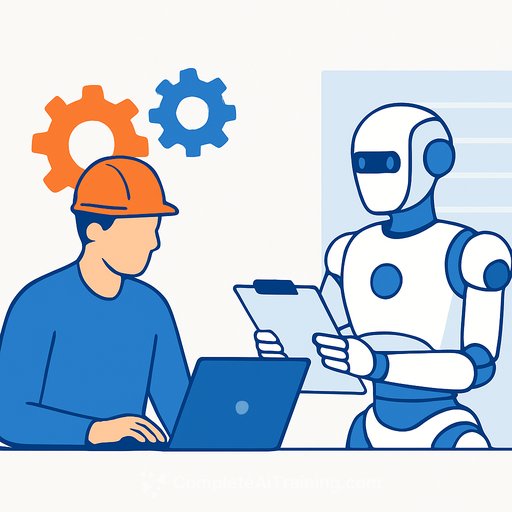
Automation frees HR from the queue of tickets and approvals. That opens space for higher-value work: workforce strategy, leadership development, and culture.
Treat AI like a portfolio. Pick use cases with clear ROI-payroll anomaly detection, candidate screening, internal mobility recommendations-and measure impact on cost, speed, and experience.
6) Balance automation with human judgment
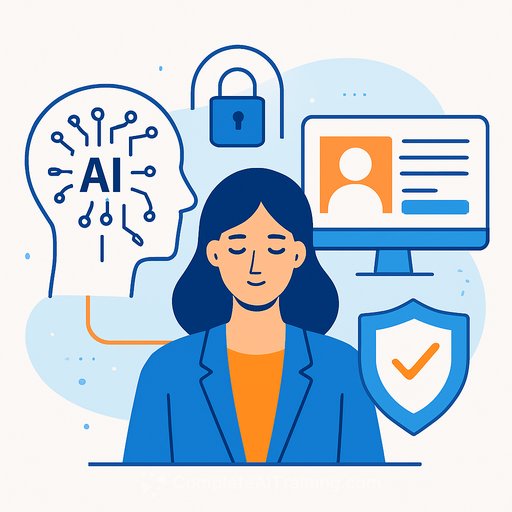
AI can show patterns. People set standards. Keep fairness, transparency, and consent at the center of every deployment.
- Audit models for bias and explain decisions in plain language.
- Involve legal and compliance early, especially in hiring and performance.
- Document data sources, approvals, and outcomes.
Useful references: the EEOC's guidance on AI in employment decisions (EEOC AI) and the NIST AI Risk Management Framework (NIST AI RMF).
What's next
Expect tighter integration between HRIS, ATS, payroll, and analytics-plus more "copilot" capabilities inside everyday tools. The teams that pull ahead will set clear policies, clean their data, and upskill HR on AI fundamentals.
Quick start playbook for HR
- Pick one high-friction use case (e.g., payroll variance checks or CV screening) and pilot for 60-90 days.
- Set guardrails: data access, human-in-the-loop approvals, and bias checks.
- Create a simple dashboard for ROI: time saved, errors avoided, and employee satisfaction.
- Train HRBPs and recruiters on prompts, analytics basics, and model limits.
- Scale what works; archive what doesn't. Keep governance light but explicit.
If you're upskilling your team, explore focused AI courses by job function here: Complete AI Training - Courses by Job.
Your membership also unlocks: