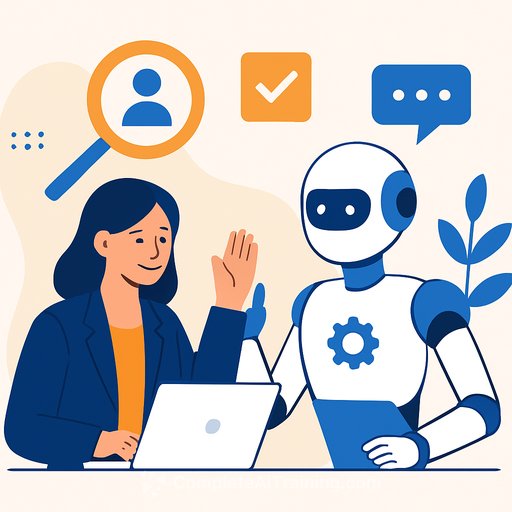
From tool-mate to teammate: How HR leads the rise of Agentic AI
02 Dec 2025
To the point: AI is joining your teams as a colleague, not just a tool. Agentic AI takes initiative, learns on the job, and helps move work forward. HR sits at the center of whether this helps or hurts.
- Onboard deliberately: Treat each agent like a new hire with scope, goals, and coaching.
- Lead with HR: Use HR's strengths in training, culture, and governance to guide adoption.
- Focus on integration: Real value shows up when people and agents work side by side.
Meet Eli: your new AI teammate
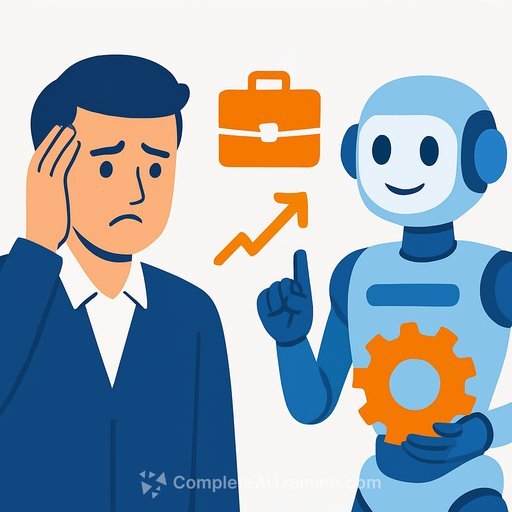
It's 9:00. Eli has screened applicants, nudged a manager about overdue feedback, and flagged a potential disengagement risk. Eli isn't human. Eli is your new AI colleague - and it needs onboarding just like a top hire.
Six in ten workers already view AI as a co-worker. This isn't theory anymore. HR's question now is simple: are we ready to manage, train, and integrate AI teammates so they actually help people do better work?
What Agentic AI is - and why it matters to HR
Traditional AI waits for prompts. Agentic AI takes action inside agreed boundaries. It prioritizes, executes tasks, and surfaces issues before they turn into problems.
Think of it as the teammate who raises a flag and proposes a next step. Onboard it, define scope, and set expectations. Done well, it becomes a reliable partner for operations, insights, and risk alerts.
Here's the catch: the agent is only as good as the data, workflows, and rules you give it. Clean inputs raise the ceiling. Biased or incomplete inputs create confident mistakes. That's why governance, clear access rules, and audit trails aren't optional.
Pro tip: Before rollout, stress-test data quality, map failure modes, and run dry-runs with real workflows. You'll prevent headaches and build trust.
From hire to retire: how to onboard an AI teammate
Start by defining the role. Is Eli a recruiting partner, finance analyst, or policy concierge? Pick one. Focus is how you earn early wins.
Then select the right solution, connect the tech, and train with real tasks. Put Eli into day-to-day flows, review its actions, and fine-tune based on feedback. With steady oversight, the impact compounds: fewer backlogs, faster cycles, and better decisions.
Where the value shows up
Operational efficiency: In support services, Eli answers policy questions, processes reimbursements, and updates records in real time. In operations, it tracks suppliers and flags delays. In finance, it runs checks, spots anomalies, and drafts trend summaries before issues escalate.
Strategic enablement: In HR, Eli accelerates pre-screening, builds tailored onboarding plans, and monitors engagement signals so your team can focus on skills, culture, and leadership pipelines. In marketing, it analyzes trends, drafts assets, and A/B tests to give creatives more space for original thinking.
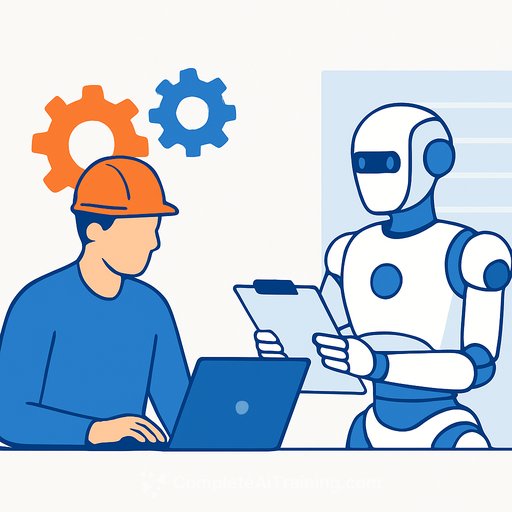
HR as the trainer: Use HR's core strengths - onboarding, learning, governance - to "manage" agents across the enterprise. Assign ownership, set goals, and run periodic reviews. Treat Eli like internal talent and value and trust will follow.
Four myths to drop
- Myth: AI knows everything
Truth: It only knows what you feed it and can make confident mistakes.
Activation: Clean your data and define governance before deployment. - Myth: It replaces HR
Truth: It takes routine work off the table so HR can focus on skills, culture, and leadership.
Activation: Re-set HR's goals around coaching, capability building, and high-value impact. - Myth: AI doesn't need training
Truth: It needs ongoing input, feedback, and context like any junior employee.
Activation: Upskill teams in prompt design, data fluency, and ethical review. - Myth: AI is plug-and-play
Truth: Without integration, governance, and trust, it stalls at pilot stage.
Activation: Invest in cross-functional change and stakeholder alignment from day one.
Equip people first - and set guardrails
Most employees haven't been trained on generative AI, even as work changes around them. Give everyone a baseline: how to prompt, how to question outputs, and where humans stay in the loop.
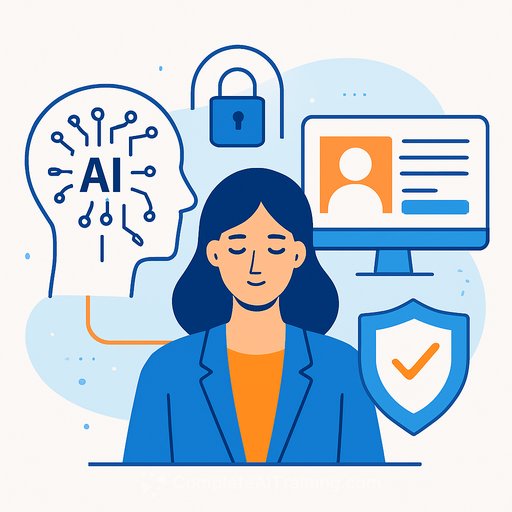
HR should own the ethical layer: data access, approvals, red lines, and accountability. Risks like bias, opacity, and weak oversight are well known and preventable with the right structures.
For context on responsible use, see this overview of AI principles from the OECD: OECD AI Principles. For evidence on how organizations create real value with AI, review this research: MIT Sloan Management Review.
Success trigger: Build fluency in three areas: prompt design, data literacy, and responsible oversight. Also confirm these checkpoints:
- Bias detection and remediation
- Explainability of agent decisions and actions
- Clear escalation paths and human approval gates
Scale beyond pilots
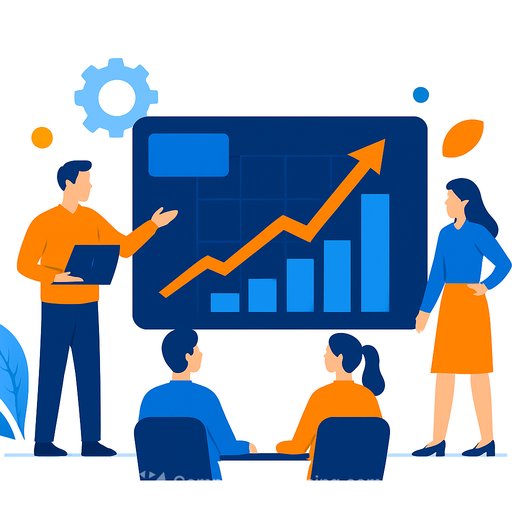
Few organizations create significant financial value from AI because they stop at isolated tests. The shift happens when HR, IT, legal, and business leaders align on one question: what kind of collaborator do we want this agent to be?
That alignment turns governance into design. It pushes talent strategy to include reskilling for AI fluency. And it adapts operating models so agents are treated as contributors across teams.
Adoption is driven by people, not roadmaps. Find internal champions who are curious, credible, and willing to share outcomes. Their stories move the middle.
In Luxembourg, adoption momentum is strong, with nearly a quarter of companies already using AI. The opportunity is here - move in measured steps that build confidence and compounding results.
Success trigger: Don't wait for perfect. Start small, track outcomes, and pair tech expertise with change expertise. That's how scale sticks.
Conclusion
Agentic AI isn't an upgrade in automation. It's the next generation of talent - fast and capable, but dependent on how we train, govern, and integrate it.
The challenge isn't buying new tools; it's building the structures that make AI good teammates. Give Eli goals, guardrails, and feedback loops. Recognize progress. Then grow the scope where it clearly helps your people do their best work.
Three steps in the next 30 days
- 1) Pick one pilot workflow: Choose a low-risk HR process (interview scheduling, feedback reminders, policy Q&A). Keep it small, measurable, and people-focused.
- 2) Build capability, fast: Run a 60-minute "AI 101" for HR and managers. Cover prompting basics, data literacy, and ethical guardrails. If you want structured options, explore these resources: AI courses by job and prompt courses.
- 3) Start the conversation: Ask, "If AI could take one task off your plate tomorrow, what would it be?" Use the answers to prioritize use cases and build buy-in.
The future of talent is human - and AI. HR is the function that makes the partnership work.
Your membership also unlocks: