SBA Failed to Report AI Use for Six Years, GAO Finds
The Small Business Administration did not publicly disclose how it uses artificial intelligence until March 2026, despite federal requirements to do so since 2020, according to a Government Accountability Office report released Monday. The six-year gap has drawn congressional scrutiny and raised questions about transparency in federal AI deployment.
What SBA Said About the Delay
Between 2021 and 2023, SBA officials claimed the agency had no reportable AI use cases. In 2024, the agency maintained an internal inventory but did not publish it, citing insufficient documentation and staff turnover. As of April 2026, SBA said its AI policies remain under revision and reporting processes are still being developed.
The delay caught congressional attention in 2024 when Sen. Joni Ernst, R-Iowa, sent a letter questioning why SBA had not reported AI use cases for fraud detection in loan programs and pandemic relief screening-work the agency had publicly acknowledged.
What GAO Recommended
The watchdog agency called on SBA to establish policies and procedures to ensure consistent public reporting of AI inventories. SBA must also define roles and responsibilities for reporting and document how it implements these policies and makes key decisions.
SBA agreed with the recommendations.
Potential Uses and Risks
GAO identified several ways AI could support SBA operations: conducting market research, reviewing proposals, analyzing data, drafting reports, and detecting fraud. The agency oversees Small and Disadvantaged Business Utilization offices and the Small Business Innovation Research program across government.
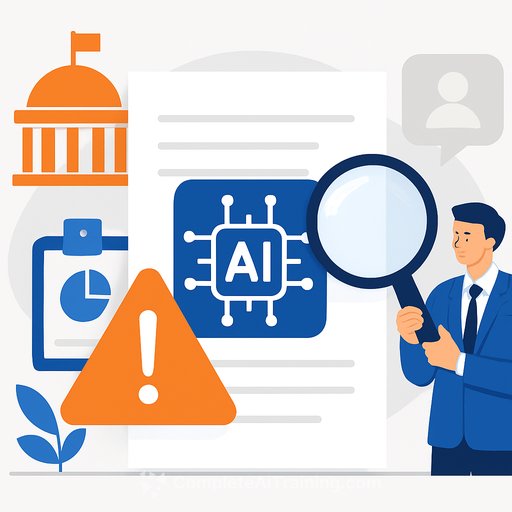
The report warned that AI systems can produce inaccurate outputs, create data privacy and security vulnerabilities, and generate biased results that affect decision-making. Agencies also face implementation obstacles, including limited technical expertise and complex approval processes for new technologies.
For government professionals working on AI for Government initiatives, understanding these compliance requirements and risk factors is essential as agencies expand their use of the technology.
Your membership also unlocks: