
AI news ·
GM cuts 600 IT jobs to shift workforce toward AI-focused skills
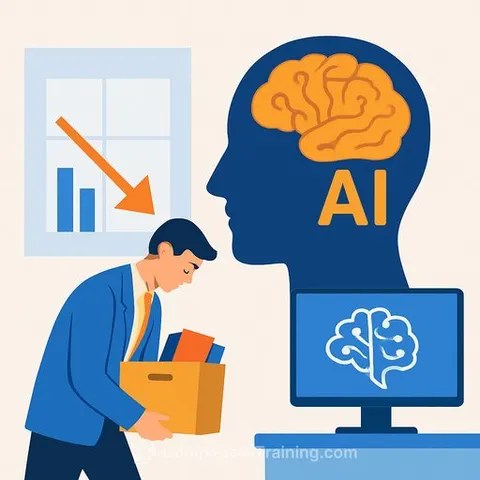
GM laid off roughly 600 IT workers - over 10% of its IT staff - and is replacing those roles with AI-focused positions like model development and data engineering. The company has made similar cuts since 2024 as it rebuilds around AI-first skills.
GM cuts 600 IT jobs as it rebuilds workforce around AI skills
General Motors laid off more than 10% of its IT department-roughly 600 salaried employees-as part of a deliberate shift toward AI-focused expertise. The automaker said the restructuring positions the company for the future, though it continues to hire for different roles than those it eliminated.
GM is actively recruiting for positions that didn't exist in its IT organization a year ago: AI-native development, data engineering, cloud-based systems, agent and model development, prompt engineering, and AI workflow design. The company is seeking people who can build AI systems from scratch-designing architectures, training models, and building data pipelines-rather than those who simply apply existing AI tools.
This marks the latest in a series of white-collar cuts across GM. The company cut around 1,000 software jobs in August 2024 and has reduced staff in multiple departments over the past 18 months as it reallocates resources to AI and other priority areas.
Leadership overhaul signals deeper restructuring
GM's software division underwent significant leadership changes starting in May 2025, when Sterling Anderson, co-founder of autonomous trucking startup Aurora, became chief product officer. In November, several senior executives departed, including Baris Cetinok, Dave Richardson, and Barak Turovsky, as the company consolidated fragmented technology operations.
Since then, GM has expanded its AI leadership. It hired Behrad Toghi from Apple as AI lead in October and appointed Rashed Haq as vice president of autonomous vehicles. Haq previously worked at Cruise, GM's former self-driving subsidiary that shut down.
Broader corporate pattern emerging
GM's approach reflects a wider shift in how large companies adopt AI. Rather than layering AI tools onto existing teams, enterprises are rebuilding workforces around AI-first capabilities. The company's focus on agent development, model engineering, and AI-native workflows shows where corporate demand is increasingly concentrated.
For IT professionals, the message is clear: skills in traditional infrastructure, legacy systems, or productivity-focused AI tools face pressure. Demand is moving toward roles that require understanding how to design and train AI systems at scale. AI learning paths for software developers and training in generative AI and LLM development address the exact skill gaps GM is now trying to fill.