
AI news ·
Google and UNICEF launch AI education partnership targeting Brazil, India, Pakistan and Kenya
Google and UNICEF announced a partnership on May 20 to bring AI learning tools to Brazil, India, Pakistan, and Kenya. The initiative covers literacy, numeracy, and teacher training, with annual reports tracking progress.
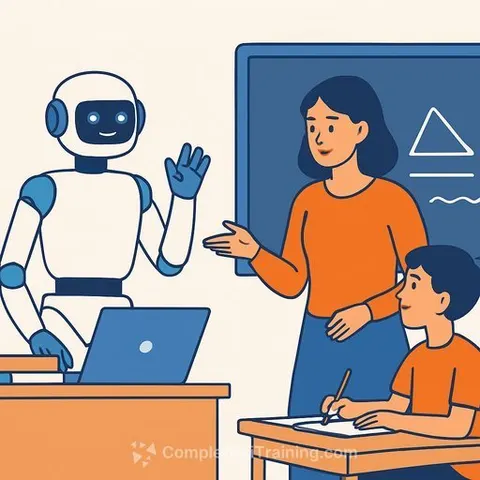
Google and UNICEF partner on AI learning tools across four countries
Google and UNICEF announced a partnership on May 20 to deploy AI-supported education programmes in Brazil, India, Pakistan, and Kenya. The initiative, funded through Google.org, will focus on literacy, numeracy, teacher support, and digital access in regions where infrastructure limits traditional learning options.
The organisations will integrate Google AI tools-including Gemini, NotebookLM, and ReadAlong-into UNICEF's existing education programmes. The work includes teacher training, technology deployment, and classroom integration of AI-supported learning tools.
What educators need to know
The partnership targets three areas directly relevant to your work:
- Digital skills and AI literacy for students and teachers
- Teacher support through training and AI tools
- Educational access in areas facing infrastructure constraints
UNICEF will publish annual reports tracking implementation and scalability across all four regions.
Why this matters for education professionals
Governments and international organisations are treating AI as a core component of future education systems. These partnerships influence how digital literacy gets taught, how educational access expands, and how students prepare for AI-enabled workplaces.
For educators, this signals growing investment in AI for education and raises questions about classroom integration. The focus on teacher training suggests AI tools will require professional development, not just student exposure.
The emphasis on regions with limited infrastructure also indicates that AI deployment in education is becoming a development priority, not just an affluent-country trend.