
AI news ·
Healthcare organizations face increased regulatory scrutiny over AI use
Federal enforcers are applying fraud laws to AI-driven healthcare billing errors. Providers lacking human oversight face direct False Claims Act liability.
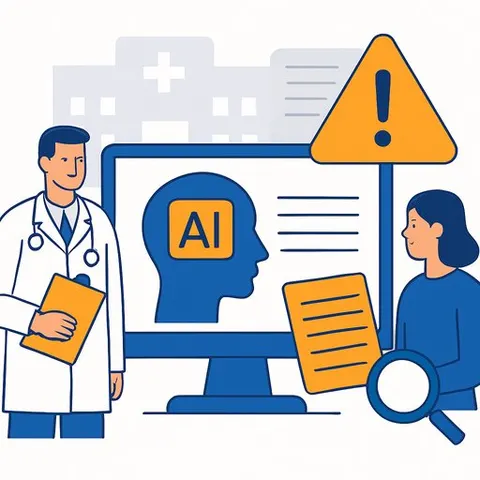
Healthcare organizations using AI to automate coding, utilization management, and reimbursement decisions must prepare for sharper regulatory scrutiny as state and federal enforcers apply fraud and abuse laws to automated systems. The Department of Justice has indicated it may use the False Claims Act to target AI-driven claims errors, while Texas and California have already passed laws restricting AI in medical necessity determinations.
The regulatory patchwork leaves many organizations without a single federal AI law, yet enforcement activity is increasing. Understanding these fragmented rules is now a compliance necessity for anyone working with AI for Healthcare. Several states have imposed notice and consent requirements for AI-powered recording tools, and others are directly regulating AI in clinical interactions.
When automated decisions replace human judgment
When claim determinations run entirely on AI and human oversight is absent, organizations risk liability for systemic errors. AI-generated transcriptions that miss key details can lead to incorrect coding, billing, and utilization review. The AI Learning Path for Medical Billers highlights how such errors can cascade into overpayment issues and False Claims Act exposure.
State regulators and attorneys general are examining whether AI tools embed financial incentives that produce upcoding, inappropriate denials, or obscure who is clinically responsible. Without a human in the loop, these risks multiply. AI-produced language that ends up in a patient's medical record, without proper review, can undergird inaccurate claims and trigger overpayment liability.
Federal agencies signal tougher enforcement
The Centers for Medicare & Medicaid Services, the HHS Office of Inspector General, and the Department of Justice are expected to use longstanding fraud and abuse laws to oversee AI in healthcare. Jeff Wurzburg, healthcare partner at Norton Rose Fulbright, told Healthcare IT News, "The use of AI does not shift liability away from providers or health plans submitting claims to federal healthcare programs. To the contrary, large-scale automation raises the risk of systemic errors, such as embedded upcoding, inappropriate denials or algorithmic bias toward revenue optimization-all of which are fertile ground for False Claims Act scrutiny by DOJ and oversight by CMS and the HHS-OIG."
As AI becomes more embedded in clinical and operational work, health systems also face greater HIPAA risk from opaque data use, unauthorized release of protected health information, and gaps between vendor practices and established privacy and security requirements.
Four compliance steps for healthcare organizations
- Stand up an AI governance committee. Include legal, technology, and business stakeholders. Conduct bias and fairness audits for AI-powered claim review processes and document the results.
- Make in-house counsel a central player. Treat AI as a legal and compliance matter, not just a technology project. Business associate agreements should clearly spell out breach notification procedures and other compliance obligations.
- Monitor regulatory changes at every level. The AI enforcement environment is fluid. Organizations with a national reach must track evolving state laws, federal agency enforcement activity, and executive actions.
- Clearly articulate disclosures. Courts and regulators expect transparency into automated decision-making. Public disclosures about AI activity should match actual system capabilities, especially for AI-generated claim review decisions.
Why this matters for healthcare professionals
Healthcare leaders who view AI solely as a technology or business tool will miss the escalating legal risks. The False Claims Act, state consumer protection laws, and HIPAA all apply to AI-driven processes. Integrating legal and compliance oversight from the start is the only way to avoid systemic errors that can trigger audits, penalties, and enforcement actions. The time to build that governance structure is now, before regulators force the issue.