Why Event-Enabled AI is Gaining Traction in Aviation
The aviation industry has bounced back swiftly after the pandemic, but this recovery is more than a return to normal—it’s a real test of operational resilience. Digital transformation is no longer a future goal; it’s a constant, ongoing necessity. Combining AI with Event-Driven Integration is proving crucial in managing complex, real-time aviation operations. Airlines and airports are adopting these technologies, but the key challenge lies in scaling them effectively.
AI is Delivering Real Operational Value
For years, AI in aviation was more about hype than results. That’s shifting. British Airways, after struggling with delays and IT issues, invested £100 million in modernising operations. Early signs show success: 86% of BA flights from Heathrow left on time in Q1 2025—their best performance ever. Their AI systems don’t just react; they predict. They reroute flights around weather, manage gate assignments proactively, and help staff decide the best steps when delays happen. The CEO has called these tools transformative for staff decision-making.
Virgin Atlantic takes a different but complementary path. Their AI Champion Apprenticeship programme equips non-technical employees with AI skills, helping teams across operations and finance use AI effectively. This ground-up approach ensures AI fluency isn’t limited to data experts but becomes a core skill for everyone engaged in improving passenger experience.
Real-Time Operations Need a Real-Time Platform
Smarter AI decisions depend on infrastructure that can keep up. Traditional aviation systems often rely on slow, siloed updates. Batch processing and manual workflows can’t handle the pace needed today. Event-Driven Architecture (EDA) offers a solution by enabling systems to react instantly to key events—like check-ins, baggage loading, or flight rerouting.
Consider this: legacy systems sometimes take longer to record a gate change than it takes for passengers to move between gates. That delay is unacceptable when travelers expect instant mobile updates and staff need real-time coordination. EDA enables that instant response, optimising staffing, security queues, refuelling, and maintenance. It also opens data to partners like taxi and rental car companies so they can react immediately to airport activity.
The Power of Combining AI with Event-Driven Architecture
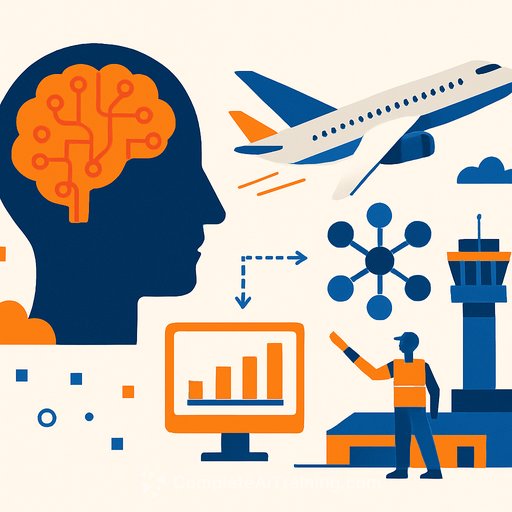
AI and EDA together create real agility. AI creates insights; EDA ensures those insights trigger immediate actions. Take carry-on luggage monitoring using AI-powered computer vision. When overhead bin space is filling, AI alerts gate staff to start checking in extra bags early. If that alert also reached passengers’ phones during boarding, delays could be minimized and satisfaction improved.
Airlines gain beyond the gate, too. Real-time fuel data helps cut emissions. Passenger flow updates improve crew scheduling. Even in-flight services like meal counts and entertainment preferences can adjust dynamically based on live data.
Bridging Legacy Systems with New Agility
Adopting AI and EDA faces hurdles. Many aviation systems are safety-critical and deeply embedded, making integration tricky. CIOs must build hybrid models that combine modern technologies with legacy systems without risking safety or compliance. This requires clear governance, observability, and data lineage to keep control over increasingly distributed systems.
Culture is equally important. Virgin Atlantic’s AI Champion programme shows how empowering staff across departments helps overcome resistance and skill gaps. Successful technology adoption isn’t just about tools; it’s about people adapting to new ways of working.
A Critical Moment for Aviation Operations
The early months of 2025 have tested digital resilience, but the real challenge lies ahead in the busy summer season. CIOs who implement a strategy combining predictive AI with event-driven integration will be better positioned to handle pressure and improve operational excellence.
For an industry long reliant on legacy systems, this is the time to act decisively. Passengers expect more than just flights—they expect seamless, timely service. With the right infrastructure and mindset, aviation can meet these expectations and deliver consistent, real-time operational performance.
Your membership also unlocks: