
AI news ·
How AI-Driven Orchestration is Redefining Banking Customer Experiences
AI transforms banking by creating connected customer experiences that build trust and simplify support. Smart orchestration, not isolated automation, enhances service from start to finish.
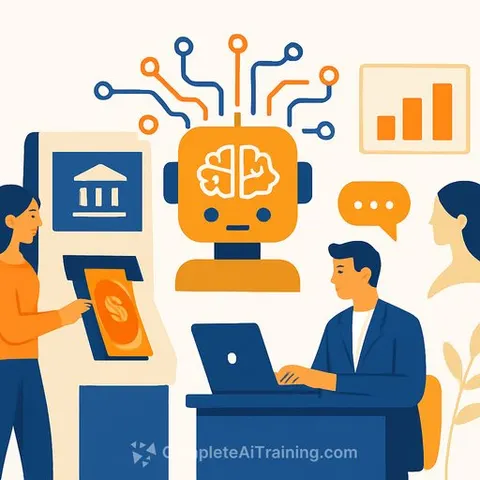
The Role of AI in Transforming Banking Customer Experience
Banks have long recognized the need to improve customer experience to meet the digital standards set by tech and retail leaders. Yet, simply adding another AI tool isn't the answer. True progress happens when AI is used to create smarter, more connected customer journeys.
Conversations with banking leaders show a clear pattern: the most effective AI applications focus on orchestration, not hype. From customer service and support to fraud detection and lending, AI is reshaping banking operations with intention.
What AI Solves for in Banking
Banking is fundamentally about trust, simplicity, and confidence. Customers want quick answers, smooth support, and personalized assistance for tasks like mortgage applications, lost cards, or password resets. However, many of these interactions remain fragmented, forcing customers to jump between bots, forms, and calls. Agents often struggle to piece together context, leading to frustration and eroded trust.
AI can address these issues—but only if it's applied to guide customers through the entire process. This means AI should hand off to humans when needed and ensure everyone has the context required to help effectively.
From Automation to Orchestration
One financial team redesigned the mortgage prequalification process by focusing on the experience rather than just the technology. AI agents gathered crucial information, routed inquiries correctly, and passed complete context to human advisors. The result? Customers felt supported, advisors were prepared, and the process accelerated.
The lesson here is clear: success comes from integrating AI as connective tissue throughout the customer journey, not as isolated automation.
AI Enhances, It Doesn’t Replace
Concerns about AI reducing jobs are common but misplaced. The best uses of AI empower agents to become “super agents” by providing real-time summaries, suggested responses, and full visibility into the customer's history.
This approach extends beyond contact centers. Teams in product, compliance, and customer experience are increasingly involved in shaping AI-driven solutions—often without coding—which helps move projects from trial to real-world use faster.
Connected Experiences Matter More Than Ever
Customers expect more than just availability—they want seamless, connected interactions. Recent demos show AI agents detecting intent better than traditional systems, steering conversations toward clear outcomes, and escalating smoothly when necessary.
For example, a customer exploring refinancing received accurate answers, had important details captured, and was handed off to a loan officer without repeating information. This kind of orchestration builds trust and improves efficiency.
From System of Record to System of Action
Legacy banking systems focus on storing data, but modern platforms must act on it in real time. AI enables proactive engagement by surfacing insights, anticipating needs, and recommending next best actions.
Whether it’s a lost card or mortgage question, banks that rethink their system architecture instead of just layering AI on top are seeing better results.
This Moment is a Window of Opportunity
Retail has already started redefining value delivery with AI, and banking is close behind. Given the higher stakes and regulations in banking, clarity and intention are vital.
This isn’t about rushing to launch another chatbot. It’s about redesigning every part of the customer journey to build trust, empathy, and outcomes that customers expect. AI is becoming essential infrastructure—but only when applied thoughtfully.
Banks that focus on smart AI orchestration will close the gap between their goals and customer expectations. They won’t just modernize—they’ll lead, because customers choose brands that make experiences easier, safer, and more intelligent.