
AI news ·
HR leaders face expanding legal risk as AI moves beyond hiring into performance, pay and daily workplace tools
AI legal risk in HR extends well beyond hiring tools to performance reviews, pay decisions, and meeting transcription software. Employers remain liable for AI-driven outcomes regardless of whether a vendor built the system.
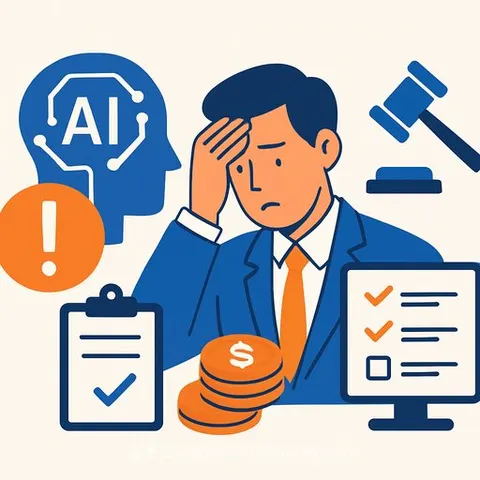
AI in HR Goes Beyond Hiring. Legal Risks Follow.
Artificial intelligence has moved deep into employment decisions across the entire workforce lifecycle. HR leaders now face legal exposure not just from hiring algorithms, but from AI systems that influence performance reviews, compensation analysis, job assignments and internal communications. Employment law holds employers accountable for adverse decisions regardless of whether a person or machine makes them-and AI introduces new complexity by obscuring how those decisions happen.
The focus on hiring tools has obscured a broader problem. While recruiting has drawn regulatory attention, organizations that limit their AI oversight to applicant screening miss where the real risk lies: inside the company.
Internal decisions carry distinct legal frameworks
Performance analytics that inform evaluations or bonuses require transparency and documentation. If AI-generated scores influence a termination or disciplinary action, employers may face questions about how the system works and whether it discriminates.
Pay equity tools implicate wage and equal pay laws. If the underlying data or model assumptions disadvantage protected groups, the employer remains liable. Promotion and job assignment algorithms raise the same concerns, especially when AI recommendations are adopted without meaningful human review.
Each decision type carries its own legal framework. Each requires its own risk assessment.
Vendors don't absorb liability
Many employers use third-party AI systems straight "out of the box" without modification. This does not transfer legal responsibility. Courts increasingly examine whether vendors function as agents of the employer, looking beyond who built the tool to how it was deployed and relied upon.
Due diligence is now necessary. HR leaders should understand what data the system uses, how it generates outputs and whether it has been audited for bias. Independent reviews by legal or HR experts can identify problems before litigation begins.
Meeting transcription tools create hidden exposure
One of the least-noticed AI risks exists outside formal HR systems. AI-powered notetakers and meeting transcription tools are widely used across organizations, often without approval or oversight. Employees may not know that discussions about performance, compensation, discipline or medical issues are being automatically recorded and transcribed.
In some jurisdictions, recording conversations without proper notice or consent violates state law. Even where recording is lawful, storage and use of those transcripts may implicate privacy and employment regulations. The risk does not come from systems formally adopted by HR or IT. It comes from well-intentioned employees using readily available tools in daily work.
Policy and training must work together
Clear policies should define acceptable and prohibited AI use cases, outline data protection expectations and explain consequences of misuse. Policies alone are insufficient.
Training should be practical and scenario-based, not technical. Employees need to understand how sharing confidential information with AI tools or using unapproved transcription systems can create legal and compliance problems. This approach helps employees recognize risk in context and reinforces the importance of human judgment, documentation and transparency.
Regulation is accelerating across jurisdictions
Several jurisdictions have enacted or proposed AI regulations affecting employment practices. These rules impose requirements related to disclosure, bias audits and transparency. Organizations operating across multiple states or municipalities face a patchwork of requirements.
Waiting for enforcement actions or lawsuits to identify gaps is expensive. Regular audits and policy updates help organizations stay ahead of legal developments and demonstrate good-faith compliance efforts.
HR's role in responsible adoption
AI's influence on workplace decisions will only grow. HR leaders have the opportunity to guide responsible adoption by asking hard questions: Where is AI being used? How are decisions made? What safeguards protect employees and the organization?
By broadening focus beyond hiring, addressing emerging risks like AI notetakers and investing in thoughtful policy and training, HR can ensure innovation stays grounded in transparency, accountability and legal compliance.
For HR professionals managing this exposure, understanding both AI for Human Resources and AI for Legal frameworks is essential to effective governance.