
AI news ·
HR risks irrelevance in the AI era if it cedes workforce strategy to technology teams
HR leaders must take ownership of AI strategy now or cede control to tech teams that prioritize productivity metrics over workforce needs. The organizations that get this right will build AI strategy around people, not the other way around.
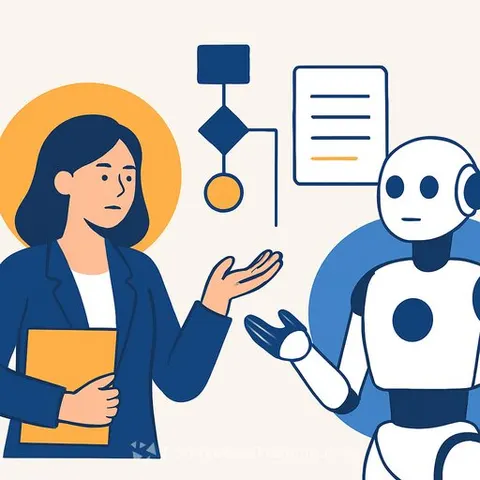
HR Must Own AI Strategy or Risk Becoming Obsolete
Human resources leaders face a choice: seize control of artificial intelligence as a strategic tool or watch technology teams dictate how work gets reimagined.
Right now, AI remains a technology problem. Engineering departments conceive it. Chief technology officer budgets fund it. Tech teams deploy it while chasing productivity metrics and platform adoption.
This leaves HR on the sidelines.
The warnings about job displacement have become background noise. So have the promises of upskilling and reskilling. Conferences overflow with slides about a brighter future. Yet the uncomfortable reality persists: workforce strategy remains an afterthought, not the primary driver of technology investment.
HR Must Disrupt First
HR leaders need to understand AI as the most powerful tool they have ever had to reimagine how humans work. Not as a threat to manage. Not as a compliance issue to monitor. But as a lever for fundamental change in how organizations structure roles, develop talent, and measure performance.
This requires HR to disrupt itself before the technology does it for them.
The stakes are high. Organizations that treat workforce strategy as secondary to technology deployment will face misalignment between their AI capabilities and their human capital needs. Employees will be retrained for roles that don't exist. Teams will be reorganized around systems nobody understands. Trust erodes.
Where to Start
HR leaders should begin by building genuine fluency with AI-not to become data scientists, but to speak credibly with technology teams about what the business needs from its people.
AI for CHROs (Chief Human Resources Officers) provides a structured path for HR leadership to understand how AI applies to recruitment, workforce analytics, and talent strategy. AI for HR Managers covers practical applications in automation and workforce planning.
From there, HR must place workforce strategy at the center of every technology decision. What roles will change? Which skills will matter most? How do we retain institutional knowledge while automating routine work? These questions should shape AI investment, not follow it.
The organizations that win will be those where HR and technology teams build strategy together-where human considerations drive technology choices, not the reverse.