
AI news ·
HR should design employee experiences that blend AI and human judgment, SHRM says
Leadership and manager development is HR's top priority for the second straight year. Workers who feel their needs aren't met are far more likely to quit within 12 months.
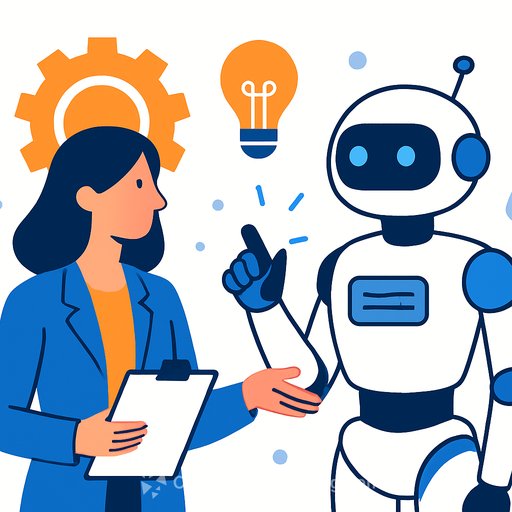
Leadership and manager development sits at the top of the HR agenda for the second consecutive year, while employee experience holds firmly in the top three priorities for chief human resources officers (CHROs), according to SHRM's 2026 CHRO Priorities and Perspectives report. A companion study, the State of the Workplace research, found that workers who think their organization fails to meet their needs are far more likely to quit within 12 months. Together, the data points to a clear mandate: HR must design the experiences that make the best people choose to stay.
The shift from management to design
A management mindset pushes everyone through the same processes. A design mindset asks what a specific person in a specific role needs at this moment to do their best work. The difference surfaces when HR builds career paths or rethinks performance conversations. A standard framework treats every engineer identically. A designed experience recognizes that one engineer gains energy from deep technical specialization while another is ready to manage a team.
SHRM's State of Global Workplace Culture 2024 report identifies five elements that shape favorable workplaces: open communication, empathy, civility, honesty, and meaningful work. Organizations that embed these into their culture see stronger loyalty and retention.
Where AI adds the most value
CHROs expect deeper AI integration in workforce operations this year, with most anticipating more AI-related upskilling, SHRM's 2026 report shows. The clearest returns appear in two areas: listening at scale and the internal talent market. Sentiment analysis can flag engagement declines weeks before a strong performer starts interviewing elsewhere. Skill mapping tools match employees to internal opportunities that static job boards miss.
Platforms like Gloat build dynamic skills graphs used by Unilever, Schneider Electric, and Standard Chartered Bank. Unilever reported unlocking substantial employee capacity through its FLEX Experiences platform. Schneider Electric slashed the time to find an internal development opportunity from weeks to minutes. The organizations that get real value from AI in HR, however, first decide which behaviors the tool should change before selecting it.
HR teams adopting these tools need structured upskilling. An AI Learning Path for CHROs provides a framework for integrating AI strategically into experience design.
Why human judgment still anchors the design
Effective HR experiences let automation handle repeatable work so managers and HR business partners can focus on conversations that build trust. AI, used well, returns time to HR leaders. The question is what they do with it.
A new joiner receives an automated welcome sequence covering operational basics. In the second week, the manager makes a short check-in call, recalling a detail from the interview and asking how the role is settling. The first action is operational; the second is human. Good HR design weaves them together.
A useful test for any new tool: does it give managers and HR business partners more time for the conversations that matter? A clear yes signals a sound investment. A vague answer means the design needs rethinking before procurement.
Four design moves that build loyalty
Treat internal talent as a market. Open opportunities, whether full roles or short-term projects, should be visible across the organization. Employees need encouragement to apply or move laterally where the fit makes sense.
Invest heavily in manager capability. The direct manager is the single largest variable shaping an employee's experience. SHRM's 2026 data places leadership and manager development as the top CHRO priority for the second year running. Equipping managers with coaching skills and the time to use them is among the highest-return HR investments.
Design recognition systems that reflect career growth alongside compensation. Most employees value career progression as much as pay.
Close the feedback loop with action. Listening tools create value only when leaders act on what they hear. Workplaces where employees see their feedback shaping decisions become places people advocate for inside their professional circles.
Why this matters for HR professionals
The old HR mandate centered on risk management and policy administration. The new one demands designing an experience that makes the organization a place the best people actively choose. Getting this right requires intelligent automation and genuine human judgment working together. CHROs who design with both the algorithmic and the human in mind will build organizations where the right people stay and grow. That outcome-more than headcount figures or engagement scores-is the clearest measure of whether HR is doing its job.