
AI news ·
Human creative instinct matters more as AI lowers the barrier to design
AI tools generate fast, but they can't replicate a designer's instinct for how work will land emotionally. Coca-Cola's hollow 2024 Christmas campaign showed what happens when that judgment is missing.
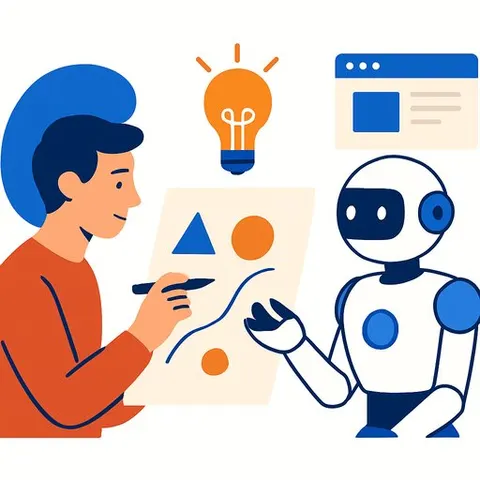
Design Instinct Matters More as AI Lowers the Barrier to Entry
Generative AI tools keep improving. Midjourney, DALL-E, and newer models with image-generation capabilities arrive regularly. Each launch prompts the same question: is this the end of design?
That's the wrong question. What these tools actually reveal is how much creative work depends on instinct and taste built over years of experience.
The Gap Between Speed and the Right Decision
AI generates quickly by drawing from existing work. But even advanced models can't replicate a designer's ability to anticipate emotional outcomes-to know how work will land with an audience or move someone unexpectedly.
That judgment only comes from the ability to anticipate, gauge, and react in microseconds. It requires human instinct.
The gap between producing work and making the right creative decisions is growing. As these tools become more available, that judgment becomes more valuable, not less.
The Formula 1 Analogy
Generative AI is like a Formula 1 car-an extraordinary machine built for speed and precision. But it doesn't win races without a seasoned driver behind the wheel.
Drivers spend years developing instincts, strategy, and the mental resilience to handle what that car demands. Anyone can climb into the cockpit. They might even go very fast. But without experience to read conditions, anticipate turns, and make decisions in real time, they won't win.
Speed alone has never been the point. AI is a tool to unlock better stories, allowing creatives to focus on fine-tuning details instead of crossing the finish line.
When Careless AI Use Backfires
Coca-Cola's 2024 Christmas campaign drew backlash for hollow, uncanny imagery. Volvo's Come Back Stronger was called lazy. People feel the difference, even when they can't articulate why.
The more people see poor AI use, the more they'll seek out experienced creative partners-people who bring focus, feeling, and genuine craft to the work.
Nike's Whatever Your Game ad took a memorable, unexpected turn. That's what storytelling looks like, even when AI brings it to life.
The Real Difference
AI doesn't care where it ends up. Creatives do. Without direction, generative models produce output. With direction, they amplify creativity.
The work will reveal the difference between those using AI to amplify their creativity and those using it to automate it. It will separate the drivers from the passengers.
The moment creatives stop questioning and refining-stop holding themselves accountable for quality-they risk falling asleep at the wheel. That's when things go wrong.
Knowing how to hug the curves, when to push, when to pull back, when something is close but not quite there yet-that only comes from time on the track. Human creatives aren't going anywhere.
AI for Creatives resources can help you build skills in using these tools effectively.