The careers most resistant and most at risk from AI: What HR needs to prioritize now
A new study from Ubie Health ranked jobs by "AI resistance" using two signals: how much the role interacts with the public and how automatable its work is. The pattern is clear. More human interaction and lower automation risk equal stronger resilience.
If you run HR, this is more than a headline. It's a hiring map, a reskilling plan, and a way to redesign roles so your org gets the most from AI without hollowing out core human value.
The ranking: most resistant to least
- 1) Lawyers - Score: 100; Public interaction: 100%; Automation risk: 26%
- 2) Medical and health services managers - Public interaction: 89.8%; Automation risk: 29%
- 3) Human resource managers - Score: 87; Public interaction: 82.9%; Automation risk: 26%
- 4) General and operations managers - Score: 75; Public interaction: 80.3%; Automation risk: 36%
- 5) First-line supervisors of office/admin support - Score: 64; Public interaction: 81.6%
- 6) Training and development specialists - Score: 61; Public interaction: 57.8%; Automation risk: 29%
- 7) Architectural and engineering managers - Score: 55; Public interaction: 47.1%; Automation risk: 25%
- 8) Compliance officers - Public interaction: 72%; Automation risk: 50%
- 9) Industrial production managers - Score: 48.6; Public interaction: 51.6%; Automation risk: 37%
- 10) Graphic designers - Score: 48.5; Public interaction: 72.5%
What this means for HR
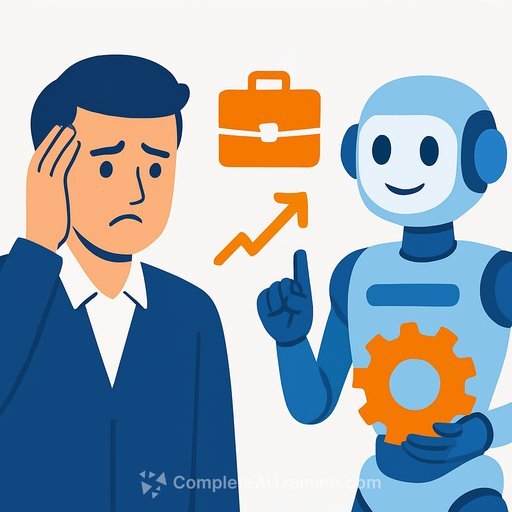
Jobs that meet people, manage nuance, and make context-heavy decisions are holding strong. The study puts HR managers in the top tier, but with a 26% automation exposure. Translation: AI will reshape the work, not erase it.
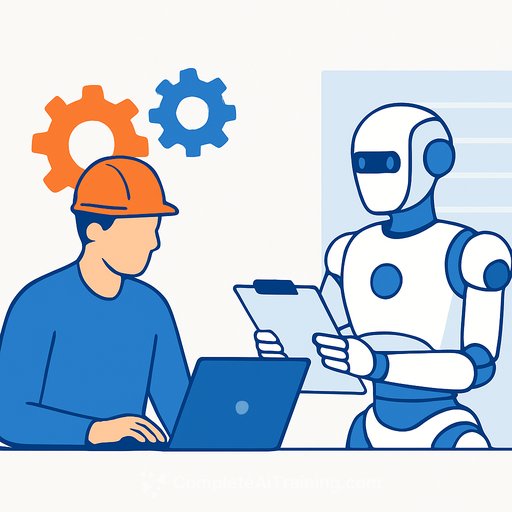
Your edge is how you redeploy time. Push AI into documentation, scheduling, research, and first-draft work. Redirect humans to conflict resolution, coaching, culture, and decisions with ethical or legal weight.
Action plan you can run this quarter
- Audit roles by "human interaction vs. automatable tasks." Catalog meetings, coaching, negotiations, and exception handling. Separate from tasks that are rules-based or content-heavy. If helpful, use task data from O*NET to benchmark.
- Redesign job descriptions. Make judgment, context setting, and people outcomes explicit. Add accountability for using AI on low-value tasks.
- Upskill where the study flags movement. For HR and T&D, train on prompt writing, content QA, and facilitation. For compliance, build hybrid workflows that pair AI review with human oversight.
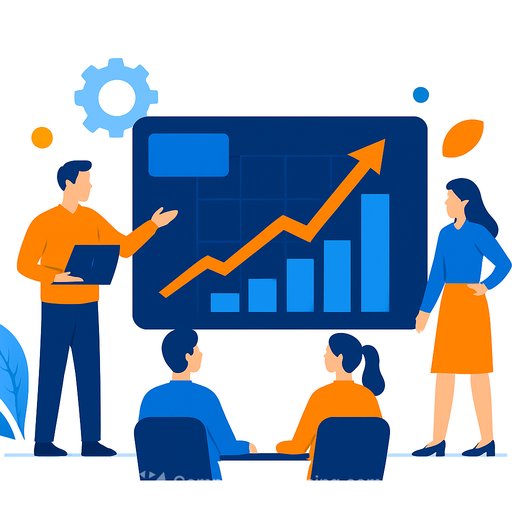
- Set new KPIs. Track "people-interaction ratio," "exception rate resolved by humans," and "automation coverage" per role. Tie development plans to those metrics.
- Create mobility paths for higher-risk creatives. For graphic designers, expand into creative direction, brand systems, client discovery, and AI art tool ops. Keep the person in the loop for taste, strategy, and approvals.
Role-by-role guidance
- HR managers (Score 87; 26% risk): Keep the core human work-hiring decisions, sensitive conversations, culture. Use AI for sourcing, screening summaries, policy drafts, and survey analysis.
- Training & development (Score 61; 29% risk): Let AI draft curricula and quizzes; humans facilitate, coach, and localize content. Measure behavior change, not just course completions.
- General/operations managers (Score 75): Automate reporting and scheduling. Invest manager time in prioritization, trade-offs, and stakeholder alignment.
- Compliance (50% risk, 72% interaction): Deploy AI for document review and risk scanning. Keep human judgment for interpretation, escalation, and final sign-off.
- Graphic design (Score 48.5): Shift from production volume to discovery, briefs, brand guardianship, and prompt QA. Codify taste with guidelines that AI tools follow.
Skills that boost AI resistance across the org
- Empathy, negotiation, and conflict resolution
- Ethical and legal judgment under ambiguity
- Facilitation and stakeholder management
- Prompt writing, critique, and review standards for AI output
- Data literacy for checking, not just creating, content
If you want structured programs to build these capabilities by role, browse curated options here: Courses by Job and an automation-focused collection here: Automation resources.
Bottom line for HR
AI shifts work; it doesn't erase the need for humans who can read context and handle people. Hire and develop for interaction, decision quality, and accountability. Let machines speed the back office-then give your people the front row.
Your membership also unlocks: