
AI news ·
IIM Lucknow study of 1.57 lakh reviews finds emotional and psychological risks in AI companion apps
A study of 157,000 user reviews found AI companion apps may increase emotional dependence and discourage real human connection. Researchers say platforms need clearer AI disclosure and limits on features that encourage unhealthy attachment.
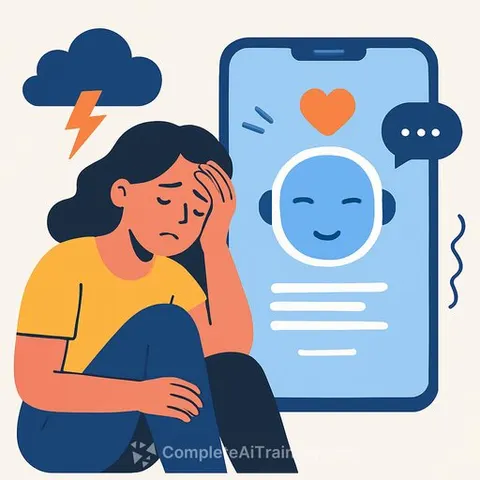
Study Flags Mental Health Risks in AI Companion Apps
Researchers at Indian Institute of Management Lucknow examined over 157,000 user reviews of AI companion applications and found evidence that these apps may increase emotional dependence and blur boundaries between human relationships and machine interactions.
The study focused on how people attach to AI companions-apps designed to simulate human-like conversations and position themselves as digital friends or emotional support systems. Users report forming deep attachments to these platforms, which can offer comfort during loneliness but may also encourage unhealthy reliance on non-human interaction.
What the Research Shows
The analysis examined user behavior, attachment patterns, loneliness, and emotional dependence across multiple platforms. The researchers found that as AI companions become more conversational and personalized, users increasingly treat them as genuine relationships rather than tools.
For some users, this provides immediate comfort. For others, it may reduce motivation to build human connections or develop emotional resilience through real social interaction.
Implications for Educators
The findings matter for education professionals because young people-who are most comfortable with digital interaction-represent the primary user base for these apps. Schools and institutions need to understand how AI companions affect student mental health, social development, and learning outcomes.
The research suggests that technology platforms handling emotionally vulnerable users require stronger safeguards. This includes transparent disclosure that users are interacting with AI, crisis-response mechanisms, and design limits on features that encourage unhealthy attachment.
Learn more about AI for Education and how to evaluate AI tools responsibly in learning environments. For those researching AI's social impact, AI Research Courses provide frameworks for conducting and interpreting studies like this one.
The Broader Question
As AI companion apps grow in sophistication and user base, institutions face a choice: treat these platforms as neutral productivity tools or recognize them as psychological forces that require ethical oversight. The answer will shape how young people develop relationships, manage emotions, and build resilience.