
AI news ·
ILO warns AI deployment creates psychosocial risks for workers through surveillance and loss of autonomy
The ILO warns that AI deployment is creating serious workplace mental health risks, including surveillance, loss of job autonomy, and isolation. Current safety laws don't cover these harms.
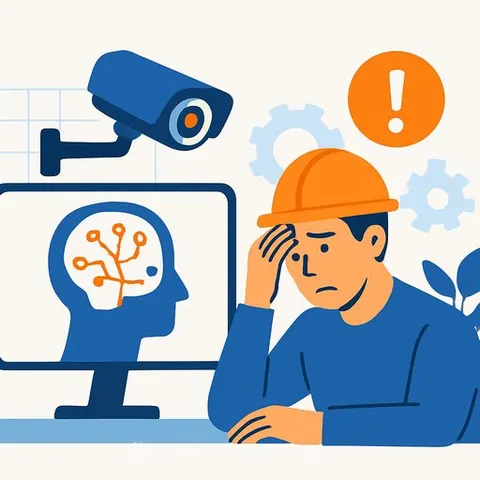
ILO warns of psychosocial risks from AI workplace deployment
The International Labour Organisation has identified intrusive surveillance, loss of job autonomy, and excessive data collection as emerging workplace risks tied to AI adoption, calling for new protections to address the technology's impact on workers' mental health and dignity.
A new ILO working paper catalogues specific harms: AI systems trigger cognitive overload as automated management compresses more tasks into shorter hours. Workers lose decision-making authority and meaningful work. Face-to-face interactions decline, increasing isolation among colleagues. Real-time workplace monitoring erodes trust and breeds perceptions of unfairness.
Existing frameworks fall short
Current occupational safety and health legislation focuses primarily on physical hazards, leaving psychosocial risks largely unaddressed. The ILO said no comprehensive legislation specifically covers AI-related workplace changes.
While some regulatory attention has gone to surveillance systems, other risks receive minimal protection. The paper highlighted a critical gap: regulations for worker privacy exist, but safeguards for job autonomy, workplace dignity, and transparency remain absent.
What regulators need to do
The ILO called for an integrated policy approach combining labour and employment rules with occupational safety and health standards, equality protections, and data protection frameworks.
The paper framed these gaps as raising fundamental questions about what a human-centred workplace should look like as AI adoption accelerates.
HR leaders should review how AI systems are deployed in their organisations. AI for Human Resources resources can help teams understand both the capabilities and risks of workplace AI. For senior HR executives, an AI Learning Path for CHROs covers workforce analytics and AI strategy in ways that address these emerging concerns.