
AI news ·
ILO warns AI workplace management tools raise psychosocial risks for workers
The ILO warned May 1 that AI workplace tools increase surveillance, intensify workloads, and strip job autonomy. Current safety frameworks don't cover these risks.
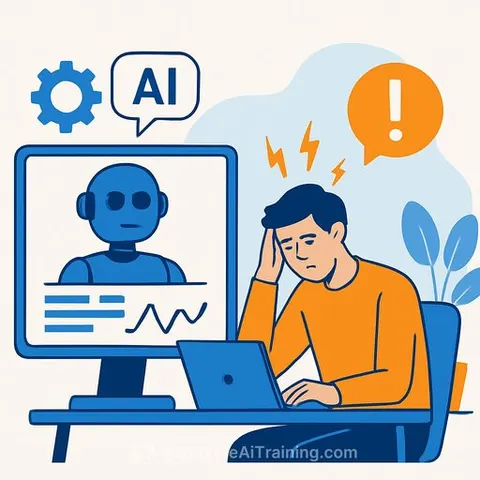
AI Workplace Monitoring Raises Mental Health Concerns for Managers and Staff
The International Labour Organization released a working paper on May 1 warning that artificial intelligence used in workplace management tasks poses psychosocial risks to employees, including increased surveillance, work intensification, and reduced job autonomy.
The risks emerge as AI systems expand across the full employment cycle-from recruitment through performance monitoring to reshaping how work gets organized and managed. Managers increasingly rely on data-driven monitoring tools that lack transparency in how they make decisions, leaving workers feeling disconnected from day-to-day operations.
The Gap in Existing Protections
Current occupational safety and health frameworks don't adequately address these psychosocial impacts. Concerns around privacy, data use, and algorithmic decision-making fall outside traditional workplace safety standards.
While some legislators are considering regulatory measures, no comprehensive legislation currently addresses how AI changes work itself. The ILO said addressing these risks requires combining labour and employment regulation with occupational safety and health, equality and non-discrimination, and data protection frameworks.
What This Means for Management
For managers implementing AI tools, the findings suggest that efficiency gains come with hidden costs. AI for Management solutions must account for employee well-being alongside productivity metrics.
HR teams face particular pressure, as AI for Human Resources systems often handle the surveillance and performance evaluation functions flagged in the report. Understanding these trade-offs is essential before deployment.
The ILO's paper suggests policymakers need integrated approaches that protect workers while managing technological change-a balance that requires input from those actually managing the transition.