
AI news ·
KP governor calls for ethical AI adoption in healthcare and medical education at Peshawar summit
Pakistan's Khyber Pakhtunkhwa Governor Faisal Karim Kundi urged hospitals and medical schools to adopt AI for diagnosis, treatment, and training. He stressed ethical use, saying compassion must stay central to care.
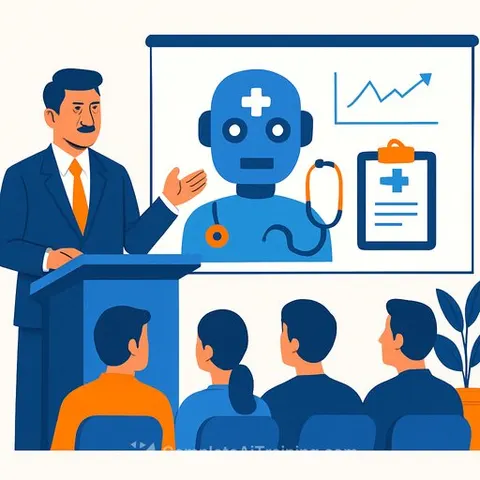
Pakistan Governor Calls for AI Integration in Healthcare and Medical Education
Governor Faisal Karim Kundi of Khyber Pakhtunkhwa told attendees at the Healthcare Education Artificial Intelligence Summit at Rehman Medical Institute that AI is changing how doctors diagnose disease, treat patients, and train the next generation of healthcare professionals.
Kundi urged universities and medical institutions to prioritize research, innovation, and digital skills development. He said the younger generation needs training in modern technology to work effectively in healthcare.
The governor emphasized that AI should enhance clinical work, not replace it. He called for responsible and ethical use of the technology, with compassion and professional competence remaining central to patient care.
What practitioners should watch
Public-sector backing at health summits often leads to funding announcements, curriculum changes, and pilot projects at hospitals. For healthcare professionals, this typically means new opportunities to work with AI tools in clinical settings and expanded training options.
Key developments to track include provincial or national funding for AI health projects, updates to medical school curricula that include digital health skills, hospital pilots combining AI with clinical teams, and new data governance guidelines.
The technical reality
AI in clinical settings works best when it has access to high-quality patient data, when doctors remain in control of decisions, and when systems are validated against real clinical outcomes. Successful projects require clear data pipelines, privacy protections, and methods to measure whether the technology actually improves patient care.
Learn more about AI for Healthcare and AI for Education applications in professional settings.