
AI news ·
Marketers balance AI automation and creator authenticity at Cannes Lions 2026
OpenAI, TikTok, Google, and Meta debuted AI creator tools at Cannes Lions 2026. Yet only 26% of consumers trust AI content to outperform traditional media.
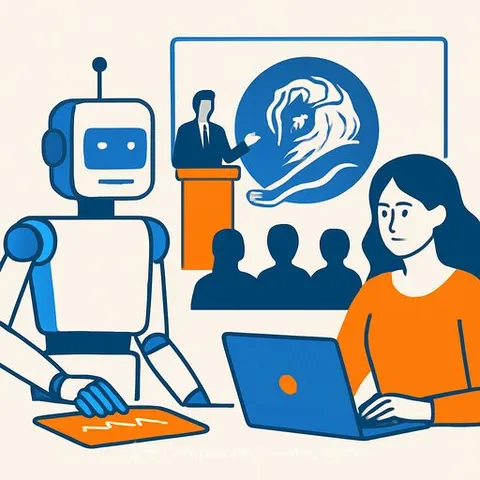
OpenAI, TikTok, Google, and Meta used Cannes Lions 2026 to debut a range of AI tools designed to automate and scale creator marketing. The announcements came amid fresh data showing that consumer trust in AI-generated content is slipping-only 26% of consumers now believe AI-produced creator content outperforms traditional content, down from 60% in 2023, per a Billion Dollar Boy survey.
Platform announcements at Cannes
OpenAI held its first-ever Cannes Lions event and shared early signals that ads within ChatGPT are gaining traction. The company reported a 50% drop in the rate at which users close out of ChatGPT ads and said that 20% of user queries carry commercial intent.
TikTok positioned AI as the backbone of modern creator marketing by expanding its Symphony suite with agentic AI tools. These tools source creator content and identify relevant creators for campaigns, with new features that speed up content creation and pinpoint creators best suited to localize campaigns across markets.
Google revealed new insights tools for YouTube that give marketers access to trend overviews and a creator insights API. The company also announced that its Gemini AI will soon help brands optimize YouTube Demand Gen campaigns. Meta, meanwhile, put AI at the center of its pitch by introducing an "end-to-end creative" tool that builds and launches campaigns aligned with existing content, AI-powered experiences to reach consumers, and a consolidated Creator Marketing Hub.
The trust paradox
Consumer skepticism is rising. Beyond the Billion Dollar Boy finding, an EY study found that more than half of internet users worry AI will make online content less trustworthy. This wariness sits awkwardly alongside marketer enthusiasm for automation: nearly three-quarters of marketers already use AI in influencer marketing, according to Linqia, and 69% are at least somewhat in favor of fully automating influencer marketing, per CreatorIQ.
Creators remain a primary channel for building human connection, but the push toward automation could chip away at the human trust that makes those campaigns effective. Fully automated influencer efforts risk flattening the very authenticity audiences say they value most.
What marketers can do
Brands are already responding to the tension. Nearly half of influencer marketing agencies say brands are asking for AI guidance, CreatorIQ and Sapio Research found. Marketers need to make transparency a priority when implementing AI and treat user sentiment as a core KPI. Trust still builds through in-person and tactile experiences, which consumers rate as more memorable and credible than digital impressions alone, according to The Harris Poll.
Even when AI shortens the campaign cycle, the content must preserve the creator's voice that resonates with audiences. For marketing professionals seeking to implement AI responsibly, an AI Learning Path for Marketing Managers offers structured guidance on integrating AI into workflows without sacrificing the human elements that drive engagement. Brands that refuse to trade quality and authenticity for speed will see the strongest long-term results.
Why this matters for marketers
AI's role in creator marketing is not going to shrink; platforms are baking it into core advertising products. The winners will be marketers who use AI to amplify-not replace-creator relationships. Measuring shifts in consumer trust will become as critical as tracking performance metrics over the next year.