
AI news ·
Marketers trust AI to buy media but keep it away from brand identity
Marketers trust AI to buy media and scale campaigns, but keep humans in charge of brand voice and strategy. Seventy-eight percent of consumers still prefer ads made by people.
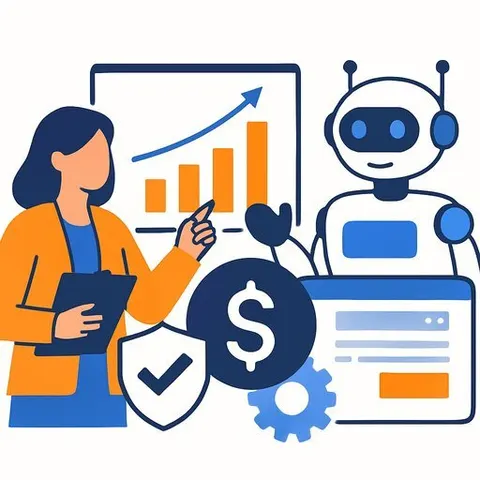
Marketers embrace AI for spending decisions, resist it for brand building
Marketers are automating more of their work - testing AI agents to buy media, generate creative, and scale campaigns. But they've drawn a clear line: they trust AI with execution, not strategy.
The split is stark. Some executives use automated tools to brainstorm campaigns while rejecting AI-generated creative ideas. Others rely on AI to scale assets consumers see but limit its role in how brands communicate. What unites them: AI handles the mechanics of spending money. Humans handle what the brand actually says.
The fear of losing control
Marketers cite two concerns: opacity and backlash. AI agents make decisions without clear explanations for how or why. And they remember Coca-Cola's 2024 AI-generated holiday ad, which drew criticism.
Consumer data complicates the picture. Sixty-eight percent of shoppers don't mind AI in ads if it makes them more relevant, according to Canva's 2026 State of Marketing and AI Report. But 78% of the same group say they'd rather see ads made by people.
Younger audiences are particularly skeptical. "The younger generation just regales against anything created by AI," said Andrea Brimmer, chief marketing and PR officer at Ally Bank.
Where companies draw the line
Ally Bank tests automated tools in programmatic media buying to speed up the process. The bank uses AI for backend content work but hasn't produced consumer-facing creative. "I've been a little more tepid in terms of the creativity," Brimmer said. "The media and efficiency makes tons of sense."
Duluth, the lifestyle and apparel retailer, delegates bidding and creative iteration management to AI. Brand voice, humor, and ethos stay with humans.
LUNA Bar, owned by Mondelez, restricts AI agents to brainstorming. The brand's marketing team develops consumer insights. Creative ideas come from partnership with agency partners, not from AI alone.
"We are not handing it over to AI to help us develop that true consumer insight that would design the campaign," said Valerie Van Arkel, brand director at Mondelez. "That comes from the research that we've done, our connection to our audience, our understanding of the market."
Why automation has limits
Google and Canva released AI-powered marketing tools within the past year to generate and scale social campaigns. Adoption has stalled.
Companies are pulling back how much AI appears in branding, messaging, and identity systems, according to Sunny Bonnell, CEO of branding agency Motto. "They're discovering that trust, emotion, taste, and cultural relevance cannot be automated into existence," Bonnell said.
The gap between what AI can do and what brands need remains wide. Efficiency and cost savings matter. But so does the risk that consumers reject the work - and the brand behind it.
For marketers navigating this territory, the challenge is clear: find the boundaries between what machines should handle and what requires human judgment. An AI learning path for marketing managers can help teams understand where those lines should fall in their own operations.