
AI news ·
Monster Girl Evolution releases final novel in bestselling AI-generated trilogy
Brian Heming's AI-assisted Monster Girl Evolution hit 3 million views and ranked first on Amazon. The final book launched June 11, proving hybrid writing attracts readers.
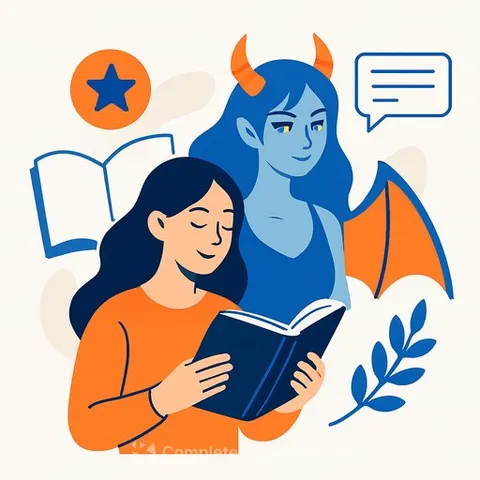
The final installment of the AI-generated Monster Girl Evolution trilogy, which amassed over 3 million views on DeviantArt and Royal Road and hit #1 on Amazon in both Light Novel and GameLit & LitRPG categories, launched on June 11, 2026. The series' commercial success challenges the assumption that audiences reject AI-assisted creative work, showing that a hybrid approach can attract a large readership.
A hybrid approach to AI-generated fiction
Author Brian Heming uses local AI models running on his laptop, carefully tuning them to produce the style he wants. He then combines that output with traditional writing, plotting, and editing. "A lot of AI-generated books are just people copying and pasting the output of ChatGPT. My approach is very different," Heming said.
His illustrations follow a similar hybrid model: data pipelines and image models blended with digital painting techniques. "When AI is used in combination with human ability to achieve and enhance one's artistic vision, audiences show up and take notice," he said.
The series and its final chapter
Drawing on anime and video game tropes, Monster Girl Evolution follows Amy and her friends as they level up through combat and quests. The final book, Monster Girl Evolution: Tournament of the Smart, sends them into a futuristic fighting tournament with the world's fate at stake.
The trilogy is available in eBook, paperback, and audiobook formats on Amazon and Audible.
Why this matters for writers
Heming's results-millions of views and top category rankings-show that readers will embrace AI-assisted fiction when the human touch remains central. The key is integration, not automation. Writers exploring similar methods can find guidance on balancing AI tools with craft through resources on AI for Writers. The lesson is not that AI replaces skill, but that it can amplify a writer's existing vision when used deliberately.