
AI news ·
Most Americans support teaching AI in college but doubt students will use it to learn, Quinnipiac survey finds
74% of Americans support teaching AI in college, but 47% think students will use it to dodge learning. Skepticism is highest among 18-to-34-year-olds, per a Quinnipiac poll.
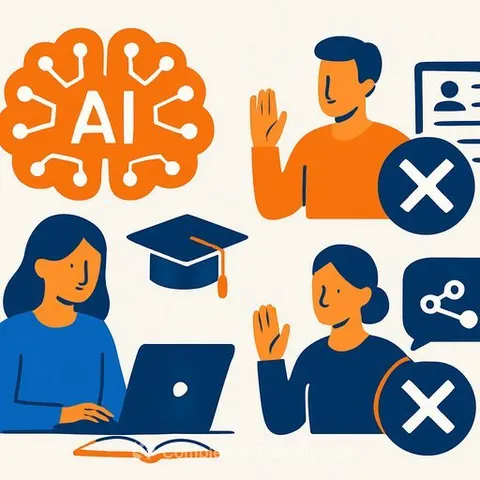
Most Americans Want AI in College, but Worry Students Will Use It to Skip Learning
Nearly three-quarters of Americans believe colleges should teach students how to use artificial intelligence, yet only 42 percent think students will actually use it to enhance their learning, according to a Quinnipiac University survey conducted in April 2026.
The poll reveals a stark gap between educational ideals and practical concerns. While 74 percent of respondents said AI instruction matters, 47 percent believe students are more likely to use the technology to avoid learning altogether.
The skepticism cuts across age groups, but not in expected ways. Younger adults-those most familiar with AI-express the deepest doubts about its educational value.
Younger Americans Most Skeptical
About 58 percent of Americans aged 18 to 34 believe students will use AI to sidestep learning. That's 23 percentage points higher than those 65 and older, who registered 35 percent skepticism.
"Who is most skeptical about the merits of having AI provide a learning assist? By age, the generation most likely to be familiar with the workings of AI in the classroom," said Quinnipiac polling analyst Tim Malloy.
The survey included 1,210 adults across party lines: 24 percent Republican, 26 percent Democrat, 37 percent Independent, and 13 percent other.
Broader Questions About Higher Education
The poll also explored related topics: the value of a college degree, institutional performance, three-year degree programs, and international student enrollment. The results suggest Americans hold complex-and sometimes contradictory-views about the future of higher education.
For educators and administrators, the findings underscore a central challenge: how to integrate AI for Education in ways that genuinely support learning rather than enable shortcuts. The AI Learning Path for Teachers offers one approach to addressing this gap between policy and practice.