
AI news ·
Music artists explore cyber and media insurance as a defense against AI deepfakes
AI deepfakes are costing music artists real income - a fake Drake track hit 15M TikTok views before takedown. Cyber and media liability policies may cover losses, but coverage gaps and broad AI exclusions leave many artists exposed.
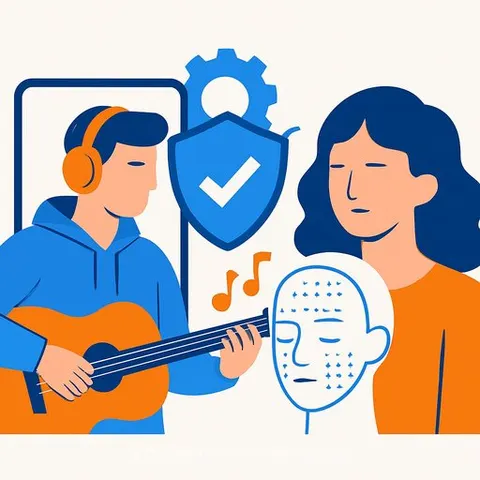
Music Artists Need Insurance Against AI Deepfakes. Here's What Policies Actually Cover.
Taylor Swift filed trademark applications for her voice and likeness in April 2026, a legal move designed to protect her identity from AI-generated deepfakes. The filings mark a shift from reactive responses to proactive defense - but legal protections alone won't compensate artists once a deepfake goes viral.
That's where insurance enters the picture. First-party cyber and media liability policies may offer financial protection for music artists facing voice cloning, synthetic tracks on streaming platforms, and reputational damage from AI-generated content. Insurance professionals handling entertainment clients should understand what coverage exists, where gaps remain, and how deepfake-specific endorsements are emerging to fill those gaps.
The deepfake problem is getting worse
In April 2023, an anonymous producer released an AI-generated track mimicking Drake and The Weeknd's voices. The song "Heart on My Sleeve" accumulated over 600,000 Spotify streams and 15 million TikTok views before Universal Music Group removed it.
Since then, AI music generation has accelerated. Platforms like Udio now offer near-production-quality tools trained on commercially released music - often without permission. A 2024 study by CISAC predicted generative AI could cost music creators $22 billion in income over five years.
While major record labels negotiate from positions of strength, independent artists lack comparable leverage. They face direct threats to income, brand identity, and commercial relationships.
What first-party cyber policies can cover
First-party cyber insurance covers the policyholder's direct losses: incident response, business interruption, crisis communications, and forensic investigation. This differs from third-party liability coverage, which protects against claims brought by others.
Several policy features may apply to deepfake scenarios:
- Business interruption and lost income: When AI-generated tracks flood streaming platforms, they compete for listener attention and royalty revenue. A policy covering lost income and extra expenses to restore operations may compensate for diminished streaming numbers, jeopardized touring guarantees, and lost brand partnerships.
- Crisis management: Cyber policies often include crisis management coverage for PR consulting, communications planning, and brand monitoring. When a deepfake track goes viral with content contrary to an artist's public brand, these provisions can fund rapid response.
- Forensic investigation and legal takedown: Policies may cover forensic experts to verify a deepfake and legal counsel to file takedown requests - essential components of any response strategy.
Media liability insurance complements cyber coverage by protecting against claims of defamation, privacy invasion, copyright infringement, and plagiarism. Some insurers bundle it within cyber policies or offer it as a separate endorsement.
Deepfake-specific endorsements are entering the market
Insurers are beginning to offer deepfake response endorsements tailored for entertainment professionals. These typically cover technical analysis by forensics firms, legal costs for takedowns, and crisis communications support.
An endorsement designed for recording artists might cover unauthorized voice cloning, AI-generated tracks on streaming platforms, and reputational harm from synthesized content. For a mid-career artist discovering a deepfake duet with millions of plays, such coverage could fund forensic verification, legal takedown notices, and reputation management - financial tools that don't currently exist in traditional policies.
The coverage gaps artists face
Artists should not assume existing Errors & Omissions or Professional Liability policies cover AI-related losses. Several carriers are adding broad exclusions for claims arising from "generative artificial intelligence" use by the insured.
These exclusions can render coverage illusory. In modern entertainment and business, generative AI is embedded in most digital workflows. Overly broad exclusions risk eliminating coverage for losses that fall squarely within the policy's stated purpose.
Insurance professionals should help clients review proposed AI exclusions with coverage counsel and brokers. The goal: identify gaps, remove or narrow restrictive terms, or place coverage with carriers taking a practical approach to AI use.
What artists should do now
Music artists need to consult with counsel and brokers to determine whether current policies include deepfake coverage. If not, they should request amendments or seek new coverage.
Key questions to ask insurers:
- Does the policy cover business interruption from AI-generated music competing on streaming platforms?
- Are crisis management costs covered when addressing reputational harm from deepfakes?
- Does the policy cover forensic investigation and legal takedown expenses?
- What AI exclusions apply, and can they be narrowed or removed?
- Are deepfake-specific endorsements available?
For insurance professionals, the message is clear: deepfake claims are coming. Copyright and intellectual property law are still catching up to the technology. Insurance offers a practical, financially accessible tool for artists to protect income, craft, and identity.
The time for carriers to develop deepfake-specific coverages and for policyholders to demand them is now.
Learn more: Insurance professionals handling entertainment clients should understand how AI intersects with coverage disputes and emerging risks. Resources on AI for Insurance and AI for Legal can help underwriters and claims professionals stay current on these issues.