
AI news ·
New York City scraps plan for AI-focused high school after parent backlash
NYC scrapped plans for an AI-focused high school in Manhattan after parents, teachers, and students pushed back hard. Critics cited equity concerns and studies linking classroom AI use to memory loss and weakened critical thinking.
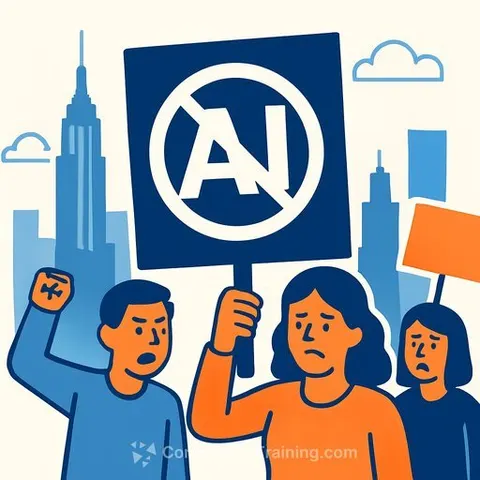
NYC Shelves AI-Focused High School After Parent Backlash
New York City schools chancellor Kamar Samuels withdrew the proposal for the Next Generation Technology High School on Wednesday, abandoning plans to open the AI-focused school in Manhattan this fall after widespread opposition from parents, teachers, and students.
The school was designed as a selective admissions program that would prepare students for an AI-dominated workforce. It drew immediate criticism on two fronts: concerns about the unproven educational value of AI tools, and questions about equity in a selective school located in a wealthy neighborhood.
What Research Shows
Studies have linked classroom AI use to short-term memory loss and atrophied critical thinking skills. The long-term cognitive effects remain largely unknown, and teachers and professors broadly share concerns about the technology's classroom effectiveness.
Gregory Faulkner, chair of the panel scheduled to vote on the proposal, said the vast majority of parent emails opposed the school. "If there's anything that even has a hint of AI, there's strong opposition to it," he told the New York Times. "People are very nervous about the technology and how it is going to be used."
The Equity Problem
The school's selective admissions process, based on student grades, would have concentrated access to AI education among higher-performing students in a wealthy part of Manhattan. Faulkner noted the contradiction: "If they're talking about this technology really being something that is going to become more global… why would we be exclusive in who can have access?"
This selective model risked deepening existing segregation patterns in city schools, where admission processes have historically separated lower-income and students of color from their wealthier peers.
What Comes Next
Samuels directed the city's education department to draft guidelines on AI classroom use. The resulting "playbook" was criticized for sidestepping key concerns and did little to satisfy opponents.
A coalition of parents, teachers, and high school students gathered outside City Hall earlier this month to request a two-year moratorium on classroom AI. Mayor Mamdani has not signaled support for the proposal, but the anti-AI sentiment is unmistakable.
Leonie Haimson, an education advocate and member of the Coalition for an AI Moratorium, told the Times: "The intense outrage among parents in New York City is as great as I've seen it on any education issue that I've been working on for 25 years."
Samuels has not ruled out reviving the proposal in the future. The plan also involved closing and relocating several Upper West Side schools, which faced separate criticism.
For educators navigating AI's role in classrooms, understanding both the research and community concerns is essential. AI Learning Path for Teachers provides practical guidance on how to evaluate and work with these tools effectively.