
AI news ·
New York teachers union pushes to limit screens and AI for young students
New York State United Teachers voted to ban one-to-one devices and AI tools for pre-K through second grade students. Teachers cite rising occupational therapy referrals and struggles with basic skills like holding pencils.
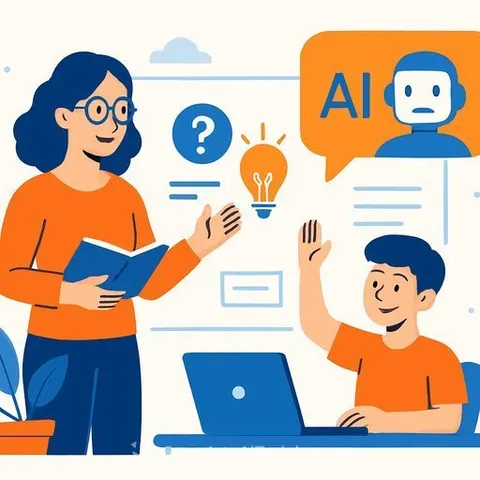
New York teachers union pushes limits on screens and AI for younger students
New York State United Teachers approved a proposal calling for strict limits on screen time and student-facing artificial intelligence in schools, particularly for children in prekindergarten through second grade.
The recommendation bans one-to-one device use for pre-K through second grade students, with exceptions only for documented needs like translation services or special education support. It also prohibits student-facing AI tools for the same age group and restricts non-educational AI use for grades three through eight.
Dan Weiss, president of the Niagara Falls Teachers Union and a NYSUT board member, said the push reflects concerns about early childhood development. Educators are reporting students struggling with foundational skills including fine motor control and critical thinking.
"When we think about putting technology into someone's hands without them really having any knowledge to work with it, it becomes a very dangerous thing," Weiss said.
Teachers are documenting higher instances of occupational therapy referrals and difficulties with basic tasks like holding pencils and manipulating objects, he added.
Experts warn against outright bans
Christine Wang, a professor of early education and learning sciences at the University at Buffalo, cautions that the conversation requires nuance. She directs the Center for Early Literacy and Responsible AI and leads development of a $10 million federally funded AI Reading Enhancer for kindergarten through second grade students.
The tool aims to support foundational literacy skills-vocabulary, fluency, and reading comprehension-through personalized support while keeping teachers involved in learning.
"Young children learn best when they have supportive adults in their life and appropriately designed learning materials and personalized support," Wang said. "Our tool is not replacing any of it. It's trying to enhance that kind of learning experience."
Wang agrees guardrails matter but opposes blanket AI bans in schools. "AI is so deeply embedded in everything, so an outright ban is just not the right approach," she said. "We need to think about intentionally putting on guardrails and intentionally, purposefully design."
Children already encounter AI through voice assistants, online videos, and smart toys, Wang noted. Schools should teach responsible AI use and digital literacy rather than avoid the technology entirely.
Broader momentum for restrictions
At least a dozen states have introduced or enacted legislation limiting classroom screen time. The Los Angeles Unified School District recently banned screens through first grade.
New York's push follows last year's bell-to-bell cellphone ban in schools. NYSUT hopes to build on that momentum as lawmakers continue discussions about AI and screen use in classrooms.
For educators navigating these decisions, resources like AI Learning Path for Teachers offer guidance on responsible implementation of technology in the classroom. The broader topic of AI for Education continues to evolve as schools balance innovation with child development concerns.