
AI news ·
Newsrooms adopt AI tools but accuracy concerns and human oversight remain unresolved
News publishers are using AI to draft routine reports, with major outlets including Reuters, AP, and BBC issuing guidelines requiring human editorial oversight. Accuracy concerns persist, as AI systems can produce false information stated as fact.
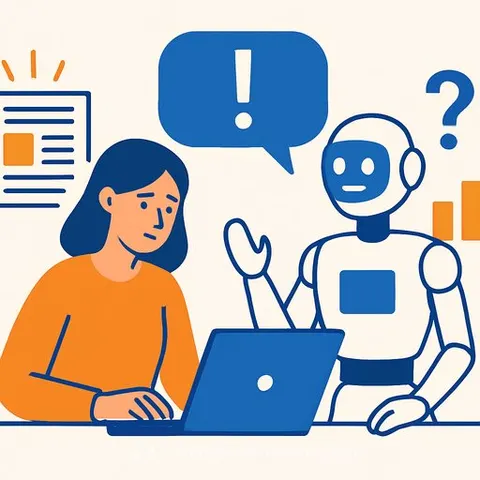
When AI writes the news, who checks the facts?
Publishers are using artificial intelligence to produce routine news reports and drafting guidelines to govern the practice. Journalists, academics, and readers worry about accuracy and accountability.
AI is already transcribing interviews, generating headlines, summarizing documents, translating articles, and assisting with data analysis across major newsrooms worldwide. Some organizations have experimented with AI-generated drafts for financial reports, sports results, weather updates, and earnings summaries. Reuters, The Associated Press, and BBC News have all issued internal guidelines emphasizing that editorial oversight remains essential regardless of how content is produced.
The appeal and the problems
Newsrooms facing budget cuts see efficiency gains. AI systems process vast amounts of information faster than humans, helping reporters identify patterns and monitor developing stories. For smaller news organizations with limited staff, these capabilities are attractive.
The technology has real limitations. Generative AI systems produce "hallucinations" - false or misleading information presented confidently as fact. They reflect biases in their training data and struggle with context and nuance. Several publishers have faced criticism after AI-generated content contained factual errors.
What humans still do better
Journalism depends on verification, context, and accountability. Experienced journalists evaluate sources, assess credibility, understand legal and ethical implications, and make editorial decisions based on public interest. They conduct interviews, cultivate sources, and provide context that algorithms cannot easily generate.
Editors review content, check facts, identify legal risks, and enforce professional standards. Most newsroom leaders argue that AI should support journalists rather than replace them.
The trust question
Public trust may determine how far AI-generated journalism can go. Readers want transparency about whether AI tools were involved in reporting or writing.
Media organizations are responding with AI policies, transparency guidelines, and mandatory human review. Some publishers label AI-generated material. Others emphasize that all published content remains subject to editorial oversight.
The industry's challenge is not whether AI can generate news articles. The larger question is whether organizations can use the technology responsibly while maintaining the trust that journalism depends on.
Most experts agree: technology may help produce the news, but responsibility for its accuracy rests with people. The future is likely to involve collaboration between humans and machines rather than full automation.
Why this matters
AI is becoming a permanent feature of modern journalism. Newsroom policies and editorial safeguards are now critical. Understanding both the opportunities and limitations of AI will help media organizations maintain credibility while adapting to technological change.
For writers working in newsrooms or content organizations, understanding how to work alongside these tools is becoming essential. AI for Writers resources can help you develop practical skills for using AI responsibly while maintaining editorial standards. If you want deeper technical knowledge, Generative AI and LLM Courses cover how these systems work and where they fail.
Trust, transparency, and human oversight are likely to remain central as AI adoption expands.