
AI news ·
NHS deploys AI to autonomously discharge benign skin cancer patients, freeing dermatologists for high-risk cases
NHS Trusts use AI to autonomously discharge benign lesion patients, freeing specialists for skin cancers. Data shows reduced waits and cost avoidance.
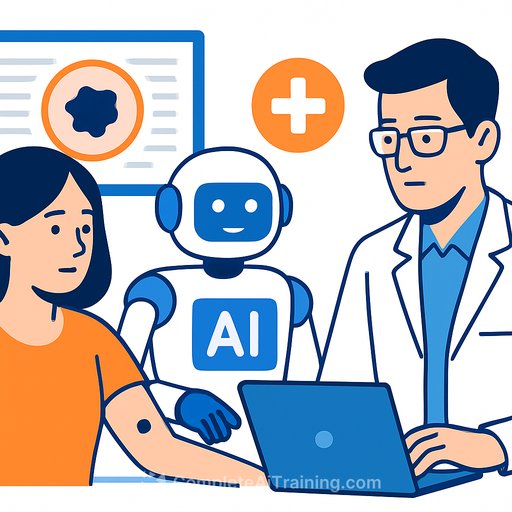
At HLTH Europe in Amsterdam this June, Skin Analytics CEO Neil Daly will present data showing how NHS Trusts use AI to autonomously discharge dermatology patients with benign lesions-without clinician review-freeing specialists to concentrate on high-risk skin cancers including melanoma.
Dermatology services across Europe are straining under a widening gap between patient demand and specialist availability. Skin cancer incidence has risen sharply, yet the specialist workforce has grown slowly. A large portion of clinical time goes to triage: ruling out cancer in patients whose lesions turn out to be benign, rather than treating those with confirmed malignancy.
How DERM enables autonomous discharge
Since 2020, the NHS has deployed DERM, an AI as a Medical Device (AIaMD) developed by Skin Analytics, into skin cancer pathways. DERM remains the only AIaMD authorised to make clinical decisions on the management of skin cancer. Six years after its first deployment, Daly will share examples from primary care, acute settings, and at-home pathways where the technology discharges patients without a dermatologist reviewing the case.
Removing benign cases from the queue at triage lets dermatologists allocate their time to complex, high-risk patients who need urgent intervention. It also shortens waits for patients on other dermatology pathways who would otherwise face longer delays for diagnosis and treatment.
Measured impact on waiting lists and costs
Daly will draw on data from NHS Trusts and primary care teams to detail the effects on capacity, waiting list reduction, and cost avoidance. He will also present early results from a major private insurer that implemented DERM at the start of 2026, showing benefit achieved in a private-sector pathway running alongside NHS deployments.
Attendees will hear how the technology performs across different care settings, what governance structures support autonomous AI decision-making, and how providers have integrated the tool without disrupting existing dermatology services.
Regulatory milestones and what they mean for adoption
The session will cover the regulatory certifications DERM has secured. For providers and insurers weighing AI adoption, the regulatory status of an AIaMD determines whether it can operate autonomously or must remain an advisory tool requiring human sign-off on every case. DERM's authorisation to make independent clinical decisions on cancer management sets it apart in the European market.
Why this matters for healthcare professionals
For clinical directors, service managers, and dermatology leads, the session offers a practical look at AI that has moved beyond pilots into sustained, multi-year deployment. The data on waiting list reduction and capacity release provides a basis for building a business case. The governance discussion addresses operational questions that follow procurement: how to integrate autonomous AI safely, what oversight is required, and how to measure success against existing clinical standards. Professionals evaluating similar tools can also explore structured AI for Healthcare Courses to build internal capability for assessing and implementing these technologies.