Table of Contents
- What NLP Brings to eCommerce
- NLP in Recommendation Engines
- AI Customer Support
- Implementing NLP in eCommerce
- Advantages of NLP in eCommerce
- Future of NLP in eCommerce
- Conclusion
Customers want quick answers, relevant products, and service that respects their time. As support leaders, your job is to remove friction and keep people moving.
Natural Language Processing (NLP) gives you a direct path to that outcome. It interprets human language, turns intent into action, and helps you deliver personalized recommendations and AI support that actually solves problems. The result: higher satisfaction, less busywork, and healthier revenue.
What NLP Brings to eCommerce
NLP lets systems read customer queries, chats, and reviews the way a human would-by looking at meaning, not just keywords. That makes search results, recommendations, and support answers more precise.
For support teams, this means fewer handoffs, clearer intent detection, and faster time to resolution. Customers feel understood, and agents get to focus on the exceptions that truly need a human.
NLP in Recommendation Engines
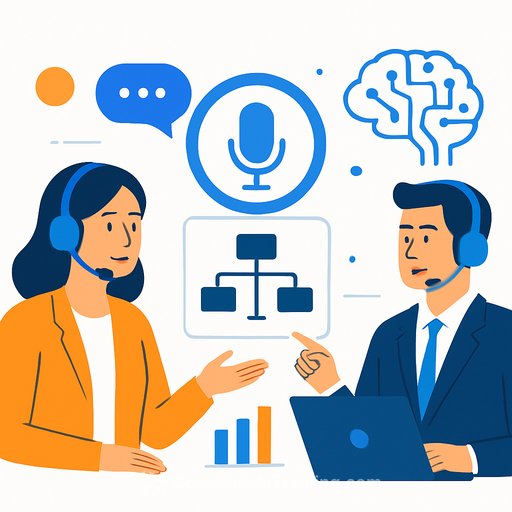
Recommendation engines use NLP to connect what customers say and do with what they actually want. It analyzes search terms, product descriptions, and behavior to surface the best next step.
Customized Product Recommendations
If a shopper searches "lightweight running shoes," NLP looks beyond the words. It reads for attributes like weight, durability, and use case, then serves products that match. This reduces decision fatigue and increases the chance they buy the first option you show.
Enhancing Recommendations With Customer Feedback
Reviews carry signal. NLP can classify sentiment, extract recurring themes, and rank items by real satisfaction. Products with consistent praise move up; items with repeated issues get less exposure until they're fixed.
Context and Intent Understanding
Intent changes. If a fitness-focused shopper starts exploring home office gear, recommendations should adjust in real time. Modern models can detect the shift and keep suggestions relevant without manual rule-writing.
AI Customer Support
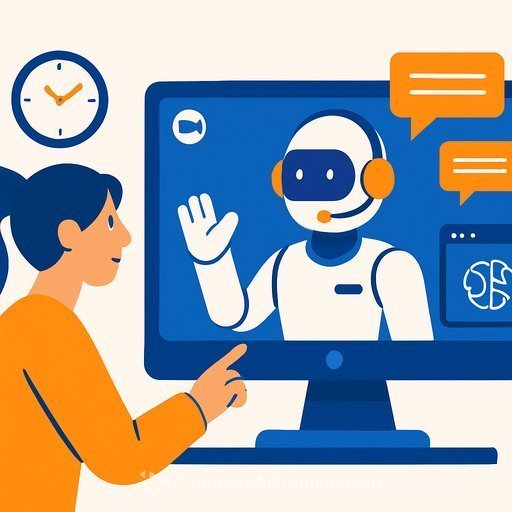
NLP-powered assistants help customers 24/7, answer clearly, and escalate when needed. The goal isn't to replace agents-it's to handle the repetitive 60% so your team can excel at the complex 40%.
Smarter Chatbots
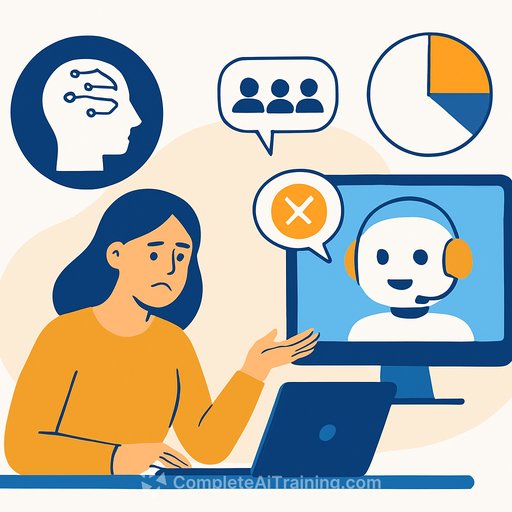
Good bots do more than reply. They identify intent, collect context, and complete tasks like tracking orders, processing returns, and checking warranties. If confidence is low or emotion is high, they route to a human with a clean summary.
Increased Responsiveness and Savings
Automating FAQs and routine workflows cuts wait times and reduces ticket volume. Agents spend their energy on high-value conversations. That improves CSAT and lowers cost per contact.
Multilingual Assistance
NLP supports many languages and dialects, keeping meaning intact. Customers get help in their preferred language without long queues or awkward handoffs. For frontline roles handling multilingual requests, consider the AI Learning Path for Receptionists.
Predictive Support
With purchase history and interactions, AI can anticipate needs. Skincare buyers get timely refill nudges; electronics buyers get setup tips or accessory suggestions. This boosts retention and reduces "where is my…" tickets.
Implementing NLP in eCommerce
Ship value fast, then iterate. Here's a practical rollout plan for support leaders.
1) Collect and Manage Data
- Centralize search queries, chat logs, emails, and reviews. The richer the dataset, the better the model performs.
- Label a sample set by intent and outcome (resolved, escalated, refund). This teaches the system what "good" looks like.
- Respect privacy. Align with regulations such as GDPR, and mask personal data in training sets.
2) Choose the Right Models
- Use transformer-based models for understanding context in queries, reviews, and chats.
- For support, pair an NLP model with your knowledge base and policies so answers stay accurate and on-brand.
- Start with off-the-shelf models; fine-tune only after you've proven the ROI.
3) Build Clear Flows and Guardrails
- Define top intents (shipment, returns, product fit, payment issues) and the exact actions the bot can take.
- Set confidence thresholds, escalation rules, and red flags (e.g., payment failures, VIP customers, sensitive language).
- Log every AI action with source citations so agents can audit quickly.
4) Continuous Learning
- Review misclassified intents weekly. Add examples and update prompts or policies.
- Refresh training data every few months to reflect new products, seasonal questions, and policy changes.
5) Integrate Seamlessly
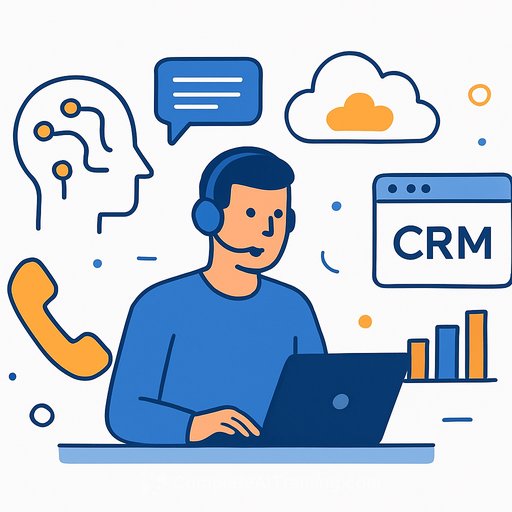
- Connect to your eCommerce platform, CRM, order system, and analytics. Let the bot check order status, initiate returns, and update tickets.
- Expose performance in a dashboard everyone trusts.
Metrics That Matter
- Containment/deflection rate (without hurting CSAT)
- First contact resolution and average handle time
- Resolution speed and agent productivity
- CSAT/NPS and sentiment shift during conversations
- Revenue impact: conversion lift, AOV, and repeat purchase rate
If your team wants structured training for these workflows, see the AI Learning Path for User Support Specialists.
Advantages of NLP in eCommerce
- Better Customer Experience: Precise answers, contextual recommendations, and fewer hoops to jump through.
- Higher Revenue: Relevant suggestions increase conversion, cross-sell, and repeat purchases.
- Operational Efficiency: Automation trims ticket queues and frees agents for complex cases.
- Actionable Insights: Review and chat analysis reveals product issues, content gaps, and policy friction.
- Global Reach: Multilingual support removes language barriers without scaling headcount linearly.
Future of NLP in eCommerce
Voice commerce lets customers browse and buy by speaking naturally. Expect smoother ordering and fewer steps to checkout.
Emotion detection can flag frustration and prompt empathy-or escalate to a human-before a situation turns into churn. Hyper-personalization will time suggestions to the customer's habits and context.
Multimodal models will read both text and images. That means better size guidance, style matching, and support for products with visual nuance.
Lessons from industries like insurance show how large language models boost predictive understanding and personalization. The same patterns apply here: ground answers in your policies, keep data safe, and measure relentlessly.
Conclusion
NLP makes customer support faster, smarter, and more human. Recommendation engines surface the right products at the right moment, while AI assistants resolve routine issues and hand off complex cases with context.
Start small, measure impact, then expand. Teams that move now will earn higher loyalty, cleaner operations, and steady revenue gains-without burning out agents.
If you're ready to upskill your support org, explore curated options like the AI Learning Path for Service Managers.
Your membership also unlocks: