AI workflow identifies folic acid as candidate for diabetic wound healing
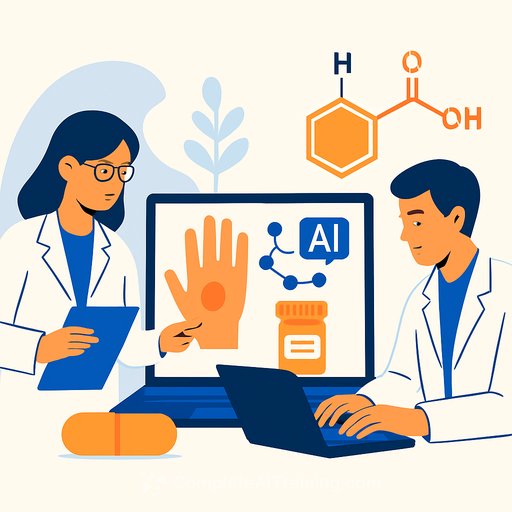
Researchers at the National University of Singapore have used artificial intelligence combined with molecular simulations to screen nearly 3,000 existing drugs for diabetic wound treatment, identifying folic acid-a common vitamin-as a top candidate. Laboratory tests confirmed the AI prediction, showing folic acid significantly improved wound closure in skin cells.
Diabetic foot ulcers are notoriously difficult to treat because multiple biological processes fail simultaneously. Inflammation, tissue repair, and cell growth all suffer disruption, making it unclear which existing drugs could help.
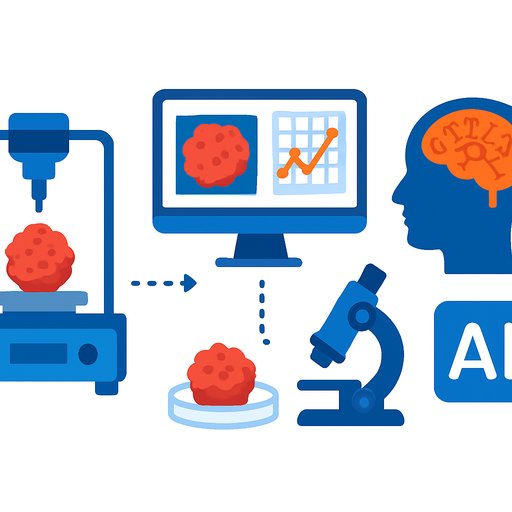
The research team mapped 2,989 existing drugs against 8,739 proteins linked to diabetic wound healing. AI scanned scientific literature to identify how different drugs might influence these proteins. Computational chemistry then studied molecular-level interactions between the most promising drug candidates and their target proteins. The two-layer approach narrowed the search from millions of possible combinations to 35 candidate drugs and 50 key proteins.
The workflow reduced the time from literature review to laboratory testing by more than 70% compared with conventional methods. Each component served a specific function: AI identified biological leads from published research, computational chemistry provided molecular evidence of drug-protein interactions, and laboratory experiments validated whether predictions held in living cells.
Folic acid emerged as one of the top-ranked candidates despite being widely used only as a dietary supplement. When tested in wound-healing experiments, it outperformed untreated cells, confirming the AI and modeling predictions.
The research appears in ACS Nano Medicine. The team plans to refine the workflow and test it on other complex diseases and nanomedicine applications.
For professionals working in AI for Science & Research, this approach demonstrates how computational methods can accelerate drug discovery at scale beyond what manual screening allows.
Your membership also unlocks: