
AI news ·
PepsiCo uses AI-driven development to expand protein snack lineup with PopCorners Protein launch
PepsiCo launched PopCorners Protein this month, offering 9 grams of protein per serving as part of a broader push into health-focused snacks. The company is using AI to speed up product development by tracking real-time consumer demand.
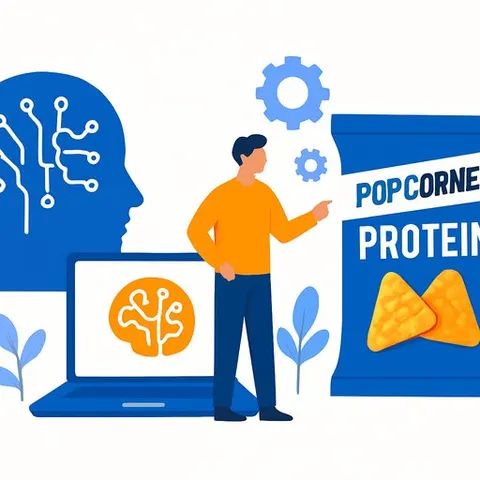
PepsiCo Uses AI to Build Out Protein Snack Line as Health Trends Reshape Portfolio
PepsiCo launched PopCorners Protein this month, marking the latest addition to its "better-for-you" snack portfolio. The popped corn snack delivers 9 grams of protein per serving across multiple flavors and represents part of a broader shift toward AI-driven product development aimed at matching consumer demand for protein, fiber, and cleaner ingredients.
The company also adjusted US snack pricing, raising prices on small chip bags while holding prices steady on larger family sizes. These moves signal how PepsiCo is balancing margin pressure with portfolio diversification.
The Core Investment Question
Investors betting on PepsiCo need to believe the company can maintain earnings growth while consumer preferences shift toward healthier options. The PopCorners launch fits into that thesis, alongside existing protein lines under Quaker and Doritos and fiber-focused products.
The real test is whether PepsiCo can increase the share of its portfolio aligned with health and wellness trends without eroding margins. That's the catalyst many shareholders are watching.
What AI Changes in Product Development
Using AI to guide product development allows PepsiCo to respond faster to consumer preference data. Instead of relying on traditional market research cycles, the company can test formulations and flavor combinations against real-time demand signals.
For product development teams, this approach means less guesswork about which health attributes matter most to consumers. Data drives decisions about protein levels, ingredient sourcing, and positioning.
PopCorners Protein itself appears modest in near-term impact. But combined with similar launches across multiple brands, the strategy shows how PepsiCo is using technology to systematize innovation rather than treat healthy snacks as occasional experiments.
The Risk Side
PepsiCo has been aggressive with productivity and cost-cutting programs. The risk investors face is whether those efficiency measures could eventually limit the company's ability to invest in future growth and innovation.
For product teams, this tension matters. Tight cost structures can constrain R&D budgets and slow time-to-market, even as consumer preferences continue shifting.
Learn more about how AI for Product Development is reshaping how companies approach innovation strategy, or explore an AI Learning Path for Product Managers to understand how these tools integrate into portfolio decisions.