
AI news ·
Physicians must engage with AI in health care, Lumeris executive says
AI tools are already screening images, flagging drug interactions, and analyzing patient data in hospitals. Physicians who don't understand how these systems work can't evaluate their risks or guide how they're adopted.
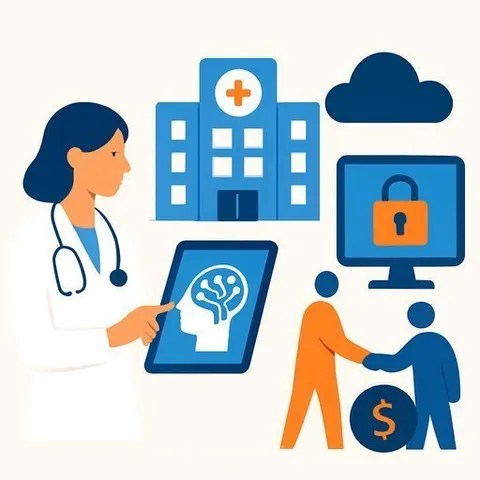
Physicians need to learn about AI, even if they're skeptical
Doctors don't have to embrace artificial intelligence in health care immediately. Skepticism is reasonable. But ignoring the technology entirely is no longer an option.
The medical field is moving toward AI adoption whether individual physicians are ready or not. Health systems are implementing these tools. Payers are incorporating them into workflows. Patients will encounter them in their care.
Physicians who don't understand how these systems work will struggle to evaluate their reliability, identify their limitations, or explain them to patients. That gap creates risk-both clinical and professional.
What physicians should focus on
Start with the basics. Understand what different types of AI actually do. Learn how they're being used in clinical settings today. Know where they add value and where they fall short.
This doesn't require becoming a data scientist. It means developing enough fluency to ask the right questions: How was this model trained? What data did it use? How accurate is it in my patient population? What happens when it's wrong?
Resources like AI for Healthcare and Generative AI and LLM training can provide the foundation physicians need.
Why this matters now
AI tools are already screening images, flagging drug interactions, and analyzing patient data in hospitals and clinics. Vendors are pitching solutions to health systems constantly. Without basic literacy, physicians can't meaningfully participate in decisions about which tools to adopt or how to implement them safely.
Measured skepticism paired with active learning is the right stance. Ignore AI, and you're unprepared for the decisions your organization will make. Embrace it uncritically, and you're accepting tools you don't understand.
The middle ground-learning enough to evaluate, question, and guide implementation-is where physicians should focus their effort.