
AI news ·
Rice University's Boniuk Institute receives $2.9M to study religion's role in shaping AI and biotechnology
Rice University's Boniuk Institute received $2.9M to study how religious beliefs shape public attitudes toward AI, biotech, and environmental tech. The five-year project spans 14 studies with Harvard, Oxford, and UC San Diego.
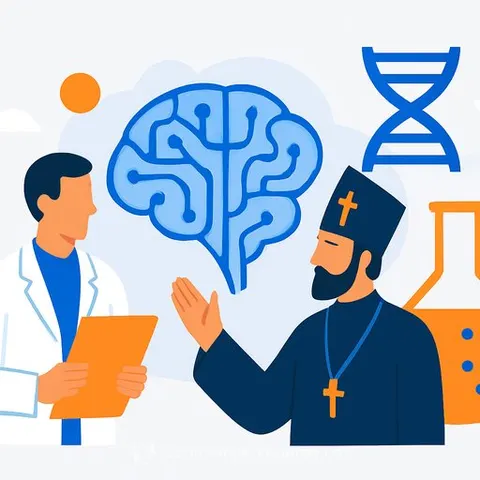
Rice University Gets $2.9M to Study How Religion Shapes Response to AI and Biotech
Rice University's Boniuk Institute for the Study and Advancement of Religious Tolerance received a $2.9 million grant from the Templeton Religion Trust to investigate how religious beliefs influence public attitudes toward artificial intelligence, biotechnology and environmental technologies.
The five-year initiative, conducted with UC San Diego and institutions including Harvard, Oxford and the National University of Singapore, includes 14 research projects examining the intersection of religion, science and technology.
The Research Question
The core finding driving this work: people reject or accept new technologies based on moral concerns rooted in religious belief - even when they understand the science. The problem isn't ignorance about how the technology works.
"It's not that people don't 'get' the technology - it's that they're worried about what it means," said John Evans, co-director of the initiative and associate dean of social sciences at UC San Diego.
Researchers found that concerns cluster around fundamental questions: What kind of future are we creating? What do these technologies do to human identity, relationships or the environment?
These worries are especially pronounced among religious individuals, but extend beyond religious communities. The concerns emerge because AI, human genetic technologies and environmental innovations touch on what it means to be human and how we live on the planet.
Why This Matters for Science Leaders
Religious institutions continue to shape moral reasoning in secular societies. As a result, religious perspectives influence how communities respond to scientific and technological change - a factor that often gets overlooked in technology development and policy discussions.
Elaine Howard Ecklund, director of the Boniuk Institute, said the research aims to close the gap between rapid technological advancement and careful thinking about moral implications. "By bringing together experts from the social sciences, humanities and sciences, it seeks to better understand how religion and science interact in shaping different visions of the future."
The researchers expect the work will shift how academic scholarship views the religion-science relationship, change media coverage and cultural conversations, and increase collaboration between religious communities and technology leaders.
For professionals working on AI development, biotech applications or environmental technology, understanding these moral frameworks could inform more effective stakeholder engagement and policy approaches.