
AI news ·
Samsung marks 30 years of customer service in India with push into AI-powered diagnostics
Samsung has grown from a single Delhi service centre in 1996 to 3,000+ locations across India, with 12,500 engineers now using AI tools to flag appliance faults before they fail.
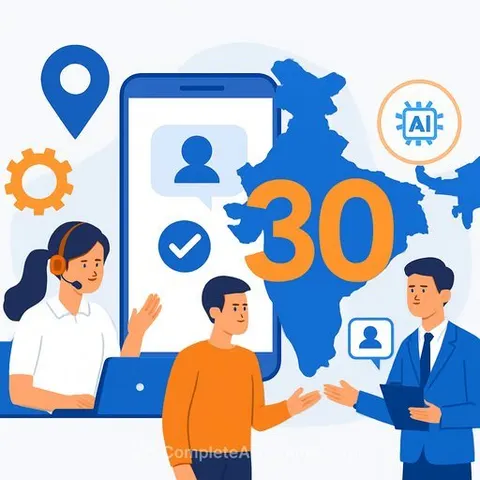
Samsung's 30-Year Service Evolution: From Paper Registers to AI Diagnostics
Samsung operates 3,000+ service touchpoints across India today, supported by 12,500 trained engineers and 16 parts warehouses. The scale reflects a three-decade transformation that mirrors India's own technological shift - from handwritten complaint registers in the mid-1990s to AI-powered customer support systems that predict problems before they occur.
When Samsung opened its first service centre in Delhi in March 1996, customer requests arrived on foot. Phones were uncommon in homes. Engineers carried logbooks and toolkits across cities, receiving alerts via pagers once that technology arrived in 1997.
Infrastructure Built on Scale
By December 1996, Samsung had expanded to 21 service centres. The company launched its first in-house call centre at Delhi's Nehru Place in 2003 and introduced a toll-free support number the same year.
Today's support spans multiple channels. Customers reach Samsung through 24/7 toll-free lines, WhatsApp, remote diagnostics, and online booking. Voice support operates in 10 Indian languages.
Predictive Care Through Connected Appliances
Samsung's current service model extends beyond reactive repair. Through SmartThings-enabled systems and Home Appliances Remote Management, connected devices now detect performance issues before failures occur.
A refrigerator alerts users if cooling efficiency drops unexpectedly. Air conditioners communicate maintenance needs proactively. This shift from "fix it when it breaks" to "prevent the break" changes how customer support teams allocate resources.
AI agents and automation handle initial triage. Intelligent co-pilots, speech-to-text systems, and sentiment analysis tools help service teams respond faster and identify customer frustration patterns.
Digital-First Service Options
Pick-and-drop service for smartphones removes the need for customers to visit physical centres. The Digital Service Center platform provides self-help videos, troubleshooting guides, and transparent pricing - letting customers solve problems independently.
This matters operationally. Fewer routine visits mean service centres focus on complex repairs. Support teams handle higher-value interactions.
Building the Workforce
Samsung operates four training academies and partners with 22 ITIs through its Dost Service initiative. The program has trained over 14,500 service engineers across India.
Sustaining 12,500+ active engineers requires continuous recruitment and skills development. Samsung's training infrastructure addresses the supply side of scaling service operations.
Sustainability in Service
Samsung's Care for Clean India initiative promotes responsible e-waste disposal through authorized recyclers. The program integrates environmental responsibility into the customer care model rather than treating it as separate.
For customer support professionals, this signals a trend: service departments increasingly own sustainability outcomes, not just repair metrics.