
AI news ·
Samsung marks 30 years of customer service in India with 3,000 touchpoints and AI-powered diagnostics
Samsung has run customer service in India for 30 years, growing from a single Delhi centre with handwritten complaint logs to 3,000+ locations and AI diagnostics that flag appliance faults before they occur.
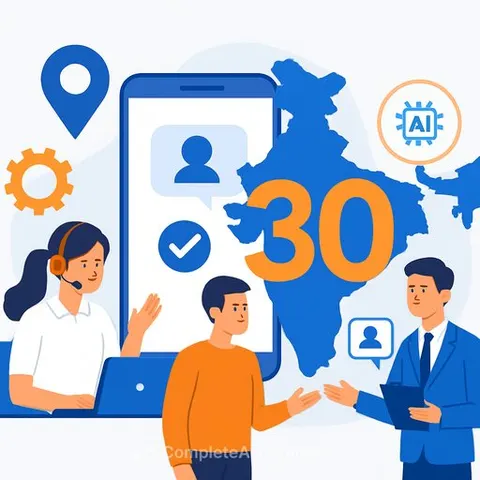
Samsung's 30-Year Customer Service Evolution: From Paper Logs to AI Diagnostics
Samsung operates 3,000+ service touchpoints and employs 12,500+ engineers across India, marking three decades since opening its first service centre in Delhi in March 1996. The company's customer support infrastructure now includes AI-powered diagnostics, remote support in 10 languages, and predictive maintenance systems that alert customers before appliances fail.
The scale reflects how far customer support has come. In 1996, Samsung's service operation relied on handwritten complaint registers and in-person visits. Engineers carried logbooks and paper slips. Phones were uncommon in Indian homes, so customers walked directly into service centres to request help.
The Early Years: Manual Processes and Pagers
By December 1996, Samsung had expanded to 21 service centres. In 1997, pagers arrived - engineers could now receive customer alerts without being physically present at a desk.
The 2003 launch of Samsung's first in-house call centre at Nehru Place in Delhi and a toll-free support number marked the shift toward centralized support. Franchise service centres grew across the country through the late 1990s and 2000s.
Building Scale and Infrastructure
Over two decades, Samsung transformed customer service from reactive support into an integrated technology ecosystem. Today, the company operates 16 strategically located parts warehouses and maintains service partnerships with 22 ITIs, having trained over 14,500 service engineers through its Dost Service skilling program.
"Customer service is not just a support function - it is a core part of the Samsung experience," said Sunil Cutinha, Head of Customer Satisfaction at Samsung India. "Our focus remains on delivering fast, transparent and reliable service that customers can trust every day."
AI and Predictive Care Replace Reactive Support
Samsung's SmartThings-enabled Proactive Care system uses Home Appliances Remote Management (HRM) to detect performance issues before they disrupt customers. A refrigerator can alert users if cooling efficiency drops. An air conditioner can notify about maintenance needs.
Support channels now include WhatsApp assistance, remote diagnostics, online appointment booking, and voice support in 10 Indian languages. The company added Pick and Drop service for smartphones and a Digital Service Center platform with self-help videos and transparent pricing.
AI for Customer Support technologies - intelligent co-pilots, speech-to-text systems, and sentiment analysis tools - help service teams respond faster and more empathetically to customer concerns.
Sustainability and Long-Term Relationships
Samsung's Care for Clean India initiative promotes responsible e-waste disposal through authorized recyclers, integrating sustainability into customer care.
Long-term customers describe consistent trust over decades. "Samsung has been a part of my life for three decades now. What has remained constant over the years is the trust and reliability associated with the brand," said Sanjeev Gupta, a customer from Ludhiana, Punjab.
For customer support issues, visit samsung.com/in/support.