HR in 2026: AI at the core, payroll in the spotlight, compliance getting tighter
AI is moving from experiments to everyday operations. HR teams in Singapore and across the region are shifting priorities as adoption grows and workforce expectations change.
According to recent guidance, organisations are rethinking HR capabilities, AI governance, skills design, and payroll delivery. The message is clear: build smarter systems, protect your data, and meet people where they are.
Where AI will add immediate value
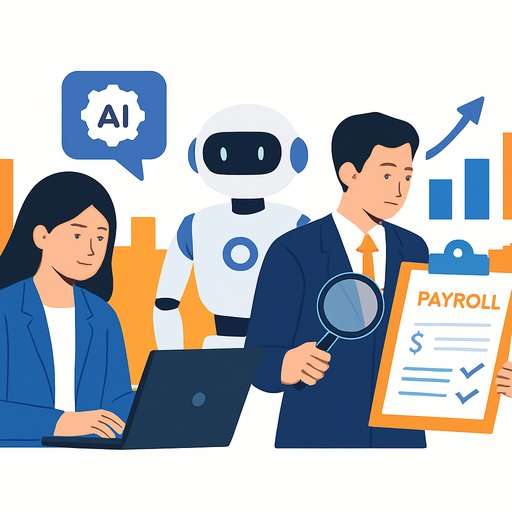
AI is increasingly embedded in payroll and HR operations. In Singapore, 51% of organisations see AI as important for improving payroll productivity.
- Agentic AI can automate parts of onboarding, document checks, and validation work.
- Managers get real-time insights on schedules, overtime, and headcount costs.
- Data-heavy tasks like payroll and benefits processing see fewer errors and faster cycle times.
Treat AI as a teammate for repetitive work, not a replacement for judgment. Keep humans in control at critical decision points.
Governance that keeps you safe
AI needs strong guardrails. That starts with secure, high-quality data and clear accountability between HR and IT; teams may also benefit from targeted leadership guidance such as the AI Learning Path for CIOs (Chief Information Officers) to design governance and cross-functional rollout.
- Establish an AI usage policy covering data sources, model oversight, and audit trails.
- Implement human review for sensitive outcomes (pay, hiring, performance, termination).
- Standardise data definitions across HRIS, payroll, and time systems to reduce drift.
For Singapore-based teams, align practices with guidance from the PDPC and employment rules from the Ministry of Manpower.
Closing the skills gap
Only 23% of workers in Singapore feel they have the skills to progress. That's a red flag for retention and mobility.
- Map current capabilities by function and level; make gaps visible to leaders.
- Redesign roles around skills and outcomes, not just titles and tenure.
- Offer flexible learning paths tied to real projects and internal gigs.
Use skills data to inform hiring, pay bands, and internal moves. The goal: faster upskilling and clearer career paths.
Payroll transparency is rising
35% of Singapore companies plan to improve payroll transparency over the next two to three years. Employees and regulators expect clearer pay decisions and cleaner data.
- Publish pay ranges in job ads and internal postings where feasible.
- Standardise pay rationales (skills, experience, performance) and train managers to explain them.
- Run pay equity checks quarterly; fix gaps with structured adjustments.
Transparency builds trust and reduces disputes. It also improves hiring efficiency and offer acceptance rates.
Cross-border teams, higher compliance load
As more teams operate across Asia, differences in payroll, data usage, working hours, and record-keeping add complexity.
- Create core global standards that protect workers' rights and apply local add-ons country by country.
- Centralise statutory calendars, file formats, and retention rules in one shared source of truth.
- Use vendors and tools that support multi-country payroll and compliance reporting out of the box.
90-day action plan for HR leaders
- AI: Pick two high-volume processes (e.g., onboarding verification, payroll queries) and pilot agentic AI with human oversight.
- Data: Clean your master data in HRIS and payroll; set owner, standard, and SLA for each core field.
- Transparency: Define pay bands for top 10 roles; brief managers and update job templates.
- Skills: Publish a skills framework, launch self-assessments, and tie training to priority gaps.
- Compliance: Build a cross-border checklist covering pay cycles, record-keeping, and data transfers.
- Operating model: Stand up a joint HR-IT working group to govern AI use cases and measure outcomes.
Key numbers to track
- Payroll accuracy and cycle time (pre- and post-AI introduction)
- Time-to-onboard and completion rate for compliance tasks
- Internal mobility rate and training completion tied to skills gaps
- Pay equity variance by role, gender, and location
- Compliance incidents and audit findings per quarter
AI will keep expanding across HR. Build on solid data, keep people informed, and make governance practical. Do that, and 2026 becomes a year of cleaner processes, clearer pay, and stronger teams.
Upskill your HR team in AI
Explore practical courses by job function to accelerate adoption: Complete AI Training - Courses by Job. Training leads may also find the AI Learning Path for Training & Development Managers useful for designing practical upskilling programs.
Your membership also unlocks: