Soft Skills Will Decide Who Thrives in the AI Era
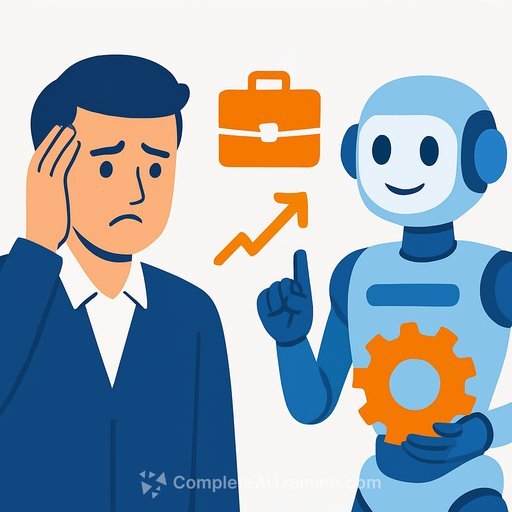
AI is reshaping work and cutting some roles. Last weekend, JPMorgan Chase CEO Jamie Dimon said he doesn't expect dramatic cuts in the next year, but "it will eliminate jobs."
His advice is blunt: build critical thinking, EQ, meeting skills, communication, and writing. "You'll have plenty of jobs," he said. He also warned that adoption may outpace retraining and called on companies and government to support relocation and income assistance.
"The next job may be a better job, but they have to learn how to do the job," Dimon added. "You can earn quite a bit of money with skills."
Since 2023, employers have cited AI in more than 70,000 announced job cuts as they automate grunt work and reorganize teams around new tools. Leaders across tech agree the human edge matters more, not less. Microsoft's Satya Nadella noted that as AI takes on analytical and technical tasks, emotional intelligence and empathy rise in value: "IQ has a place, but it's not the only thing that's needed." IBM's Ginni Rometty emphasized collaboration, judgment, and critical thinking-capabilities that don't come from a degree alone.
What this means for managers and HR
Treat AI as a force multiplier and rebuild roles around human strengths: judgment, context, and relationships. The goal isn't headcount first-it's capability first.
- Redesign roles: Pair AI tools with clear human ownership. Document what the system does and what people decide.
- Hire for soft skills: Use scenario prompts to test EQ, listening, and business writing. Portfolios beat resumes.
- Train at speed: Short cycles on structured thinking, facilitation, conflict skills, and concise writing. Treat prompting as business communication, not magic.
- Measure behaviors: Track meeting outcomes, cross-team collaboration, and clarity of decisions-not just output volume.
- Build mobility paths: Stand up a skills-first internal marketplace. Move people with 6-8 week reskilling sprints instead of long programs.
- Plan transitions: Map roles most exposed. Offer relocation and income support, and give workers a clear on-ramp to the next role.
Practical upskilling for your team
- Think in structures: Use MECE lists, first principles, and clear problem statements. Good thinking beats prompt tricks.
- Write to be used: One-page briefs, decision memos, and crisp status updates. Short, actionable, and free of fluff.
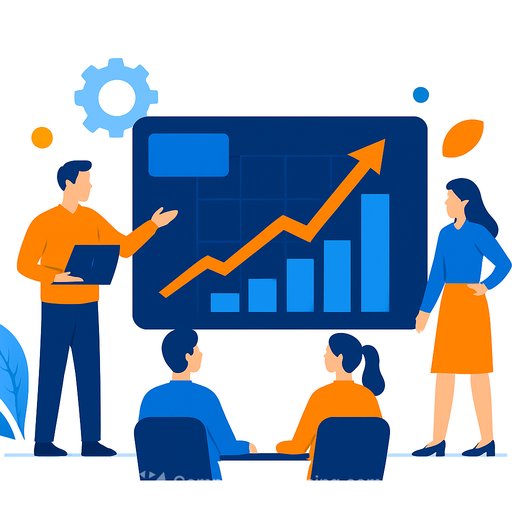
- Run better meetings: Tight agendas, decisions logged, owners assigned, and follow-ups sent within 24 hours.
- Practice EQ under pressure: Active listening, asking clarifying questions, and summarizing back what you heard.
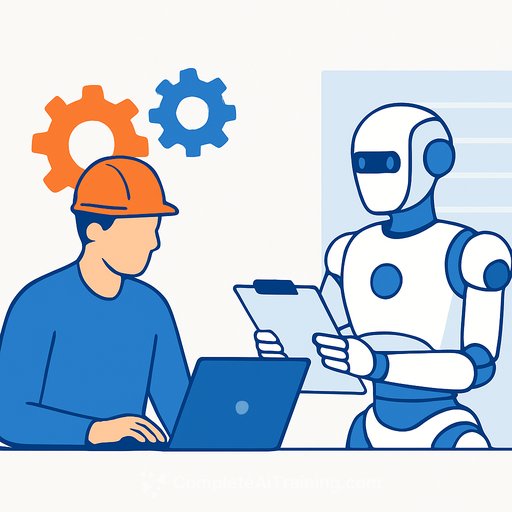
- Co-work with AI: Treat it like a junior analyst-give context, specify constraints, and review outputs with healthy skepticism.
- Build visible proof: Create an AI-augmented portfolio (dashboards, process docs, templates) that shows impact on speed, quality, and cost.
A simple playbook to start this quarter
- Pick three core workflows per team and define what's automated vs. human-owned.
- Run a 4-week sprint: business writing, meeting facilitation, and decision quality.
- Set a soft-skill scorecard (clarity, collaboration, accountability) and review monthly.
- Stand up an internal talent bench for roles likely to change; pair it with relocation and income support policies.
If you want a structured path, see curated learning by role and skill at Complete AI Training and browse focused tracks by capability at Courses by Skill.
For broader context on skill shifts, the Future of Jobs Report outlines rising human competencies alongside tech adoption.
Your membership also unlocks: