
AI news ·
South Korea moves to regulate AI-generated advertising images as fake reviews spread across beauty and dining sectors
South Korean plastic surgery clinics, salons, and dating apps are quietly replacing real customer photos with AI-generated images, often with no disclosure. Regulators plan new rules requiring businesses to label AI-generated figures in ads.
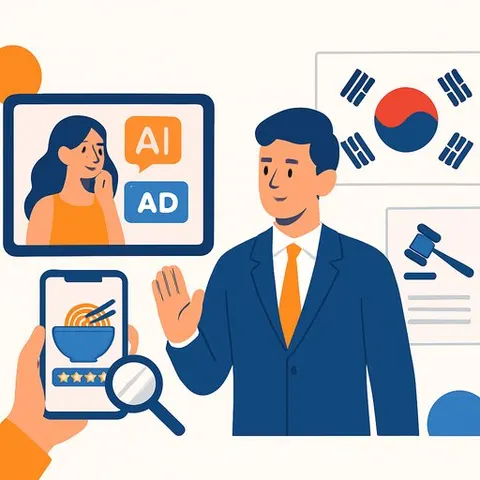
South Korea's Beauty and Dating Industries Flooded With AI-Generated Ads
Plastic surgery clinics, hair salons and dating apps across South Korea are replacing real customer testimonials with AI-generated images-often without disclosure-creating a credibility crisis for industries built on visual trust and word-of-mouth recommendations.
The practice has become widespread enough that consumers say they can no longer reliably distinguish fabricated images from genuine customer reviews. A Seoul resident in her 20s nearly booked a salon appointment based on attractive styling photos before realizing they were AI-generated and contained no disclosure.
How the Market Works
Freelance creators on outsourcing platforms now sell AI-generated promotional images for 10,000 to 30,000 won-roughly $8 to $23 per image. Businesses can customize age, appearance and atmosphere without hiring models or organizing photo shoots.
Customer reviews on those platforms openly boast that followers "cannot tell" the images are AI-generated. Some dating applications have used entirely fictional AI profiles-complete with occupations, ages and university affiliations-to market their platforms as real users.
The deception extends beyond beauty services. One restaurant posted an AI-generated image resembling a television news interview in which a woman praised the establishment's food. The image had no connection to any actual broadcast and was removed after online criticism.
What Regulators Are Doing
South Korea's Fair Trade Commission announced plans last month to revise advertising guidelines requiring businesses to disclose when virtual humans or AI-generated figures appear in endorsements. Advertisements based on fabricated experiences rather than actual customer use could be classified as unfair or misleading advertising.
The regulator said final rules will be confirmed after consultations with government agencies and industry stakeholders. The timeline reflects how quickly generative AI has outpaced existing advertising regulations.
The Trust Problem
Lee Eun-hee, a consumer studies professor at Inha University, said review images directly influence purchasing decisions. Presenting AI-generated content as real customer experiences amounts to deception, she said, and called for mandatory disclosure rules.
"As AI technology becomes more sophisticated, it is increasingly difficult for ordinary consumers to distinguish real images from fabricated ones," she said.
Consumer advocates warn the practice could erode trust across service industries that depend heavily on reputation. For marketing professionals, the regulatory shift signals that disclosure requirements are coming-and that campaigns built on undisclosed AI content carry legal and reputational risk.