
AI news ·
Taylor Swift trademarks her voice and likeness to guard against AI deepfakes
Taylor Swift filed three U.S. trademark applications to protect her voice and likeness from AI deepfakes. The filings cover audio clips and stage imagery, following similar action by Matthew McConaughey.
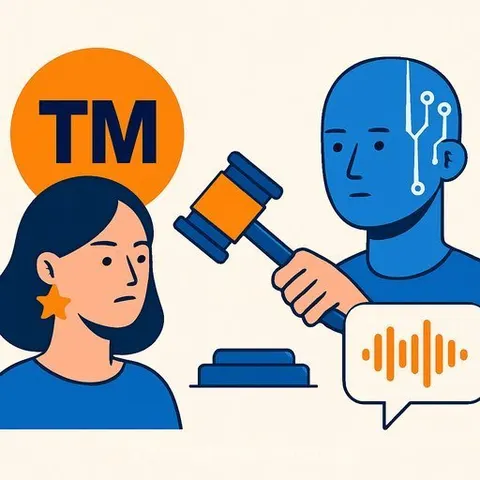
Taylor Swift trademarked her voice and image to fight AI deepfakes
Taylor Swift has filed three trademark applications to protect her voice and likeness from AI misuse. The applications include audio clips of her introducing herself and detailed imagery from her Eras Tour performances.
Swift's move follows similar action by actor Matthew McConaughey earlier this year. Both celebrities are using trademark law as a defense against generative AI and LLM technology that can create convincing deepfakes.
Why this matters for creatives
Swift's identity has already appeared in unauthorized AI deepfakes, ranging from fabricated political content to explicit imagery. The applications represent a shift in how public figures protect themselves as deepfake technology becomes more accessible.
Graeme Murray, trademark attorney at intellectual property law firm Marks & Clerk, said the filings mark "a pivotal shift from protecting art to protecting identity." By trademarking specific audio clips like "Hey, it's Taylor" and stage imagery, Swift creates legal boundaries around her likeness.
Trademark law traditionally protected names, logos, and slogans. Now it's being used to police voice modulation and image misuse where copyright falls short.
The protection has limits
Swift's applications cover only the United States. This leaves significant gaps in protection across the rest of the world, according to Iona Silverman, intellectual property and media partner at law firm Freeths.
Silverman noted that Swift is "known for taking protection of her intellectual property rights seriously." These filings show how celebrities and brands are treating trademark law as a practical tool against increasingly sophisticated digital copies.
The trend reflects a broader concern: as generative AI technology advances, the number of public figures seeking legal protection continues to grow.