
AI news ·
Texas Supreme Court to decide whether AI-generated transcripts can replace court reporters in depositions
Texas Supreme Court will hear arguments in October on whether AI-assisted transcription tools can legally replace certified court reporters in depositions. The ruling could set national precedent and put existing AI-generated transcripts at risk.
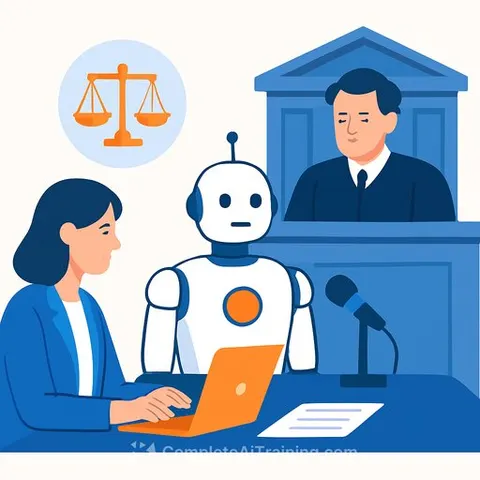
Texas Supreme Court to Rule on AI-Generated Deposition Transcripts
The Texas Supreme Court will hear arguments this October in a case that could determine whether AI-powered transcription tools can legally replace certified court reporters in depositions. The decision will set precedent across the country on whether courts accept AI-generated transcripts as valid legal records.
The dispute centers on Skribe.ai, a platform that records depositions via Zoom and generates transcripts using speech-to-text technology reviewed by a human transcriptionist. A plaintiff's attorney used the tool instead of hiring a traditional court reporter. The opposing party moved to strike the transcript, arguing Texas law requires a licensed court reporter to produce any written deposition record. The trial court agreed.
What the Court Must Decide
The Texas Supreme Court must answer whether existing state law prohibits AI-assisted transcription tools from producing legally usable deposition records. A 2023 legislative amendment changed the governing statute from "recorded" to "reported" and directed courts to construe it consistently with rules permitting non-stenographic alternatives-a shift the plaintiff's attorney argues explicitly allows AI tools. Opponents counter that no statute or rule authorizes an AI platform to produce an official legal record.
Immediate Stakes for Firms
If the court permits AI-assisted transcription, cost savings could reach 45% or more compared to traditional court reporting. For lower-value cases, that difference affects whether clients can afford depositions at all.
If the court prohibits it, AI-generated transcripts already in use across Texas litigation become vulnerable to challenge. Cases currently in progress could face immediate risk.
The ruling will influence how courts evaluate other AI-generated work product. Judges skeptical of AI transcripts today may apply the same scrutiny to AI-drafted documents, contract reviews, and other automated legal tools tomorrow.
The Broader Context
The shortage of certified shorthand reporters has worsened. The profession has declined 21% since 2015, creating scheduling delays and higher costs in many jurisdictions, particularly rural areas. Restricting AI tools would compound these pressures.
Similar objections to AI-assisted transcripts have already surfaced in at least two other Texas cases, signaling a growing conflict between advancing technology and the existing legal framework.
Why This Matters Now
AI for legal practice is advancing faster than courts can establish rules. This case represents an early reckoning with how the legal system will govern AI-generated records. Every firm evaluating AI-powered legal tools should monitor the court's decision closely.
Case: In re Hughey, 2025 WL 1523269 (Tex. App.-Beaumont May 29, 2025). Oral argument scheduled October 2026.