
AI news ·
Treating AI as a workplace employee makes human workers less accountable, study finds
Giving AI tools names and employee titles reduces human productivity and accountability, a BCG study of 1,200 professionals found. Workers caught fewer errors and blamed AI agents for mistakes instead of themselves.
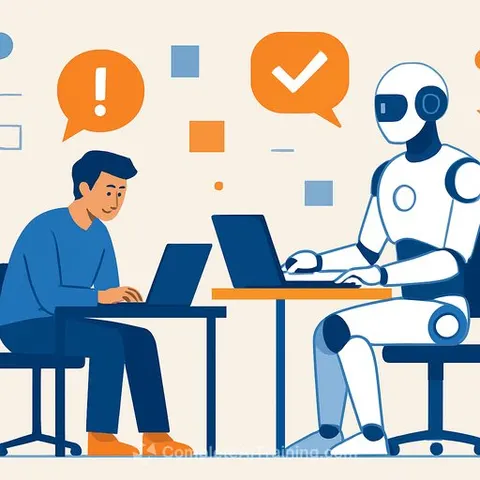
Study: Naming AI "Employees" Makes Human Workers Less Productive
Nearly one-third of U.S. and European managers now treat AI tools as teammates or employees, and more than 20% list them on organizational charts. A new study from Boston Consulting Group warns this practice backfires, reducing human performance and shifting accountability away from workers.
BCG researchers surveyed over 1,200 HR and finance professionals and tested how they reviewed workplace documents with intentional errors. The same document was attributed to three sources: a human employee, an AI tool, or a named AI "employee."
Participants reviewing work attributed to a named AI employee caught fewer errors than those reviewing the same content attributed to a human or unnamed AI tool. They also reported lower personal accountability, blaming the AI agent instead of themselves for mistakes.
The result: workers passed tasks to colleagues for review rather than taking responsibility themselves. "That's creating more work for somebody else in the organization, and therefore you're creating churn and excess overhead," said Matthew Kropp, a managing director at BCG.
Anthropomorphizing AI Backfires on Adoption
Managers who name AI systems and give them formal roles hoped to increase employee acceptance of the technology. The opposite happened. Participants assigned an AI "employee" reported 7% higher concern that AI would replace their jobs and 10% lower trust in how the company would deploy AI.
The study aligns with earlier research showing AI deployments often fail to deliver promised productivity gains. One study found experienced software engineers using AI took longer to complete tasks because they spent extra time debugging AI-generated code. Another BCG study documented "AI brain fry"-cognitive overload from using too many AI tools simultaneously, leading to more errors and reduced output.
How to Deploy AI Without Sacrificing Performance
Kropp said the research doesn't argue against using AI in the workplace. Instead, it shows that how companies frame and integrate AI matters significantly for outcomes.
The solution isn't removing AI from org charts or avoiding naming AI systems. Rather, managers need to actively manage the behavioral changes those decisions create. Clear role definitions help. So does ensuring employees understand they remain accountable for their work, including errors in how they use AI tools.
For AI implementation in Human Resources, this research carries direct implications. HR leaders managing AI adoption across their organizations should establish explicit accountability structures and monitor whether workers are shifting responsibility to technology rather than taking ownership of outcomes.
Those in executive HR roles may find additional guidance in the AI Learning Path for CHROs, which covers workforce analytics and technology strategy decisions like these.