
AI news ·
Unifor wins first school bus contract limiting AI discipline in Canada
Toronto school bus drivers ratified a contract barring AI-generated scores from being the sole basis for discipline. The deal, covering 500 Unifor members, is the first of its kind in the sector.
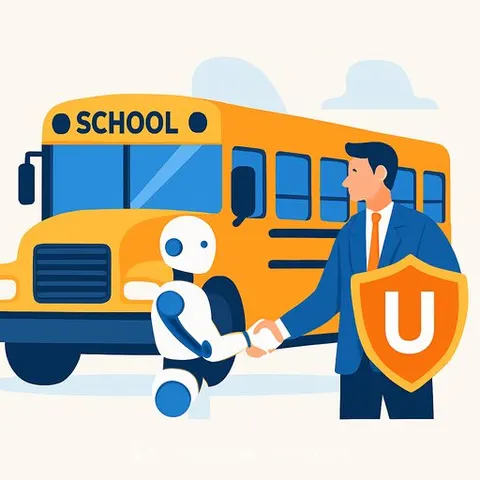
School Bus Union Wins Limits on AI Discipline in First Sector Agreement
Unifor members driving school buses in Toronto have ratified a contract that restricts how their employer can use artificial intelligence to monitor and discipline them. The agreement, covering roughly 500 drivers at Stock Transportation, marks the first such protections in the school bus sector and signals where labor negotiations are heading across industries.
The three-year deal includes wage increases and a detailed letter of agreement governing the company's shift from its existing DriveCam system to Samsara, an AI-powered camera and monitoring platform. The letter prohibits automated alerts, risk scores, and AI-generated driver ratings from becoming the sole basis for discipline.
Any disciplinary action now requires human investigation and review of video footage before it proceeds. The agreement also bans facial recognition through biometric data, sets limits on how long video is stored, restricts who can access footage, and limits live viewing of drivers.
How the Deal Came Together
Unifor Local 4268 members voted 98% in favor of strike action on April 23. A legal strike was set to begin May 9 before the tentative agreement was reached, avoiding disruption to student transportation for the Toronto District School Board and Conseil scolaire Viamonde.
Debbie Montgomery, president of Unifor Local 4268, said the bargaining committee focused on two demands: "wages that respect the work and protection from being managed by an algorithm."
The union did not disclose specific wage figures but said the package addresses members' pay concerns. Driver trainers received additional wage improvements.
What the Agreement Actually Restricts
The letter of agreement embeds human decision-making into the disciplinary process rather than allowing algorithms to determine outcomes independently. It confirms the union's right to grieve any discipline taken against members.
The restrictions reflect principles discussed at an International Conference on Artificial Intelligence at Work held in January. Valerio De Stefano of Osgoode Hall Law School warned there that algorithmic management leaves essential parts of work invisible while expanding unnecessary surveillance.
Researchers at the conference proposed a regulatory floor of protections: limits on data collection, transparency around how worker data is used, bans on fully automated terminations, and guaranteed human review of major decisions. The Stock Transportation letter incorporates these protections.
Why This Matters for HR Leaders
The International Labour Organisation has flagged AI adoption in workplaces as creating risks for psychosocial working conditions. Unifor says the agreement sets a precedent signaling that collective bargaining over monitoring technology, biometric data, and algorithmic discipline will intensify as more employers adopt similar systems.
Several Ontario employers already use AI surveillance. Amazon Canada uses algorithmic rate-tracking and "time off task" monitoring in fulfillment centers. TELUS mandates an AI "co-pilot" on retention calls. Bell Canada, Rogers Communications, and Walmart Canada have deployed AI for performance monitoring and message analysis. Loblaw Companies is piloting AI-enabled body-worn cameras.
The federal government introduced a tracking system in October 2025 to monitor compliance with its three-day in-office mandate, with capacity for automated or AI-driven monitoring.
Samsara, the platform Stock Transportation is adopting, markets itself on safety and coaching grounds rather than discipline. The company says its platform reduces crash rates by nearly 75% over 30 months. Samsara has not publicly commented on the Unifor agreement.
HR professionals managing AI implementation should expect unions to negotiate similar protections. The Stock Transportation agreement demonstrates that workers and their representatives are moving beyond accepting algorithmic management as inevitable.