AI could cut up to 3 million jobs by 2035 - here's the HR playbook
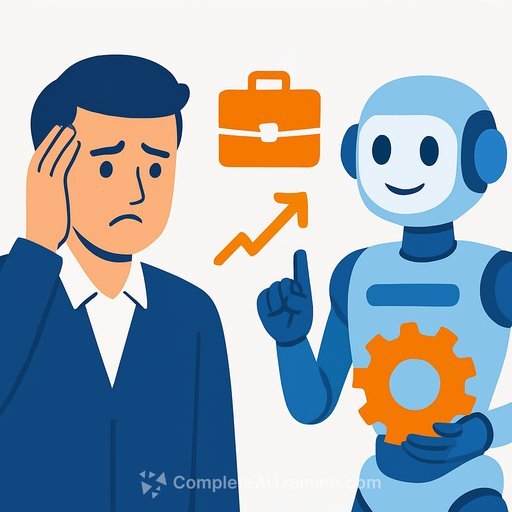
AI and automation could remove between one and three million UK jobs by 2035, with the sharpest declines in administrative, secretarial, customer service, and machine operations. That's the headline from new analysis by the National Foundation for Educational Research (NFER).
Overall employment is still expected to grow, but the growth sits in professional and associate professional roles - science, engineering, legal, and similar fields. Mid- and low-skilled roles will shrink faster than earlier forecasts suggested. The takeaway for HR: reskilling moves from "nice to have" to core business strategy.
What's at risk - and what grows
- At risk: Admin, secretarial, customer service, and machine operations. Expect accelerated decline.
- Growing: Professional and associate professional roles (science, engineering, legal, and related fields).
This shift is outlined in the final stage of The Skills Imperative 2035 programme funded by the Nuffield Foundation. It calls for a much stronger, lifelong approach to skills development across the workforce.
Employee sentiment: confident, but under-supported
- 65% of non-retired people feel confident they'll keep up with changing skills over the next decade.
- 53% think AI or automation will affect their job in the next 10 years; 32% think it's unlikely.
- 45% feel backed by their employer to develop new skills - 43% do not.
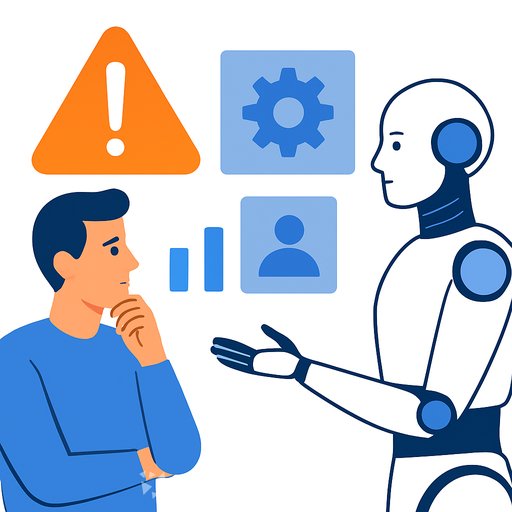
The gap is clear: employees want to grow, but nearly half don't feel supported. That's a risk for retention, productivity, and culture.
The skills HR should prioritise
- Digital and data fluency: basic automation, analytics literacy, data hygiene.
- AI collaboration skills: prompt quality, workflow design, tool selection, evaluation.
- Human strengths: problem solving, communication, judgment, stakeholder management.
- Operational improvement: process mapping, QA, compliance, and service design.
90-day plan: momentum over perfection
- Run a skills audit for admin, customer service, and operations. Map "at-risk" roles to near-term adjacencies.
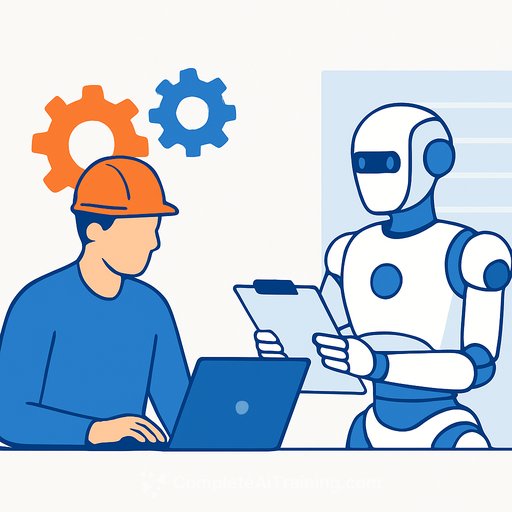
- Create role blueprints that combine people + AI. Define what gets automated, what gets augmented, and what stays human.
- Launch a focused learning sprint (6-8 weeks): data basics, AI-use policies, prompt quality, and workflow automation.
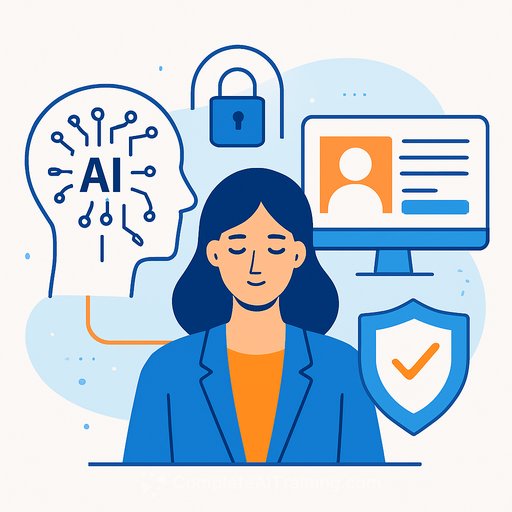
- Stand up an AI usage policy covering data privacy, approved tools, accuracy checks, and accountability.
- Pilot two high-volume processes for automation or augmentation. Measure time saved and error reduction.
12-month roadmap: build a skills-first organisation
- Adopt a skills taxonomy (e.g., ESCO/O*NET) and shift job architecture to skill-based hiring and progression.
- Stand up internal mobility with clear pathways from at-risk roles to growing roles; offer paid learning time.
- Expand micro-credentials for data literacy, automation, and AI-supported workflows; reward completion.
- Embed change support: manager training, communities of practice, and fair selection for reskilling.
- Partner externally with education and training providers to fill critical gaps at scale.
Measure what matters
- Skills coverage: % of critical roles with defined skill profiles and proficiency baselines.
- Participation: learning hours per FTE, completion rates, and certification rates.
- Mobility: internal fill rate for growth roles; time-to-competence for reskilled employees.
- Productivity: time saved, error rates, customer satisfaction, and quality metrics from AI-enabled workflows.
- Equity and ethics: access to learning, fair selection for programs, and bias checks in AI-supported processes.
Communication and care matter
Be honest about risk, clear about support, and specific about what employees can do next. Offer funded learning time, coaching, and internal internships so people can prove skills on real work.
As Jude Hillary, NFER's co-head of UK policy and practice, put it: "The time has come to tackle this critical challenge head-on, and we all have a role to play. Meeting projected skills shortages means a collective response from government, employers and across the education and skills systems."
Resources
- National Foundation for Educational Research (NFER)
- Nuffield Foundation
- Complete AI Training: courses by job
Bottom line for HR
This isn't about replacing people. It's about redesigning work, reskilling at speed, and building a fair path from roles that fade to roles that grow. Start now, measure impact, and keep the door open for every employee willing to learn.
Your membership also unlocks: