
AI news ·
Visa report finds AI helps scammers impersonate trusted contacts at greater scale
Visa's Spring 2026 Threats Report finds fraudsters using AI to clone voices, create deepfakes, and send thousands of personalized phishing messages. Criminals now exploit public social media data to build false trust with targets.
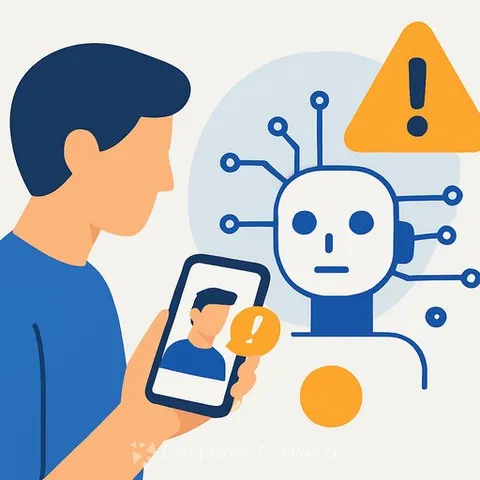
AI-Powered Financial Scams Are Reaching More Victims, Visa Report Finds
Fraudsters are using artificial intelligence to impersonate trusted sources and run scams at scale, according to Visa's Spring 2026 Biannual Threats Report. The payment company found that criminals deploy AI in two primary ways: creating convincing impersonations and automating fraud across thousands of targets simultaneously.
Paul Fabara, chief risk and client services officer at Visa, said the threats are evolving faster than the defenses meant to stop them.
How AI Changes the Scam Playbook
Voice cloning has emerged as a particularly effective tool. Criminals can now replicate someone's voice using only a short audio sample, making scam calls far more believable. Deepfake videos, fake customer support interactions, and highly personalized phishing campaigns that exploit publicly available data are also becoming common.
On the scale side, AI allows fraudsters to rapidly generate thousands of tailored messages instead of sending generic phishing emails. This personalization makes recipients more likely to open messages or respond.
"These attacks are becoming more sophisticated because they are designed to exploit human trust and behavior, rather than simply targeting technical vulnerabilities," Fabara said.
Red Flags to Watch For
Some traditional warning signs remain reliable. Be suspicious if someone pushes you to act quickly or creates a false sense of urgency. Anyone asking for money should raise immediate concern.
New red flags require awareness of how scammers combine emotional manipulation with personal details. A caller might know your birthday or that you're traveling next week - information you posted on social media - to build false credibility.
Fabara recommends families establish verification phrases or questions that could never be found online. Use these when someone calls claiming to be a trusted contact.
What to Do If You're Targeted
Act quickly if you suspect you're a victim. Contact your financial institution using the number on the back of your card or the fraud department number from their official website. Never trust caller ID showing your bank is calling - that can be spoofed.
Document everything related to the scam. This paper trail helps banks identify patterns and warn other customers.
Then secure your accounts. Change passwords, enable multi-factor authentication, and monitor your accounts for suspicious activity.
Fabara encouraged victims not to blame themselves. "Scammers are good at what they do, and schemes are becoming increasingly sophisticated, highly personalized and difficult to detect, even for experienced users," he said.
For customer support professionals handling fraud reports, understanding these AI-driven tactics is essential. Learn more about AI for Customer Support to better assist customers reporting scams.