
AI news ·
Voice technology shifts customer service from automation to conversation
By July 2026, most customer support calls start with voice AI that interprets intent and speaks naturally. This shift helps companies handle growing volumes with faster, more personalized service.
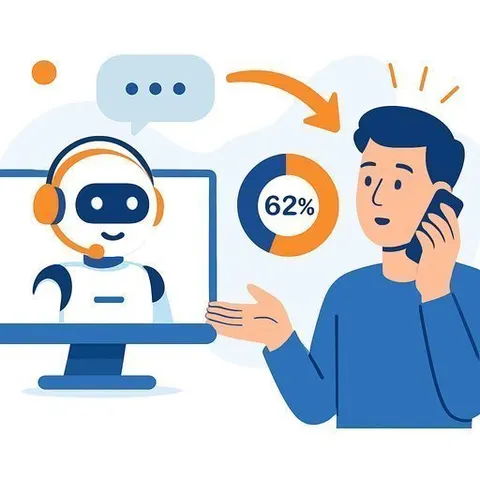
By July 2026, most customer support calls begin with a voice-powered system that understands intent and responds in natural language, moving far beyond the rigid keypad menus of earlier decades. This shift lets organizations manage growing service volumes while delivering faster, more personalized experiences.
From IVR to conversational AI
Automated customer service began with Interactive Voice Response (IVR) systems designed to handle call routing, account inquiries, and appointment confirmations using telephone keypads. The technology cut costs, but long menu trees and limited flexibility often left callers frustrated.
Speech recognition arrived next, allowing customers to speak simple requests instead of pressing numbers. Early tools struggled with accents and background noise, yet they made interactions more intuitive. By the early 2000s, companies were layering these capabilities onto their phone systems, taking the first steps toward conversational support.
The breakthrough came with artificial intelligence, machine learning, and natural language processing. Modern voice platforms interpret context, parse complex requests, and generate real-time replies. Rather than forcing callers through fixed scripts, the systems adapt during a conversation - a change that reframed voice technology from a cost-cutting tool into a engagement and insights asset.
How customer support teams use voice technology today
Virtual assistants and conversational AI now handle routine work: providing account details, processing service requests, walking customers through troubleshooting steps. These systems run 24/7, cutting wait times and freeing human agents for higher-complexity cases. Many of these deployments sit within broader AI for Customer Support initiatives that combine speech tools with analytics and authentication.
Intelligent call routing uses real-time analysis to match callers with the right department or specialist. This reduces transfers and lifts first-contact resolution rates. Voice authentication verifies identities through vocal characteristics instead of security questions, improving both security and convenience in banking, insurance, and telecom sectors.
Speech analytics tools mine conversations for patterns, sentiment, and recurring complaints. Organizations use that data to spot service gaps, adjust processes, and identify emerging customer needs before they surface in surveys.
Benefits and real-world constraints
Automated voice systems handle large inquiry volumes without adding headcount, giving teams scalability during peak periods. Faster responses, shorter hold times, and self-service options raise customer satisfaction - a competitive lever in markets where experience determines loyalty. Conversation data also feeds strategic decisions, revealing early signals about product issues or market shifts.
Accuracy still slips in environments with multiple accents, languages, or background noise. Companies operating across regions must verify their voice tools work for diverse speaker populations. Privacy is another pressure point. Voice recordings often contain sensitive personal information; managing that data securely and in line with evolving regulations is non-negotiable for maintaining trust.
Automation also sits in tension with human availability. Many customers want quick self-service for simple tasks but prefer a live agent for emotionally charged or complex problems. The strongest support strategies combine technical efficiency with clear paths to a person.
The next phase of voice-driven service
Generative AI will push conversational systems further, enabling them to handle nuanced requests with greater flexibility and accuracy. Advances in multilingual processing will help businesses serve global customer bases without forcing speakers into a single language. At the same time, emotional recognition capabilities are being refined, letting systems adjust tone or escalate when a customer shows frustration.
Why this matters for customer support professionals
Voice technology is reshaping what customers expect when they call. Support teams that understand how these tools route, authenticate, and analyze interactions can design better workflows and advocate for the right mix of automation and human touch. The professionals who learn to manage and refine these systems - rather than simply react to them - will own a growing share of strategy decisions in their organizations.