
AI news ·
Waymo's new Zeekr RT robotaxi drops steering wheel and pedals as driverless vehicle design shifts
Waymo's new Zeekr RT minivan has no steering wheel, pedals, or driver's seat - passengers sit on facing benches inside the sky-blue van. Regulators are still catching up, keeping most steering-wheel-free robotaxis in pilot programs.
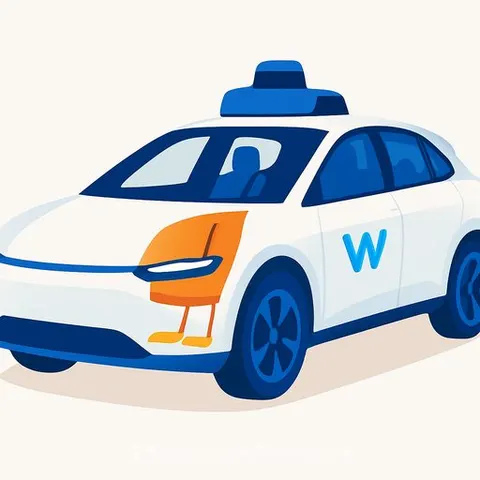
Waymo's New Robotaxi Ditches the Steering Wheel
Sky-blue minivans without steering wheels or pedals have been operating in Silicon Valley since last month. Waymo and Zeekr, a subsidiary of Chinese automaker Geely, jointly developed the Zeekr RT, marking a shift toward vehicles designed specifically for autonomous operation rather than adapted from human-driven designs.
The interior removes traditional driver controls entirely. Four passengers sit facing both directions on benches, with displays showing maps and operational status replacing the dashboard. There is no distinction between driver and passenger seating.
From Modified Vehicles to Purpose-Built Designs
Until recently, robotaxi operators used existing passenger vehicles. Waymo previously deployed the Jaguar I-PACE with its steering wheel and pedals intact. Tesla's robotaxi service in Austin uses the Model Y without modification. Both companies retained these features despite autonomous systems making them unnecessary.
Safety concerns drove this conservatism. Regulators required the ability for human intervention while autonomous technology remained unproven. Familiar vehicle layouts also reduced passenger resistance to driverless service.
As the technology matures and regulatory confidence grows, manufacturers are removing unnecessary components and adding features optimized for AI operation. Tesla's Cybercab prototype seats two passengers. Zoox, an Amazon subsidiary operating driverless taxis in Las Vegas, uses an interior structured like a carriage with passengers facing each other.
The reasoning is operational. Robotaxis primarily serve one- or two-person urban trips. Removing empty driver seats improves energy efficiency and passenger capacity. Some designs include small desks for laptop work.
Regulatory Review Slows Adoption
Vehicle safety standards were written for human-operated cars. Robotaxis without steering wheels or pedals remain largely in pilot programs because they don't comply with existing regulations.
The National Highway Traffic Safety Administration is reviewing Zoox's driverless vehicles for non-compliance with current safety standards. This regulatory barrier means new robotaxi designs advance in testing phases while regulators evaluate whether existing rules apply or new ones are needed.
For operations professionals managing autonomous vehicle fleets, understanding these design changes and regulatory constraints is essential. Learn more about AI for Operations and how autonomous systems affect fleet management and logistics.