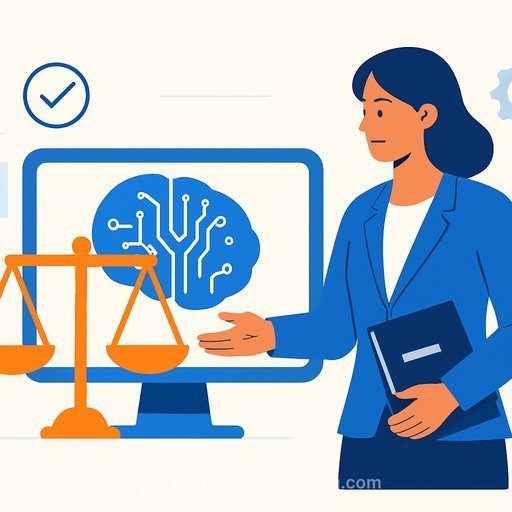
Ethical Frameworks Are Essential for AI in Strategic HR
AI in HR can speed up recruiting, performance support, and workforce planning - but without clear ethics, it puts your brand, compliance, and people at risk. The solution is simple: set guardrails before scale. Below is a practical framework any HR team can implement in weeks, not months.
Why this matters for HR
- Bias and fairness: Algorithms can reinforce past inequities if left unchecked.
- Compliance and audit: Regulators expect documentation, testing, and oversight.
- Trust and adoption: Employees accept AI when it's transparent, optional for sensitive cases, and accountable.
- Business value: Clear rules speed approvals and reduce rework.
The HR AI Ethics Framework (8 pillars)
- 1) Purpose and limits - Define the decision type, context, and what AI will not do (e.g., no fully automated hiring decisions).
- 2) Data rights and privacy - Use only necessary data, document legal bases, set retention windows, and honor employee requests.
- 3) Fairness and bias controls - Test for disparate impact (e.g., 80% rule), document thresholds, and implement remediation steps.
- 4) Transparency - Tell candidates and employees when AI is used, why, and how to request human review.
- 5) Accountability - A human owns each AI-assisted decision. Create an appeal path and SLA for responses.
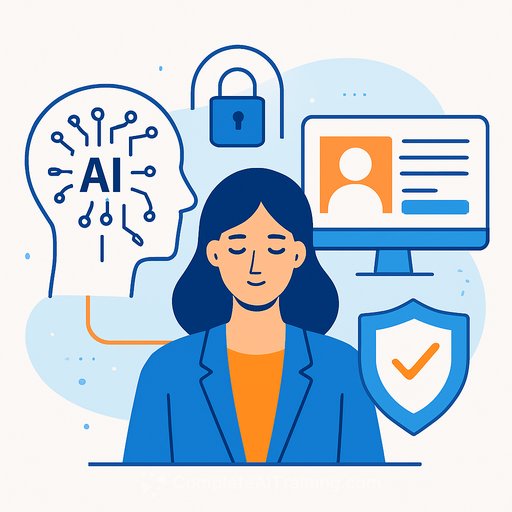
- 6) Security - Classify data, restrict access, and prevent sensitive data from feeding public models.
- 7) Vendor governance - Require bias reports, model cards, security attestations, and ongoing monitoring.
- 8) Lifecycle oversight - Approve, test, launch, monitor, and retire systems with clear checkpoints.
Governance that actually works
Create a small AI Review Board led by HR with Legal, DEI, IT Security, and the business owner. Keep it lightweight: intake form, risk tiering, and a standard checklist for approval. For high-risk use (hiring, promotion, termination), require pre-launch testing and quarterly reviews.
Process: from idea to audit
- Intake - Describe use case, affected people, data sources, decision impact, and vendor details.
- Risk tier - Classify by impact on employment decisions and data sensitivity.
- Testing - Validate accuracy, false positive/negative rates, and fairness across protected groups.
- Controls - Set who can override, when human review is mandatory, and how to log decisions.
- Launch - Publish a short notice explaining AI use and employee rights.
- Monitor - Track drift, complaints, adverse impact, and security incidents. Re-test on model or data changes.
- Retire - Decommission responsibly and remove retained data per policy.
Metrics you should track
- Selection rate ratios by protected group (target: avoid adverse impact under the 4/5 rule).
- Model error rates on relevant subgroups.
- Review and appeal volumes, time to resolution, and outcomes.
- Data retention compliance and access violations.
Policy language you can adapt
- Disclosure: "We may use AI to support decisions. A qualified human reviews material outcomes upon request."
- Prohibited uses: "No fully automated decisions for hiring, promotion, pay, or termination."
- Bias testing: "All high-impact AI undergoes pre-launch and quarterly fairness testing with documented results."
- Data handling: "Use minimal data, restrict access, and delete per retention schedules. No sensitive data in public tools."
Vendor checklist (make it contractual)
- Model card or equivalent: purpose, data sources, known limits.
- Bias/impact testing results relevant to your population.
- Security attestations (e.g., SOC 2), incident response, and data residency.
- Admin controls for audit logs, access, retention, and opt-outs.
- Right to audit and re-test after model updates.
Change management and training
Brief managers on what the tool does and where it can fail. Train recruiters and HRBPs on bias signals, proper prompts, and escalation paths. Tell employees how to ask questions or opt for human review on sensitive matters.
Compliance signals to watch
- High-risk decisions (hiring, promotion, termination) demand strong testing and human oversight.
- Keep evidence that you assessed risk and acted on findings.
- Map your program to an external standard for credibility and audit readiness.
Helpful references
Quick-start checklist (2-week sprint)
- Stand up the AI Review Board and approve the 8-pillar framework.
- Inventory current and planned AI-in-HR uses; tier by risk.
- Publish a one-page AI-in-HR notice for employees and candidates.
- Run fairness tests on at least one high-impact use and document results.
- Add vendor requirements to all new contracts and renewals.
Where to skill up your HR team
Give your team practical training on prompts, oversight, and bias testing so policies turn into practice. These resources can help:
Bottom line: AI belongs in strategic HR - as long as ethics leads the build. Put the framework in place, measure what matters, and keep a human accountable for every decision that affects someone's work and livelihood.
Your membership also unlocks: