AI tool
Airbyte Agents
Airbyte Agents provides a Context Store that syncs business data across tools, giving production-grade AI agents unified, queryable context-cutting API calls and token use while offering MCP, SDK, and a no-code Agents UI.
About Airbyte Agents
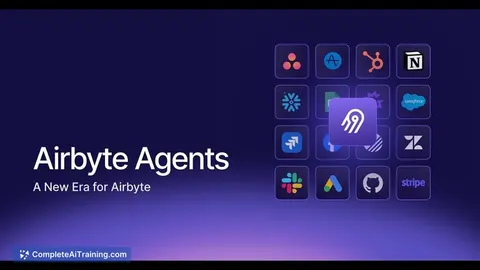
Airbyte Agents is a context layer for production-grade AI agents that centralizes business data into a queryable Context Store. It continuously replicates data from many connectors so agents can reason across systems without calling each API at runtime.
Review
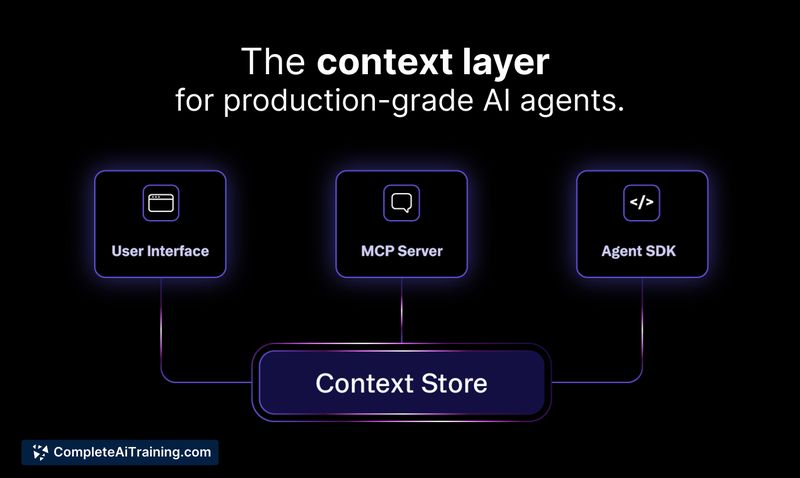
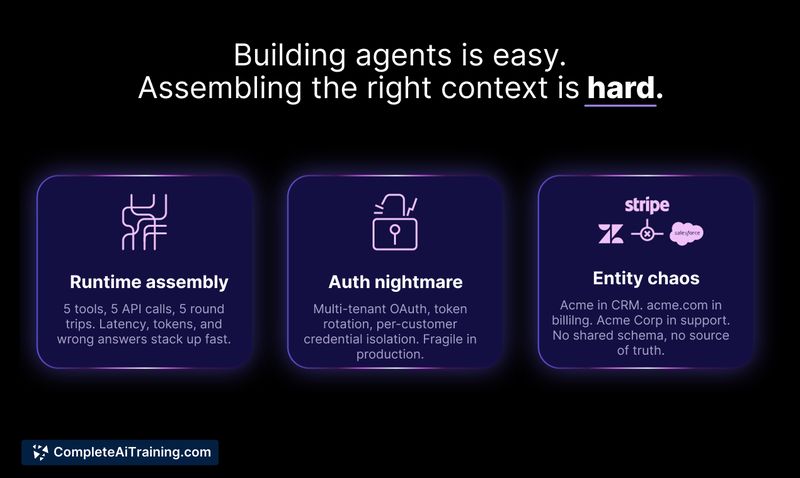
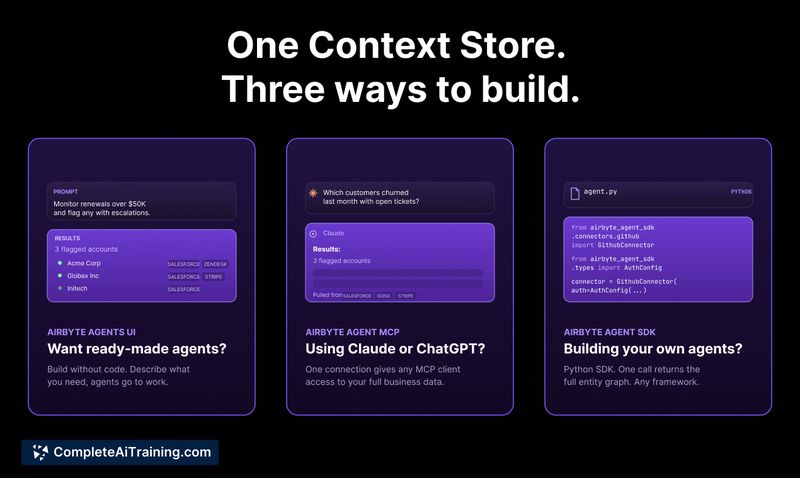
Airbyte Agents addresses a common gap for teams trying to put AI agents into production: agents often lack a unified view of business state and end up making costly, redundant API calls. The product offers three integration paths (MCP Server, Agent SDK, and a no-code Agents UI) on top of a Context Store that aims to reduce both tool calls and token consumption in real deployments.
Key Features
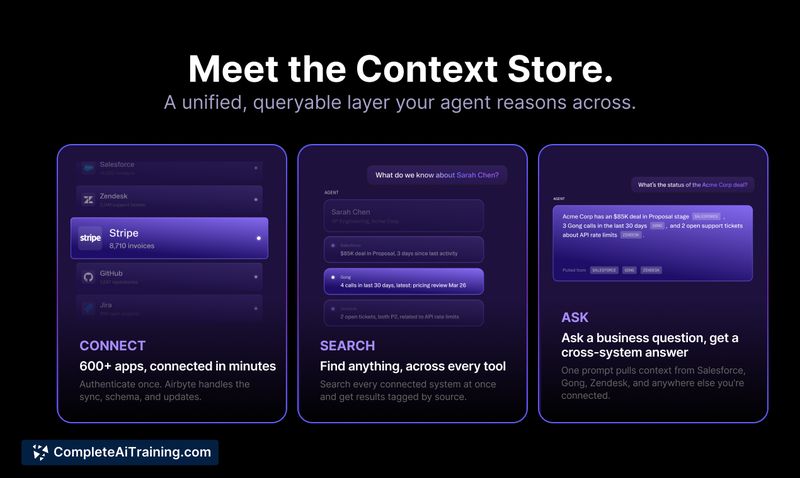
- Context Store: A unified, queryable layer that continuously replicates customer records, tickets, deals, invoices, and conversations so agents can search across systems without repeatedly calling APIs.
- Three entry points: MCP Server for LLM integrations, an Agent SDK for programmatic control, and a no-code Agents UI with human-in-the-loop capabilities.
- Connector library: 50+ prebuilt connectors with ongoing additions; several connectors already support write operations in addition to read.
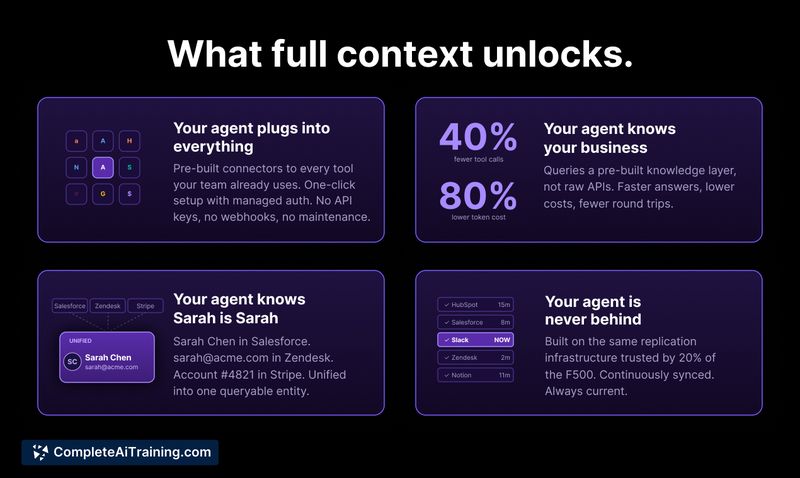
- Operational efficiency: Reported reductions of about 40% fewer tool calls and up to 80% fewer tokens, driven by replication and search-optimized indexes.
- Production considerations: Built with features to handle multi-tenant auth, token rotation, and per-customer credential isolation to reduce maintenance burden.
Pricing and Value
There is a free plan available to all users, and existing customers of the underlying platform receive three months of the Team tier (which includes more advanced features). The pricing model appears to follow a freemium-to-paid approach where basic access is free and higher tiers add operational and administrative capabilities. The primary value is reduced engineering time for connectors, fewer runtime API calls, and lower token costs-benefits that can compound for teams running agents at scale. Because the product is early, teams should weigh the immediate operational gains against the potential need to provide feedback and adapt as features evolve.
Pros
- Provides a single, searchable context layer so agents can reason across systems without stitching raw API responses at runtime.
- Multiple integration paths accommodate fast prototyping (UI), LLM-hosted flows (MCP), and full developer control (SDK).
- Measured efficiency improvements in tool calls and token usage, which can lower recurring runtime costs.
- Connector set and replication infrastructure reduce the repeated cost of building and maintaining bespoke integrations.
Cons
- The product is early and still expanding features; teams may encounter missing capabilities or rough edges depending on their use case.
- Not all connectors support write operations yet, which may limit some end-to-end agent workflows.
- Adopting a centralized Context Store introduces an operational dependency and potential migration considerations for existing pipelines.
Overall, Airbyte Agents is best suited for engineering teams and organizations that are actively deploying AI agents and need a scalable way to provide consistent context across multiple systems. It makes the most sense for groups that want to reduce connector maintenance, lower token and API costs, and are willing to engage with an early-stage product as it matures.
Jobs Airbyte Agents suits
We checked Airbyte Agents against 500+ jobs; these get the most out of it.
Alternatives to Airbyte Agents
Other tools that do the same main job. Our AI compared Airbyte Agents with similar tools and kept the ones you could use instead.