AI tool
Android 17
Android 17 is an intelligence system that provides developers and users with AppFunctions. It also introduces Android MCP while enforcing adaptive-first app requirements. The update includes stronger privacy controls.

About Android 17
Android 17 is the latest release of the Android platform, framed as a shift from a traditional operating system to an intelligence system. It introduces AppFunctions, Android MCP, adaptive-first app requirements, and a set of new APIs. The release is aimed at developers building AI-integrated, multi-surface applications.
Review


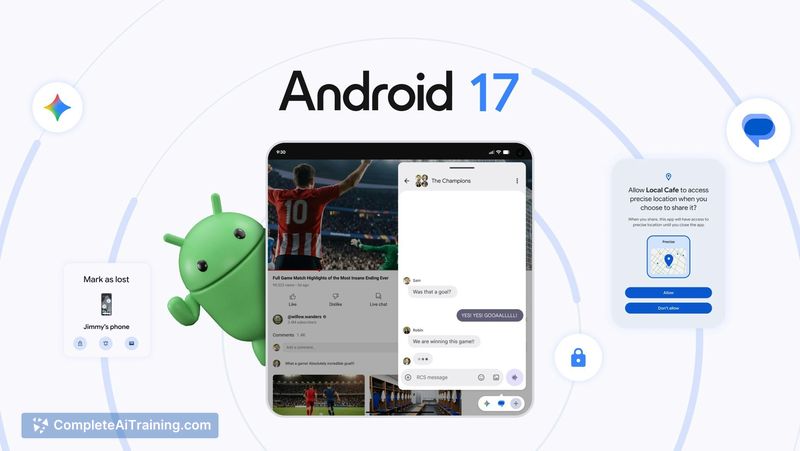
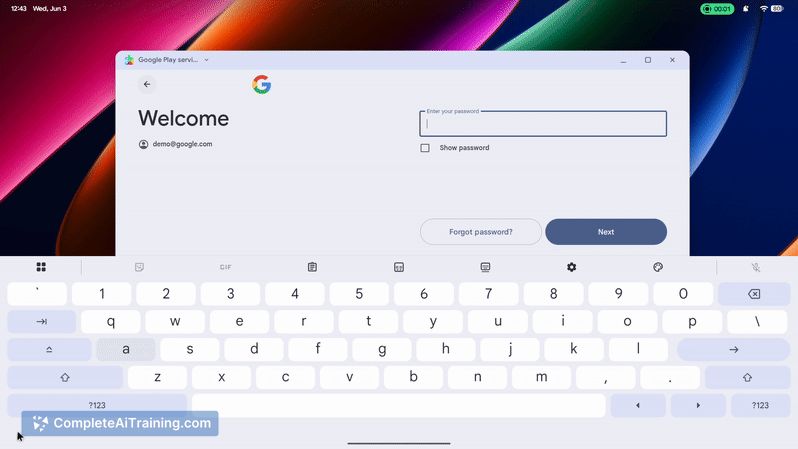

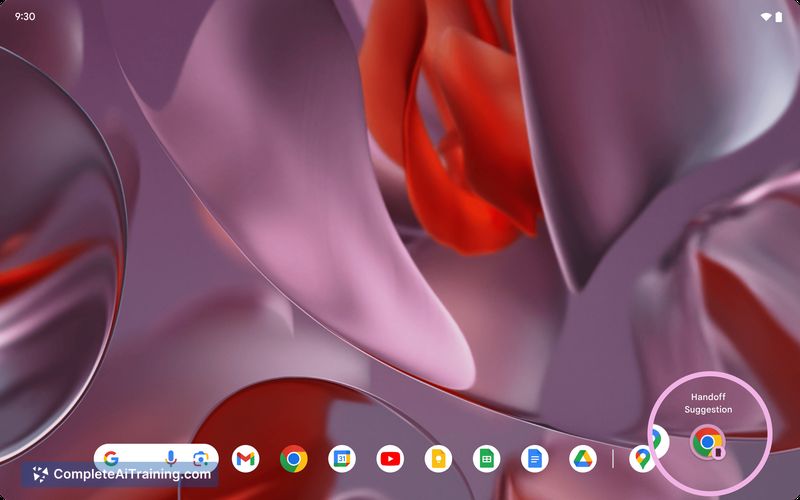
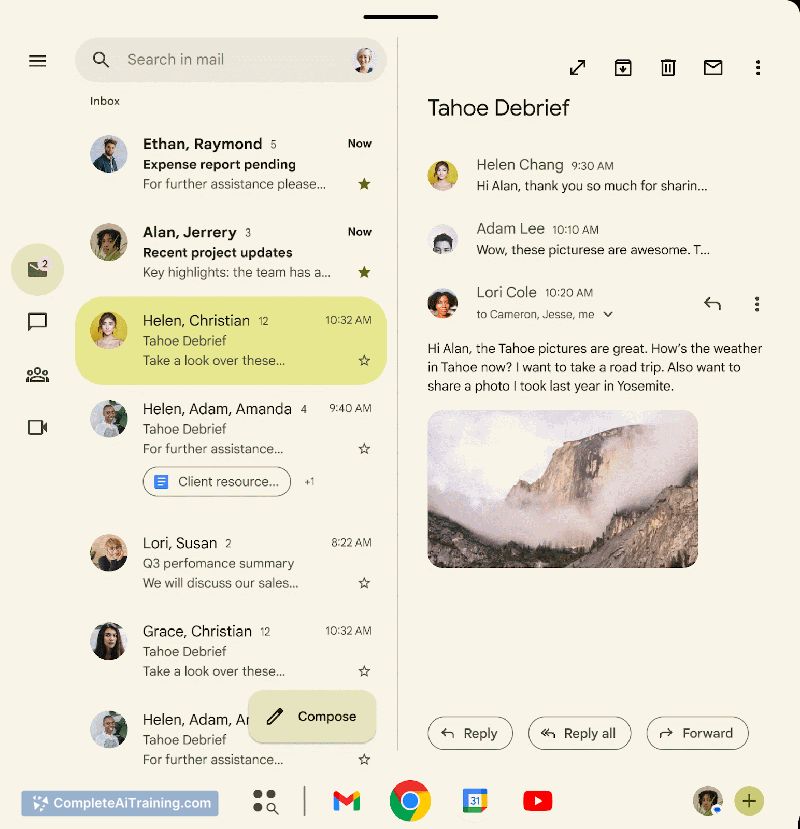
Android 17 repositions the platform around agent-based interaction. Instead of only responding to touch and UI, apps can now expose their core actions as callable tools for AI assistants like Gemini. The update also mandates that app interfaces adapt across phones, tablets, foldables, desktop windows, and floating bubbles.
Key Features
- AppFunctions lets an app define its own local actions that become discoverable tools for Android MCP.
- Android MCP enables assistants to query those actions and run workflows with direct access to the app's local state.
- Adaptive-first app requirements require developers to design UIs that work across phones, tablets, foldables, desktop windows, App Bubbles, and handoff surfaces.
- App Bubbles provide a floating interface for apps, expanding multi-window and overlay capabilities.
- Continue On supports handoff of tasks between devices, tied to the multi-surface design model.
Pricing and Value
Android 17 is listed as free on its launch page. There are no paid tiers or subscription details mentioned. Developers can access the platform and tools without charge.
Pros
- AppFunctions standardizes a way for apps to make their actions available to AI assistants.
- Android MCP lets assistants combine app capabilities and run workflows on local data.
- Adaptive-first rules push apps toward a single codebase that works across many form factors.
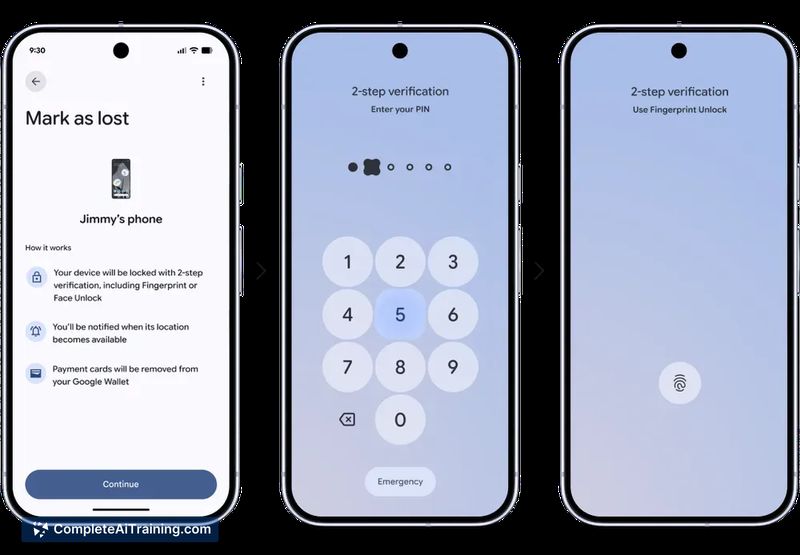
- Stronger privacy controls and memory limits are bundled with the release.
Cons
- The decentralized AppFunctions model could lead to inconsistent tool naming and discovery fragmentation at scale-similar to issues seen with iOS Shortcuts.
- The multi-surface adaptive layout mandate has been promised for years, but a concrete use case that works only with this architecture hasn't been publicly shown.
- Not well suited for developers who need a stable, widely adopted AI agent interaction model; Android 17's intelligence layer is in early release and may evolve substantially.
Android 17 fits teams that want to build apps closely integrated with assistants like Gemini and are ready to design for many screen types from the start. It targets early-adopting developers comfortable experimenting with a new app-to-agent interaction model. Developers prioritizing stable, single-form-factor apps with established patterns may find the shift disruptive.
Jobs Android 17 suits
We checked Android 17 against 500+ jobs; these get the most out of it.