AI tool
Appwrite 2.0
Appwrite 2.0 is a backend platform for developers to build web and mobile applications. It provides authentication, databases, storage, and server-side functions with new support for relational, schemaless, and vector data.
About Appwrite 2.0
Appwrite 2.0 is the second major generation of the open-source cloud development platform. It replaces the underlying engine, rebuilds the Console, and expands what a single project can hold-adding native PostgreSQL and MySQL engines, S3-compatible storage, an OAuth 2.1 and OIDC-compliant identity provider, and a new network layer. The platform targets developers and coding agents who work with standard protocols rather than proprietary abstractions.
Review
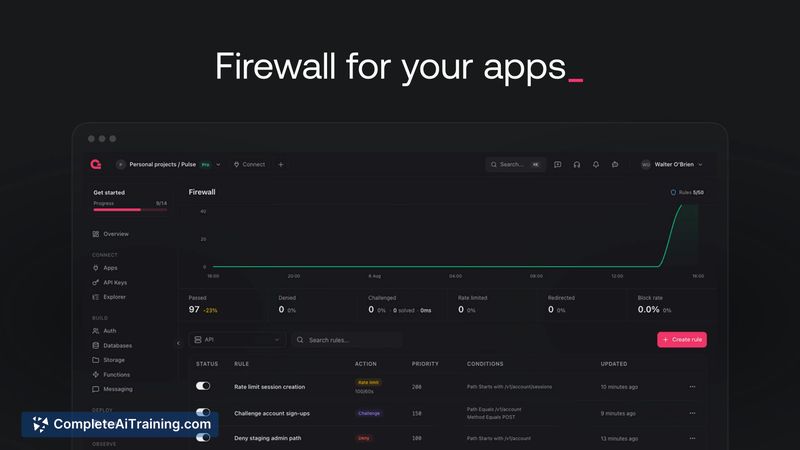
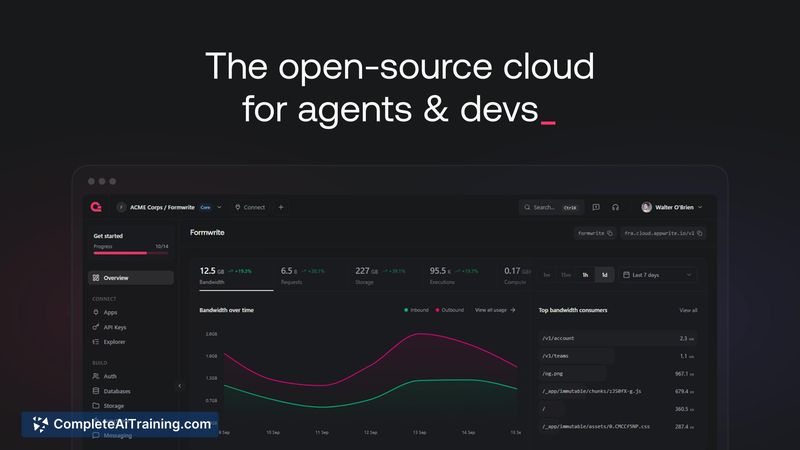
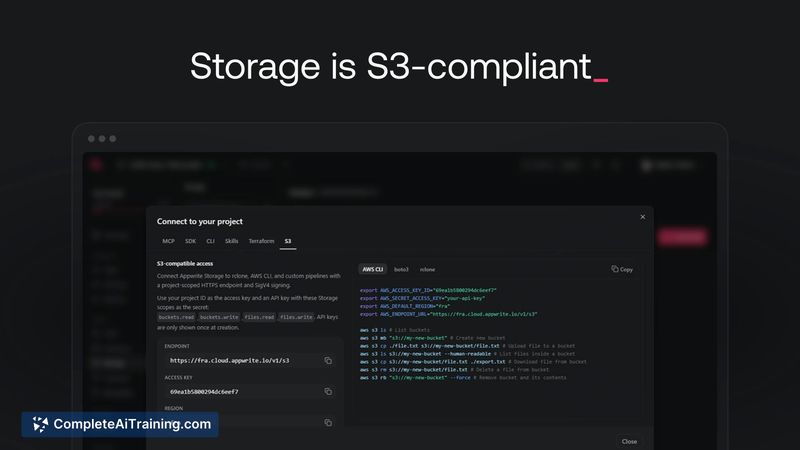
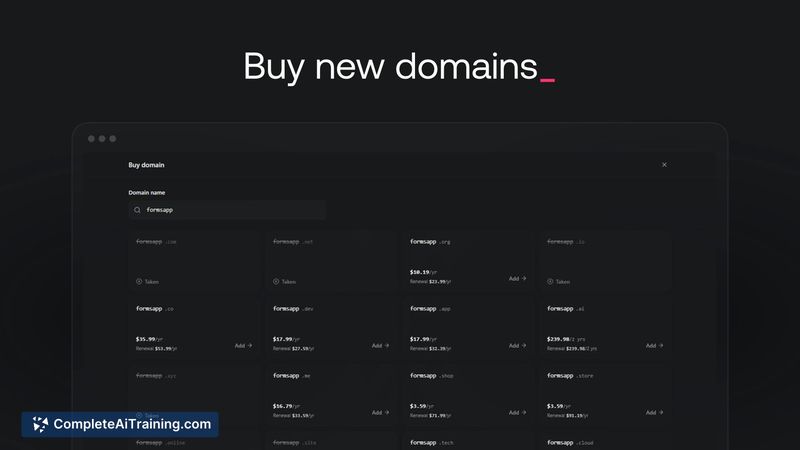
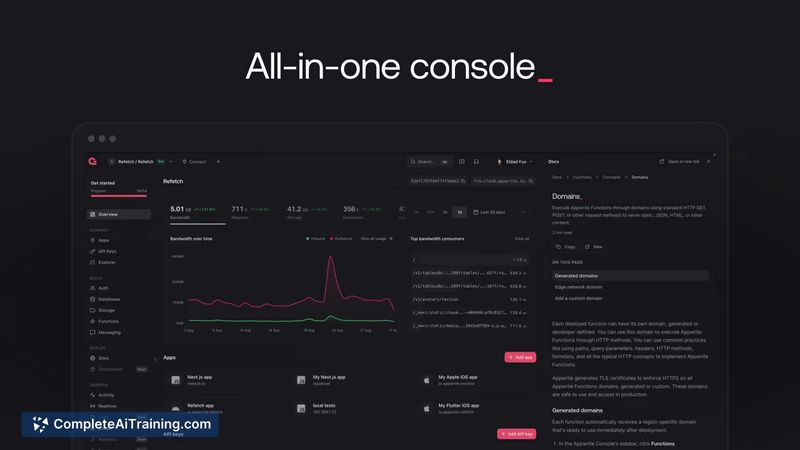
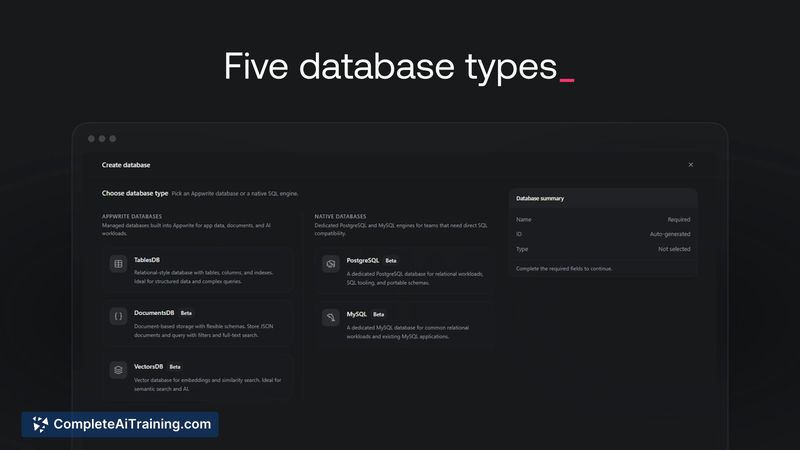
Appwrite 2.0 shifts the platform away from its previous all-in-one abstraction model toward direct protocol access. Developers can now connect to raw database engines, use the S3 API for storage, and run their own OAuth server from within a project. The release keeps existing projects intact-no migration is required-while adding infrastructure controls like a firewall, domain management, and a rebuilt Console with live project feeds.
Key Features
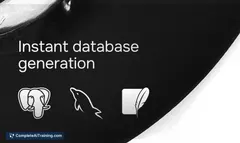
- Native PostgreSQL and MySQL engines. Each project gets a dedicated PostgreSQL 18 or MySQL 8.4 instance with its own hostname, credentials, and TLS. No Appwrite layer sits between the client and the database-connect with psql, any MySQL client, or standard drivers, and use extensions like PostGIS and pgvector.
- VectorsDB with built-in embeddings. A vector database for similarity search ships with HNSW indexes and supports cosine, dot product, and Euclidean distance. Embedding models run inside the platform, so a separate vector service isn't needed.
- S3-compatible Storage API. Existing Appwrite Storage buckets become addressable through the S3 protocol. The AWS CLI, AWS SDKs, rclone, and other S3-aware tools work directly against your buckets.
- OAuth 2.1 and OpenID Connect server. A project can act as an identity provider, letting other applications offer "Sign in with [your product]" flows.
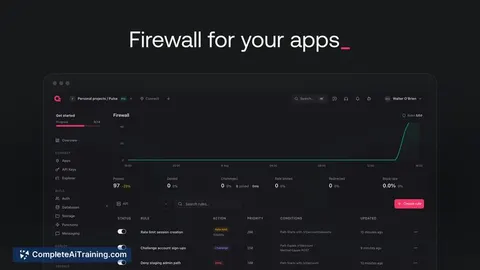
- Appwrite Firewall and Domains. Traffic can be denied, challenged, rate-limited, or redirected before it reaches your API, Functions, or Sites. The Console also lets you register or transfer domains, manage DNS, and get automatic TLS certificates.
Pricing and Value
Appwrite 2.0 runs on Appwrite Cloud with a Free plan available for starting projects. The Community Edition ships the complete 2.0 release for self-hosting. Pricing details beyond the Free plan are not defined in the reference content. Self-hosting at scale requires DevOps work-the team notes that a single machine can burn out under heavy usage and recommends Kubernetes or infrastructure scaling knowledge for production self-hosted deployments.
Pros
- Direct database access removes the abstraction tax; teams can use their own ORMs, migrations, and standard drivers.
- No migration is required for existing Appwrite projects-everything continues working as before.
- The S3-compatible API lets storage integrate with established backup and data pipeline tools.
- Hyperloop B, the new coroutine engine, delivers 7x throughput at 6x less memory on I/O-bound workloads.
- OAuth server and partner marketplace APIs open up paths for AI agents and vibe coding platforms to manage Appwrite resources.
Cons
- Teams that prefer a fully managed abstraction layer with no database administration may find the shift toward raw engine access adds operational responsibility.
- Self-hosting at production scale requires significant DevOps experience; the platform doesn't auto-scale on a single machine.
- Some community reviewers have reported cloud stability issues and a dashboard that lacks certain controls-though this feedback predates the 2.0 Console rebuild.
Appwrite 2.0 suits teams that have outgrown the platform's earlier abstractions and need direct protocol access to PostgreSQL, MySQL, and S3 without leaving the project. It's also built for workflows where coding agents interact with standard interfaces rather than proprietary SDKs. Developers who want a fully hands-off backend or who run small projects on a single self-hosted machine might find the operational demands higher than expected.
Jobs Appwrite 2.0 suits
We checked Appwrite 2.0 against 500+ jobs; these get the most out of it.
Alternatives to Appwrite 2.0
Other tools that do the same main job. Our AI compared Appwrite 2.0 with similar tools and kept the ones you could use instead.