AI tool
ChikitAI
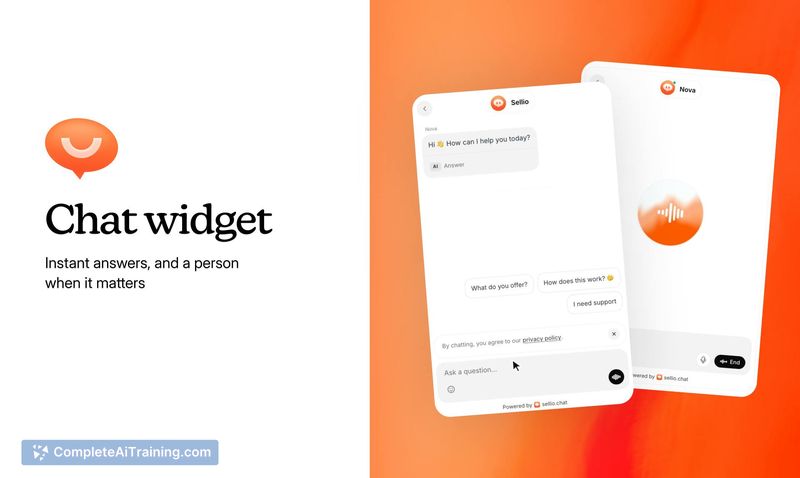
ChikitAI takes clinical-grade patient histories, triages urgency, and routes care using an agentic layer. The tool helps clinics in high-demand regions reduce administrative work for clinicians.
About ChikitAI
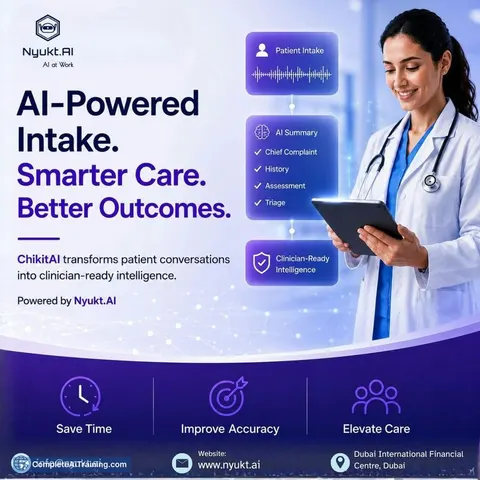
ChikitAI is a healthcare agentic AI developed by NyuktAI that automates patient intake and triage. It converses with patients in natural language to capture a clinical-grade history, assesses urgency, and routes them to the right care. The system runs on proprietary clinical large language models (LLMs) and, per the maker, increases patient intake capacity by 30% for healthcare providers.
Review
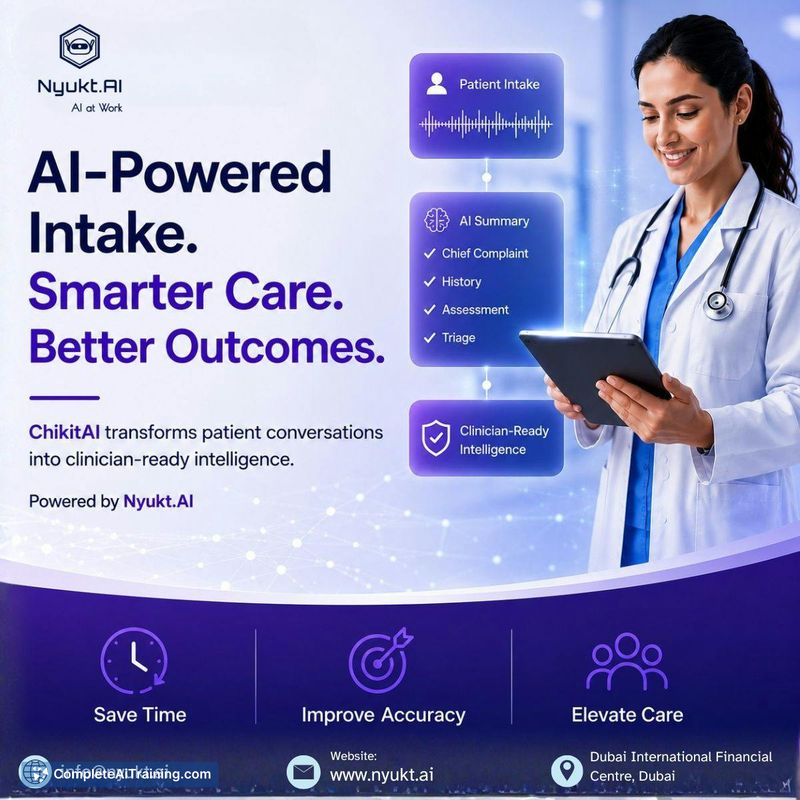

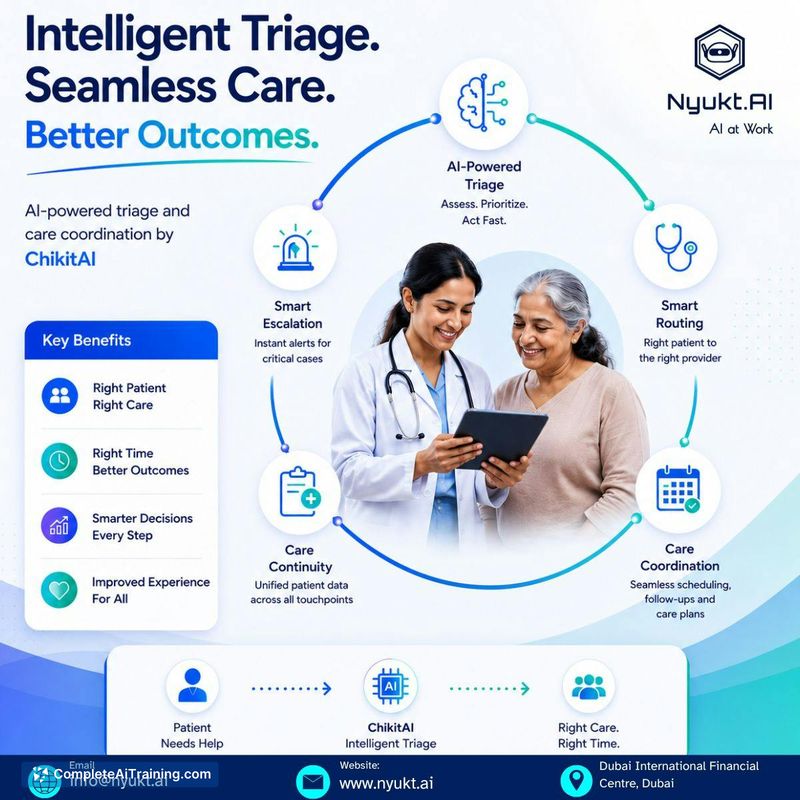
ChikitAI targets the administrative first mile of a clinical visit, where time and capacity often leak before a doctor ever speaks to the patient. It functions as a decision-support layer, not an autonomous diagnostic tool, and deliberately surfaces uncertainty rather than issuing a single definitive routing. This review looks at what the tool does today, where it stops, and who might find it useful.
Key Features
- Natural language intake that builds a structured clinical history, including symptom chronology and severity, without relying on static forms.
- Probabilistic triage that outputs a distribution across differentials with confidence scores (e.g., gastroenteritis 65% / appendicitis 20% / other 15%) and an exposed reasoning trace clinicians can challenge.
- Independent rule-based red-flag escalation for high-urgency presentations like chest pain or breathing difficulty, running separately from the probabilistic layer.
- Multilingual processing where the clinical LLMs convert a patient's own language directly into medical terminology, skipping an intermediate English translation step to preserve idiom and nuance.
- Deployment architecture that keeps patient data inside the provider's infrastructure; model instances train where data lives, and only model weights travel, not patient records.
Pricing and Value
Pricing for ChikitAI has not been publicly defined at launch. The Product Hunt listing notes free options and mentions Stripe for subscriptions, checkout, webhooks, and credit packs, which suggests a future paid structure, but no tiers or per-use costs are available yet.
Pros
- Shifts intake history-taking away from clinicians, returning time for direct patient care.
- Surfaces uncertainty through probability distributions, which can reduce the risk of anchoring on a single AI-suggested diagnosis.
- Multilingual support reasons in the patient's language, avoiding the information loss that typical translate-then-process pipelines introduce.
- Data remains within the healthcare provider's environment, addressing common privacy objections to third-party LLM use.
- Voice input integration makes the intake process accessible to patients who struggle with text forms for reasons beyond language.
Cons
- Clinicians must still re-interview patients; the structured output can inadvertently anchor reasoning, and the tool does not eliminate that cognitive risk.
- Scope is limited to intake and triage-it does not extend into diagnosis, treatment planning, or follow-up documentation.
- Not well suited for small practices or solo clinicians who lack the infrastructure to host independent LLM instances and manage the required data governance.
ChikitAI fits mid-sized to large healthcare organizations that see high patient volumes, have in-house IT resources to deploy model instances, and want to increase throughput without adding clinical staff. It addresses the intake bottleneck directly while keeping data governance local. For a small clinic with minimal technical support, the deployment and operational overhead likely outweigh the time saved.
Jobs ChikitAI suits
We checked ChikitAI against 500+ jobs; these get the most out of it.