AI tool
Deepmark AI
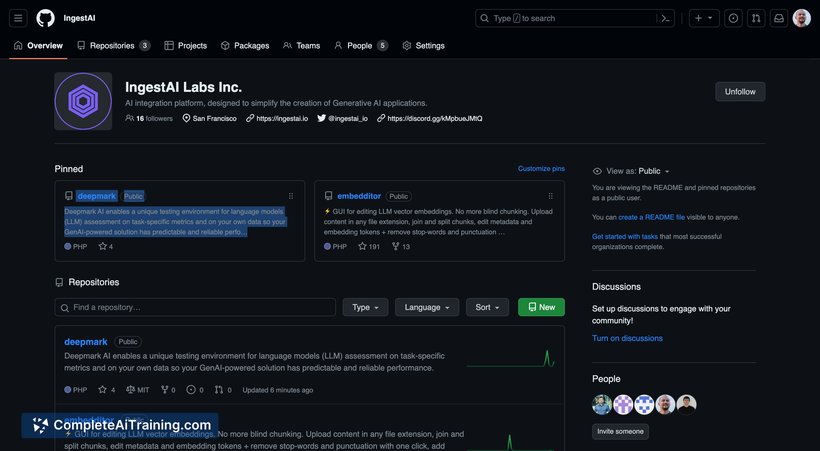
Deepmark AI benchmarks large language models on your own data, measuring accuracy, relevance, failure rate, and latency to ensure reliable, task-specific AI performance for your applications.
About Deepmark AI
Deepmark AI is a benchmarking tool designed to evaluate multiple large language models (LLMs) using task-specific metrics on your own dataset. It helps developers and organizations measure performance indicators such as accuracy, relevance, failure rate, and latency to ensure reliable AI-powered applications.
Review
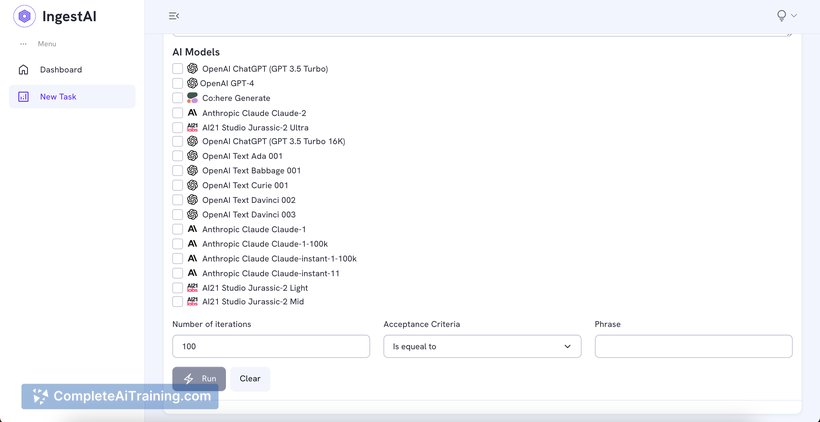
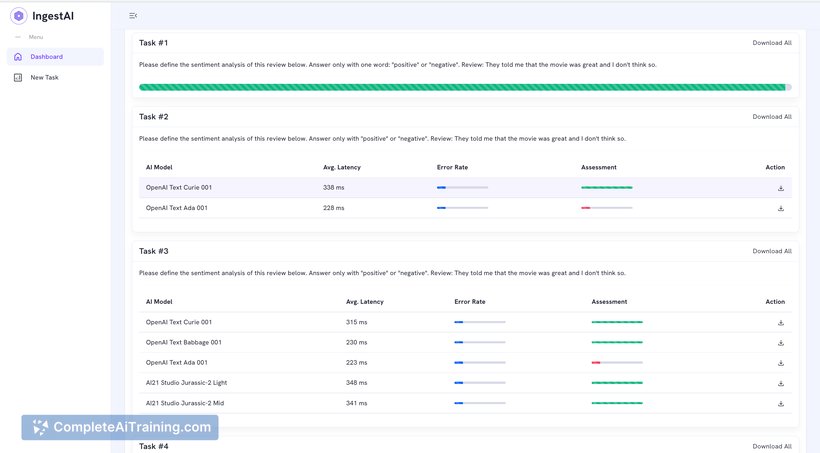
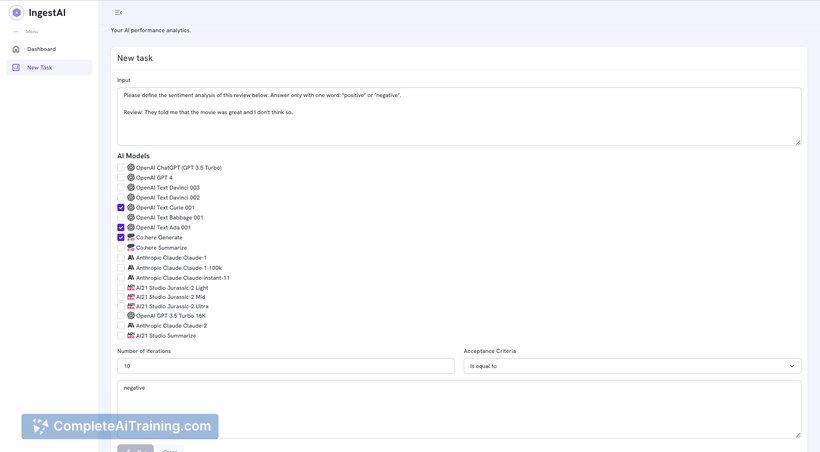
Deepmark AI offers a focused approach to testing and comparing various generative AI models against custom data, making it easier to identify the best fit for specific use cases. By providing detailed performance metrics, the tool supports informed decision-making for AI builders seeking predictable outcomes from LLMs.
Key Features
- Assessment of multiple LLMs on extrinsic metrics like accuracy, relevance, and latency
- Pre-built integration with leading Generative AI APIs including GPT-4, GPT-3.5 Turbo, Anthropic, Cohere, and AI21
- Evaluation of diverse tasks such as question answering, text classification, PII recognition, named entity recognition, summarization, and sentiment analysis
- Failure rate and cost analysis to balance performance with budget considerations
- Open-source availability with community support and active development roadmap
Pricing and Value
Deepmark AI is available as an open-source tool, allowing users to access and deploy it without direct licensing costs. This model provides significant value for developers and organizations looking for a customizable benchmarking solution without upfront expenses. The ability to test multiple models on proprietary data helps optimize AI investments by identifying the most suitable and cost-effective LLM for each project.
Pros
- Supports evaluation of multiple popular LLMs with a unified interface
- Focuses on task-specific metrics relevant to real-world AI applications
- Open source with active community engagement and transparency
- Includes cost and failure rate metrics alongside traditional accuracy measures
- Facilitates data-driven model selection to improve reliability
Cons
- Requires some technical expertise to set up and integrate with existing workflows
- Primarily aimed at developers and AI builders, which may limit accessibility for non-technical users
- Performance depends on quality and representativeness of the user’s own dataset
Overall, Deepmark AI is well suited for AI developers and teams seeking a practical way to benchmark and select large language models based on their unique data and requirements. It is particularly useful for organizations that prioritize reliability and cost-efficiency in deploying generative AI solutions. Users comfortable with open-source tools and API integrations will find it a valuable addition to their AI toolkit.
Jobs Deepmark AI suits
We checked Deepmark AI against 500+ jobs; these get the most out of it.